European convective storms cause EUR 2.2bn
Severe convective storms in July 2026 caused an estimated EUR 2.186 billion insurance industry loss across Germany, France, Switzerland, and Italy
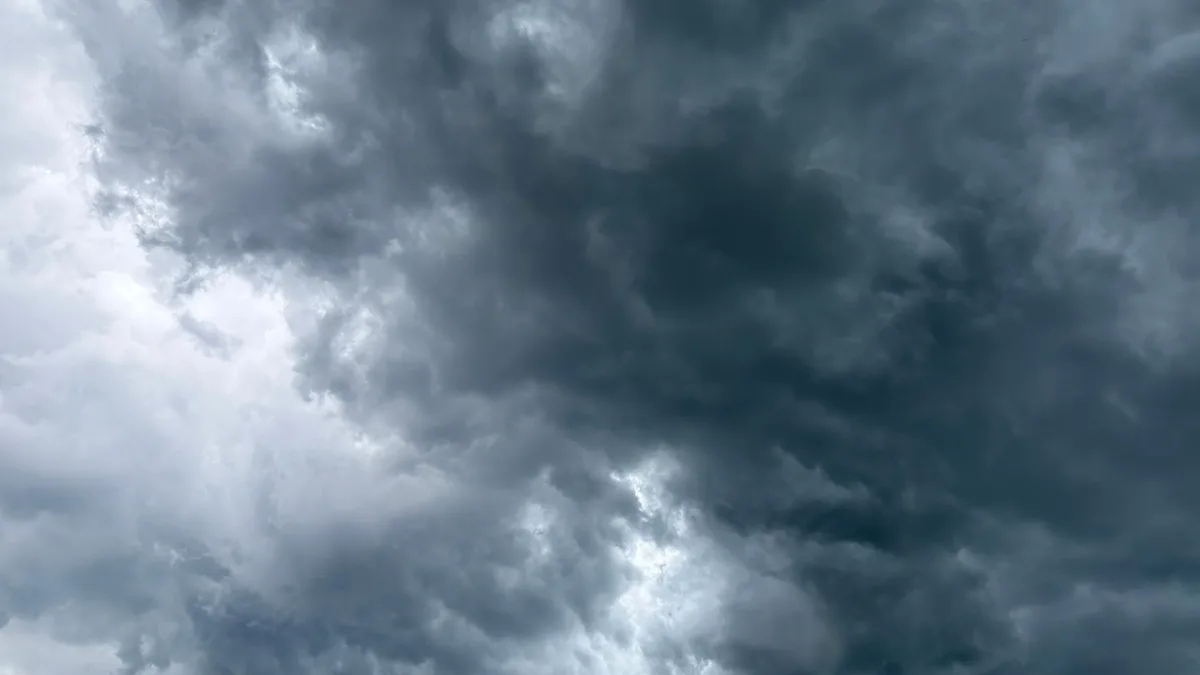
A wave of severe convective storms across Europe in July 2026 caused an insurance industry loss of EUR 2.186 billion. Catastrophe data aggregator PERILS AG provided this initial estimate, which covers property and motor insurance lines.
This outbreak, affecting Germany, France, Switzerland, and Italy between July 13 and 19, is now the largest loss from such a peril in Europe on PERILS' list. It also represents the largest insurance industry loss estimate the firm has issued for any European catastrophe since a series of windstorms in February 2022.
Event Dynamics and Damage
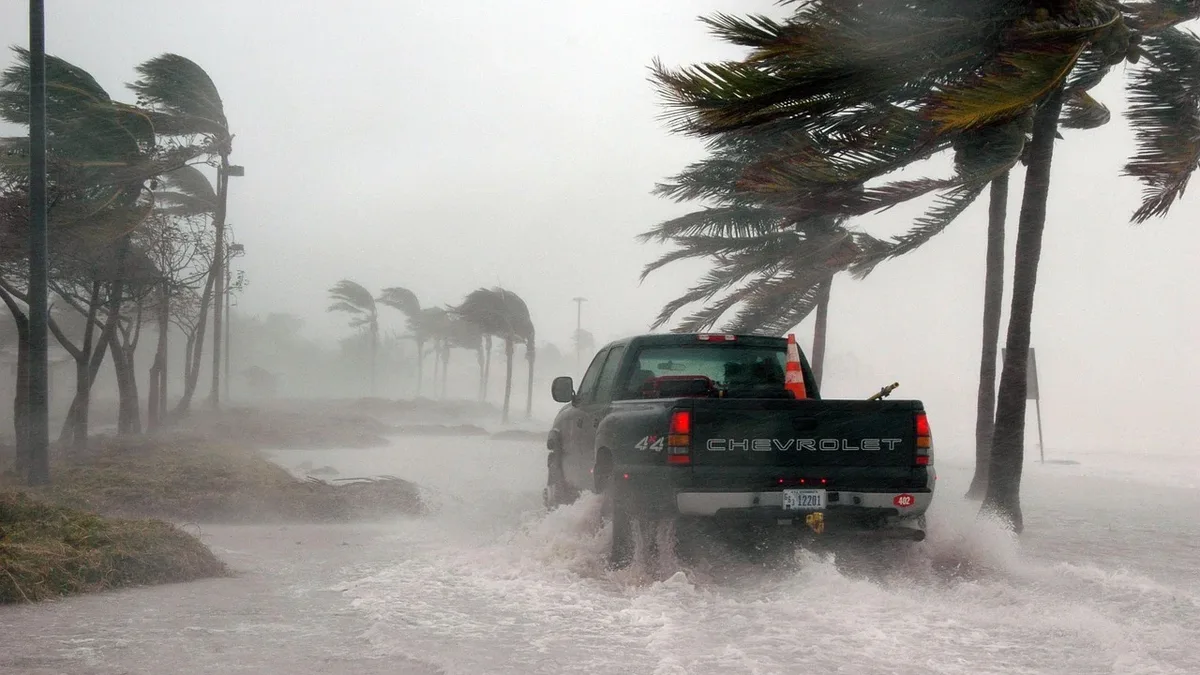
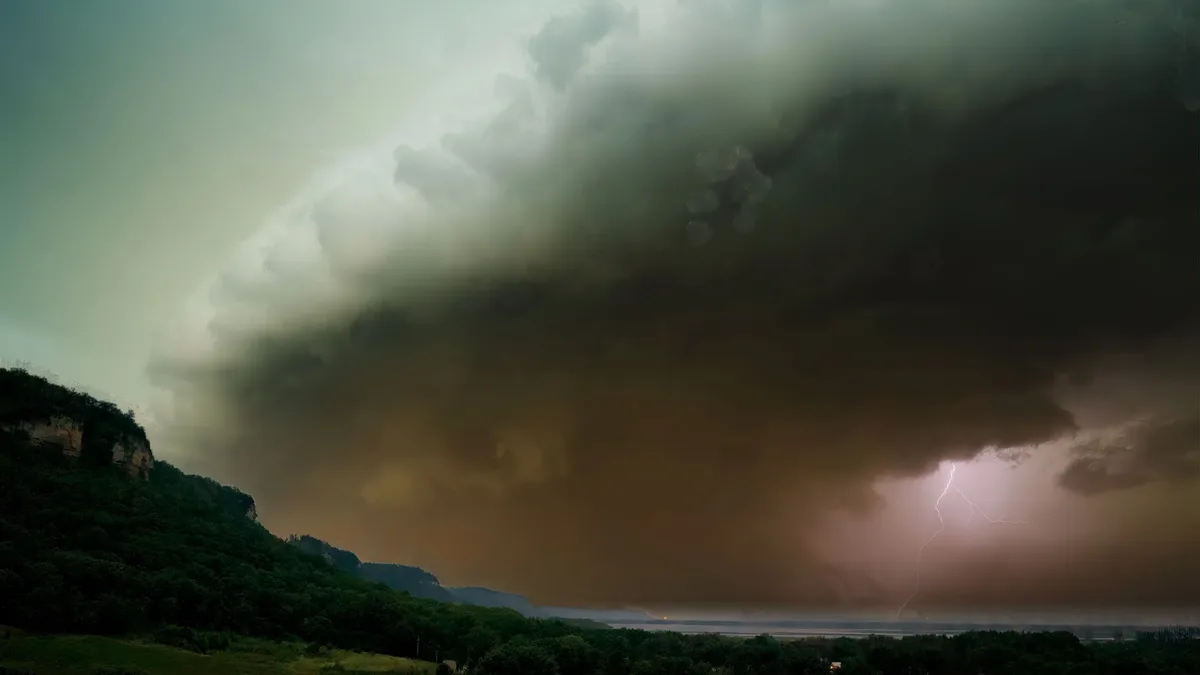
PERILS said the storms formed when cooler northeastern air interacted with hot air from a European heatwave. This created perfect conditions for convective storm cells. The event featured large hail, high wind gusts, and extreme rainfall.
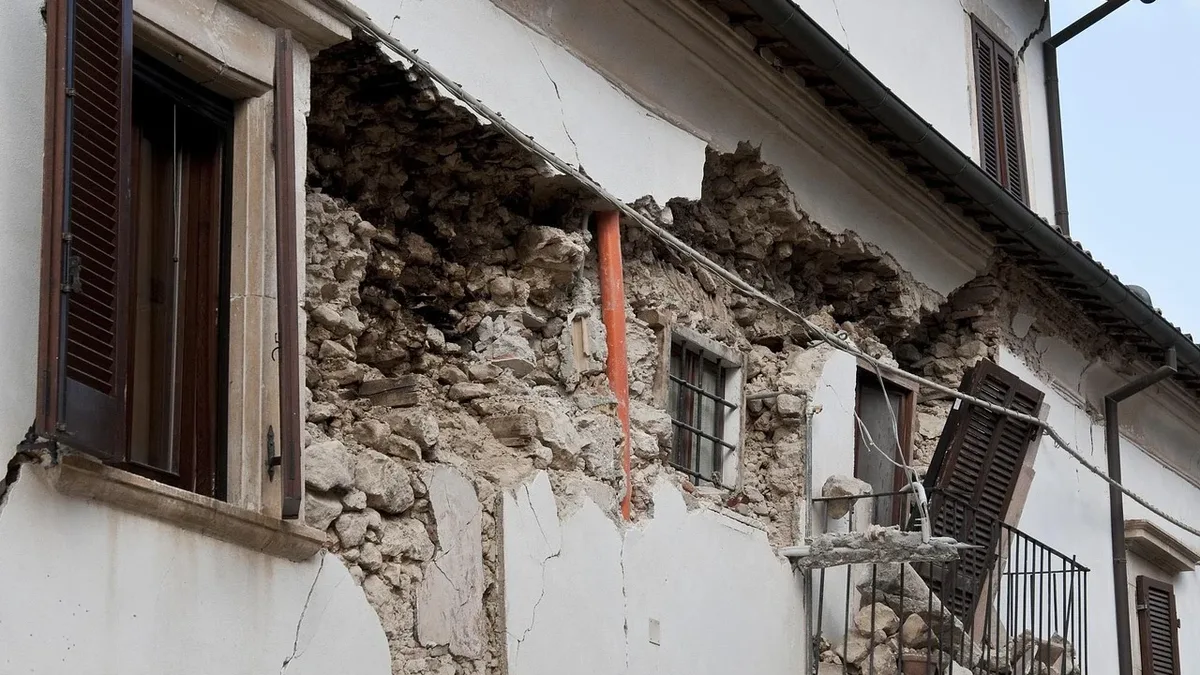
Northern Germany was hit first on July 13. The storms then spread to southern Germany, France, Switzerland, and northern Italy through July 19. The main damages came from high winds and flying debris impacting property. Large hailstones damaged vehicles and properties. Flash floods also damaged cellars and basements.
Luzi Hitz, Product Manager at PERILS, commented on the event's scale. He said that while multi-billion-euro SCS industry losses in Europe are not unheard of, the sheer magnitude of the loss is striking.
Industry Context and Perception
PERILS notes that these damage types are broadly covered by insurance in Europe, explaining the large industry loss. Hitz highlighted a potential perception issue. Unlike floods or earthquakes, severe convective storms rarely make international headlines as they are normally localised. He stated this could create a perception bias, potentially leading to an underestimation of the overall impact.
Hitz emphasized the need for systematic data collection from major outbreaks to determine the true extent of these weather events.
Climate Drivers and Future Outlook
Hitz explained what made the July 2026 event stand out. While the mix of hail, wind, and rain was typical, its lengthy duration, wide geographical spread, and intense individual cells were notable. He said these features are essentially driven by the steadily warming atmosphere. He concluded that therefore this will likely not be the last time we see a multi-billion SCS event in Europe.
The source notes that additional severe convective storm events affected parts of Europe in August 2026. France was struck by storms and a rare, strong tornado. Switzerland and Italy also suffered severe storms and damaging hail later that month.
Financial Market Exposure
A number of catastrophe bonds carry some exposure to severe thunderstorm and convective storm events in Europe. Other private insurance-linked securities, collateralised reinsurance deals, and sidecar structures also have exposure.
It is too early to know if this event or subsequent storms will impact any exposed insurance-linked securities structures. However, these losses underscore that convective storms are a significant catastrophic peril for the region's insurance industry. Using capital markets for reinsurance protection against outsized events is seen as sensible.