Hurricane Andrew's Legacy Reshaped Insurance
Hurricane Andrew made landfall in Florida on August 24, 1992, causing $15.5 billion in insured losses and triggering insurer failures.
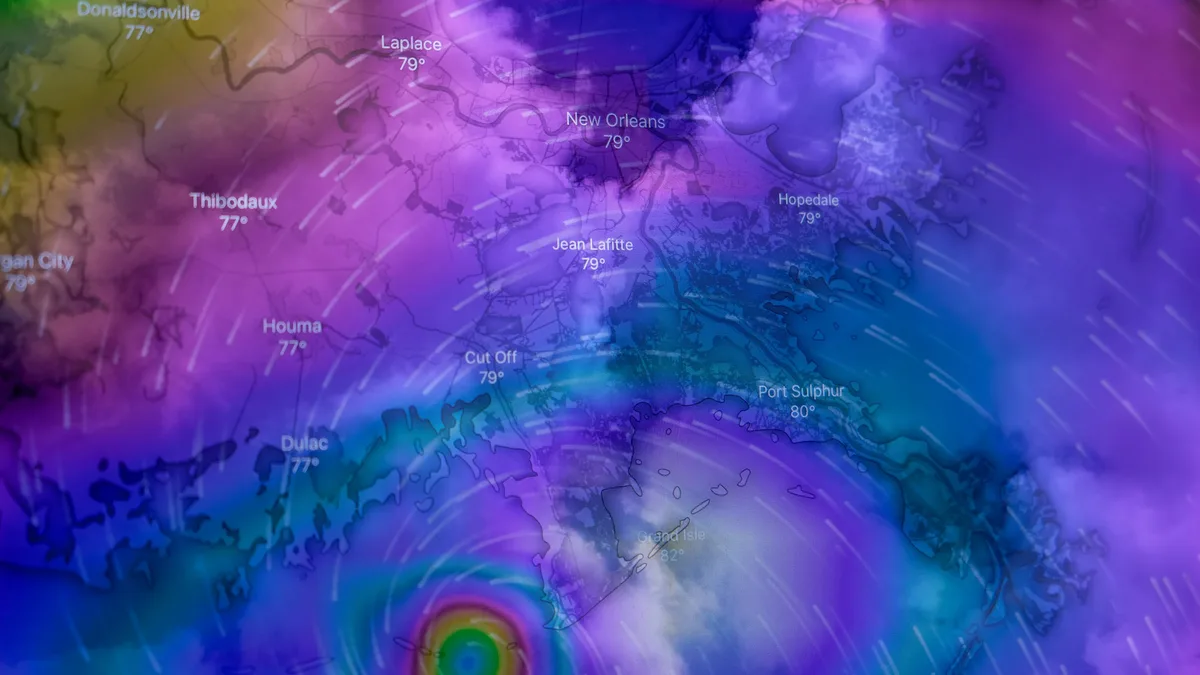
Hurricane Andrew struck near Homestead, Florida, as a Category 5 storm on the morning of August 24, 1992. It caused approximately $15.5 billion in insured losses and led to at least 11 insurer insolvencies, according to official sources.
The storm's sustained winds were originally reported at 165 miles per hour. A later corrected estimate put the peak gust at 177 mph. Its central pressure fell to 922 millibars. Andrew left about 250,000 people homeless and destroyed tens of thousands of homes.
The Path and Impact of the Storm
Andrew formed on August 16 and intensified rapidly. It first reached Category 5 on August 23. After weakening over the Bahamas, it strengthened again to Category 5 before landfall. The storm drove a surge of nearly 17 feet ashore. It made a second landfall in Louisiana as a Category 3 hurricane two days later.
The storm caused 65 deaths overall. This included 23 deaths in the United States and three in the Bahamas. The report states the toll would likely have been higher if Andrew had hit a more densely populated coast.
A Financial Reckoning and Industry Change
The financial shock was unprecedented. Andrew caused roughly $26.5 billion in economic damage. The $15.5 billion in insured losses made it the costliest U.S. Natural disaster to that point.
The insurance industry was unprepared. The report cites at least 16 insurer failures during 1992 and 1993, according to the Triple-I. Reinsurers absorbed heavy losses, and the market hardened. Andrew exposed how little the industry understood about the risk it carried.
It forced the adoption of catastrophe modeling. Within hours of landfall, modeling firm AIR estimated losses could exceed $13 billion. The industry's early projections were in the mid-single-digit billions. The accurate prediction changed boardroom attitudes toward modeling.
The storm also rebuilt Florida's insurance market. It led to the creation of the Florida Hurricane Catastrophe Fund and residual-market mechanisms. It prompted building-code reform that produced the statewide Florida Building Code. The event helped launch the modern Bermuda reinsurance market.
The Cost of a Modern Andrew
Running the same storm on the same track into today's South Florida would yield vastly higher losses. Florida's population has grown from about 13.6 million in 1992 to 23.46 million in 2025. The growth has been heaviest where Andrew struck.
Major catastrophe modelers now estimate a modern Andrew would produce between $70 and $100 billion in insured losses. The report provides the following estimates from different firms:
| Modeler | Estimated Insured Loss for a Modern Andrew |
|---|---|
| RMS and Verisk | Approximately $100 billion |
| Karen Clark & Company (KCC) | Approximately $70 billion |
A counterfactual event, with Andrew tracking 50 miles north to hit Miami directly, would result in insured losses exceeding $200 billion.
The report argues the storm's anniversary should serve as a stress test. It presents four enduring lessons for underwriters. First, loss estimates depend on accurate exposure data. Second, accumulation of risk across a portfolio is a silent danger. Third, pricing to average loss ignores growing tail risks. Fourth, model output must be translated into actionable decisions on underwriting and reinsurance.
The discipline is to ask if today's insurance book could absorb the storm we already know how to describe.