Storm Surge
| Definition | A rapid rise in sea level caused by a storm, primarily a tropical cyclone |
|---|---|
| Primary cause | Tropical cyclones (hurricanes, typhoons) |
| Typical height | 1 to 5 meters (can exceed 10 meters in extreme events) |
| Main danger | Rapid flooding of coastal areas |
| Key influencing factors | Storm intensity, forward speed, coastal topography, tide timing |
| Warning lead time | Usually hours to a few days |
| Primary protective action | Evacuation from the warned area |
Origin and history
Storm surge is a coastal flooding hazard with meteorological origins, not a human invention, so it has no single country of origin or date of creation. The phenomenon has been documented throughout recorded history wherever tropical cyclones or intense extratropical storms interact with coastlines. Ancient accounts from regions like the Bay of Bengal and the Gulf of Mexico describe catastrophic sea inundations consistent with storm surge. Scientific understanding and formal study of the hazard began to develop in the 20th century, particularly as meteorology advanced. The term "storm surge" itself entered common scientific usage in the mid-20th century to distinguish this wind-driven water rise from general tidal flooding. Its historical impact is evident in numerous major disasters, such as the 1970 Bhola cyclone surge, which remains one of the deadliest natural events on record.
What it is for
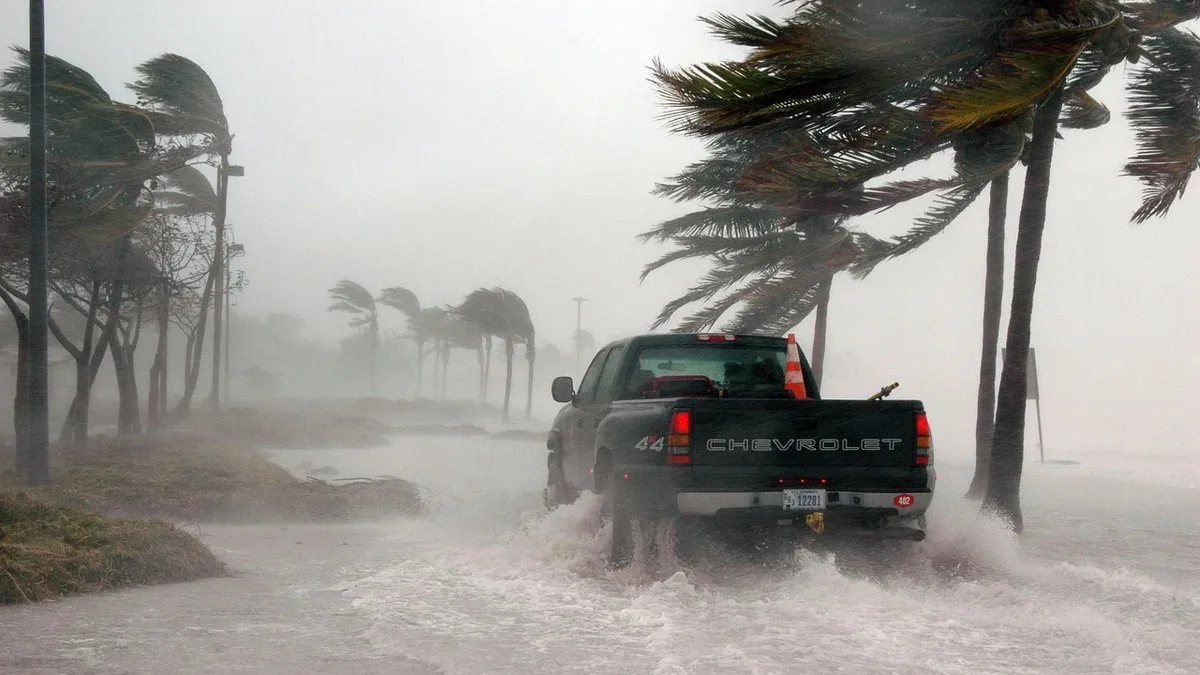
Storm surge is not a tool or product with an intended purpose; it is a destructive natural process resulting from specific atmospheric conditions. It occurs when strong onshore winds, typically from a tropical cyclone or severe storm, push ocean water toward the shoreline. This wind stress is combined with the effect of low atmospheric pressure at the storm's center, which allows the sea surface to rise slightly. The accumulating water is then funneled into shallow coastal areas and bays, where it cannot disperse, leading to a rapid rise in sea level above the predicted astronomical tide. The primary "function" of this process within the meteorological system is the transfer of energy and the equalization of pressure, but from a human perspective, it is solely a hazard. Its defining outcome is the inundation of normally dry land with saltwater, waves, and debris.
Pros and cons
As a natural hazard, storm surge possesses no advantages or benefits; its effects are overwhelmingly negative. The primary "pro" is a conceptual one for scientists, as studying surge dynamics improves forecasting models and understanding of coastal fluid dynamics. The overwhelming cons involve massive loss of life, displacement of populations, and long-term ecological damage to coastal habitats like marshes and mangroves. A common and catastrophic mistake is for residents to underestimate the surge's height and inland reach, often focusing only on wind speed, which leads to failed evacuations. People who regret their choice to not evacuate typically find themselves trapped in rapidly rising water that can overwhelm structures not designed for such flooding. The surge often carries dangerous debris and can contaminate freshwater supplies and agricultural land with saltwater for years. Recovery from surge damage is exceptionally slow and costly, often permanently altering community layouts and economies.
Who it suits
The term "suits" is inapplicable as storm surge is not a selected product or service; it is a hazard that impacts specific geographic and demographic groups. Coastal communities, especially those in low-lying areas or with subsiding land, are most susceptible to its effects. Regions with broad, shallow continental shelves, such as the Gulf of Mexico and the Bay of Bengal, are particularly prone to higher surge amplification. Populations with limited resources for robust coastal defense infrastructure or comprehensive warning systems are often the most vulnerable. It disproportionately affects those who cannot easily evacuate due to lack of transportation, mobility issues, or institutional constraints, such as in hospitals or prisons. Ultimately, no one is suited for experiencing a storm surge, and preparedness hinges on understanding one's location within designated evacuation zones and heeding official warnings.
Latest Storm Surge news
Latest reporting
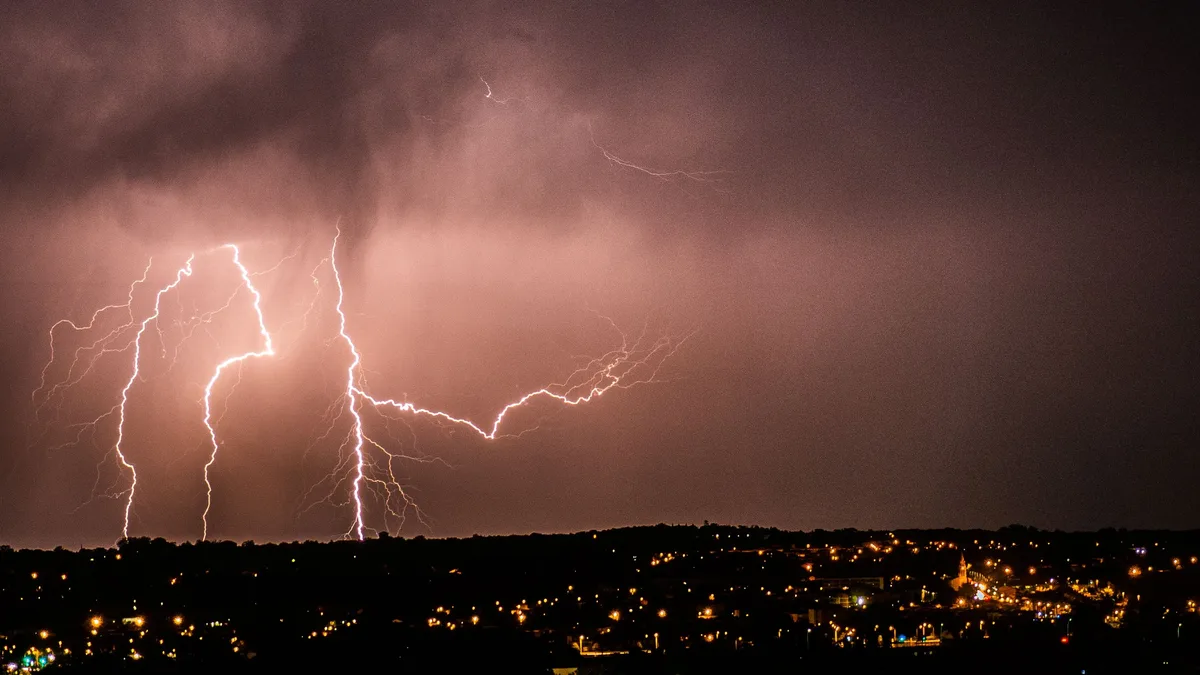
Midwest Faces Marginal Severe Thunderstorm Risk This Evening
The Storm Prediction Center issued a marginal risk for severe thunderstorms across parts of the Midwest and Southeast on November 11, 2026.
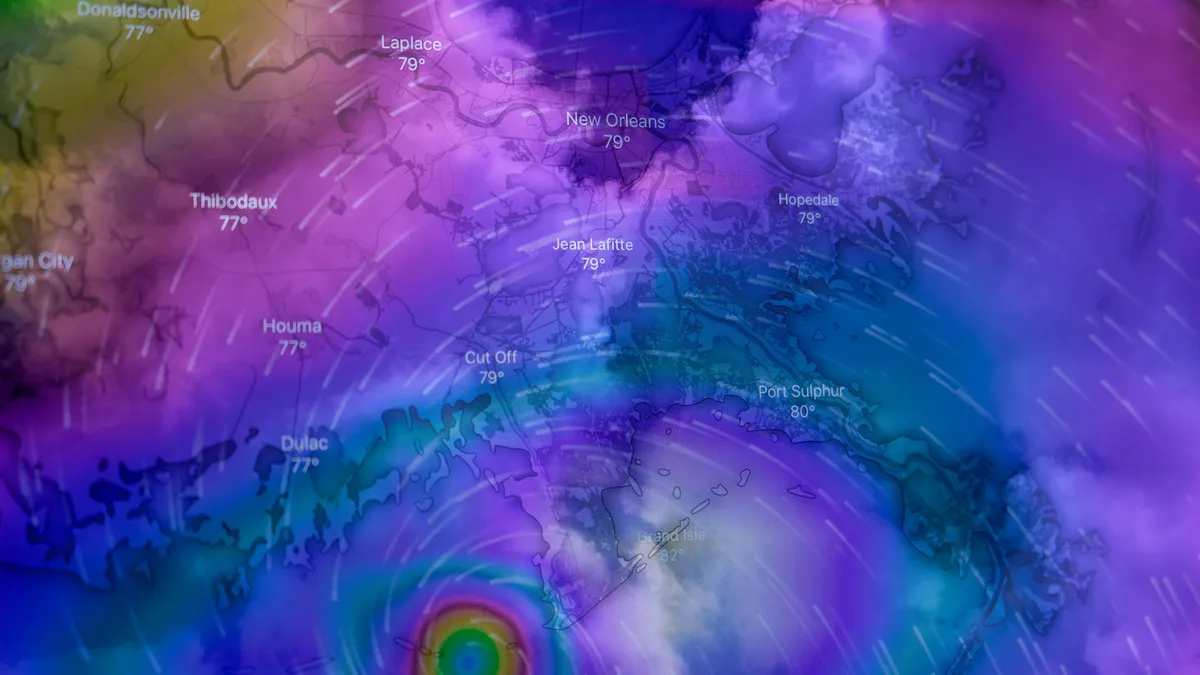
Subtropical Storm Josephine Intensifies Toward Hurricane Force
Subtropical Storm Josephine is rapidly intensifying into a hurricane-force extratropical cyclone, bringing gale-force winds, dangerous surf, and...
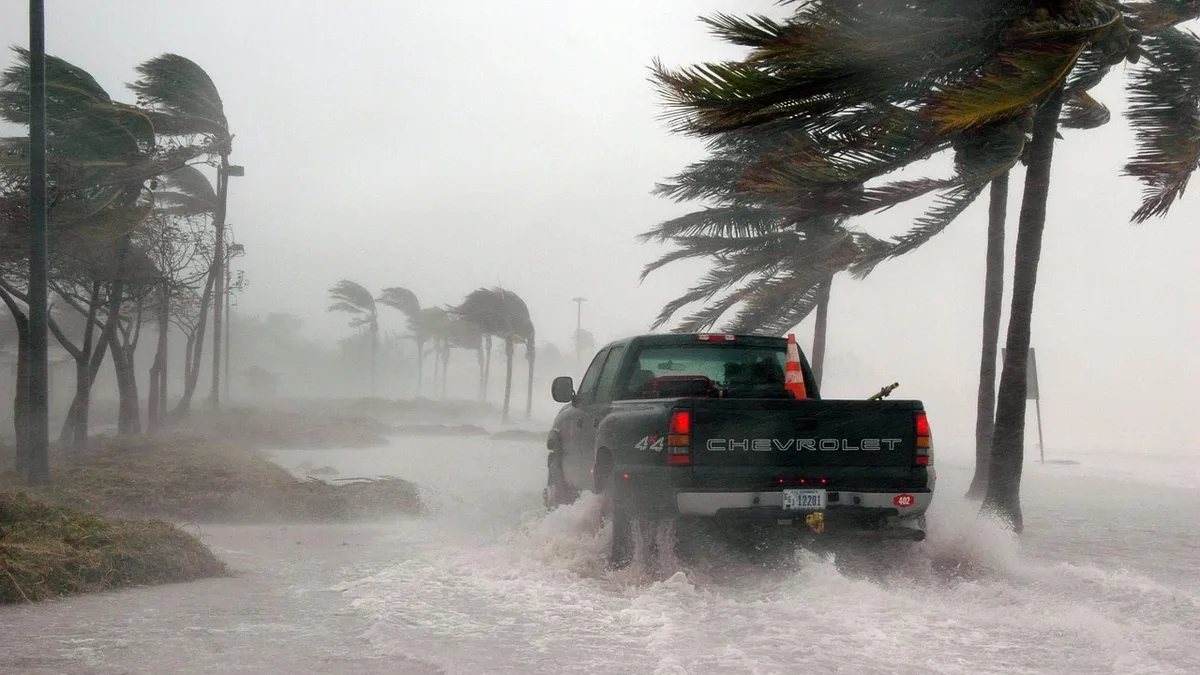
Subtropical Storm Josephine Brings Coastal Flooding and Gale Winds
Subtropical Storm Josephine, located 245 miles south of Nantucket with 65 mph winds, is forecast to intensify into a post-tropical cyclone with...

Severe convective storms set 2026 loss records in Europe and Canada
PERILS AG raised its July 2026 European convective storm loss estimate to €2.806 billion, a 28% increase. CatIQ increased its Ontario storm loss...
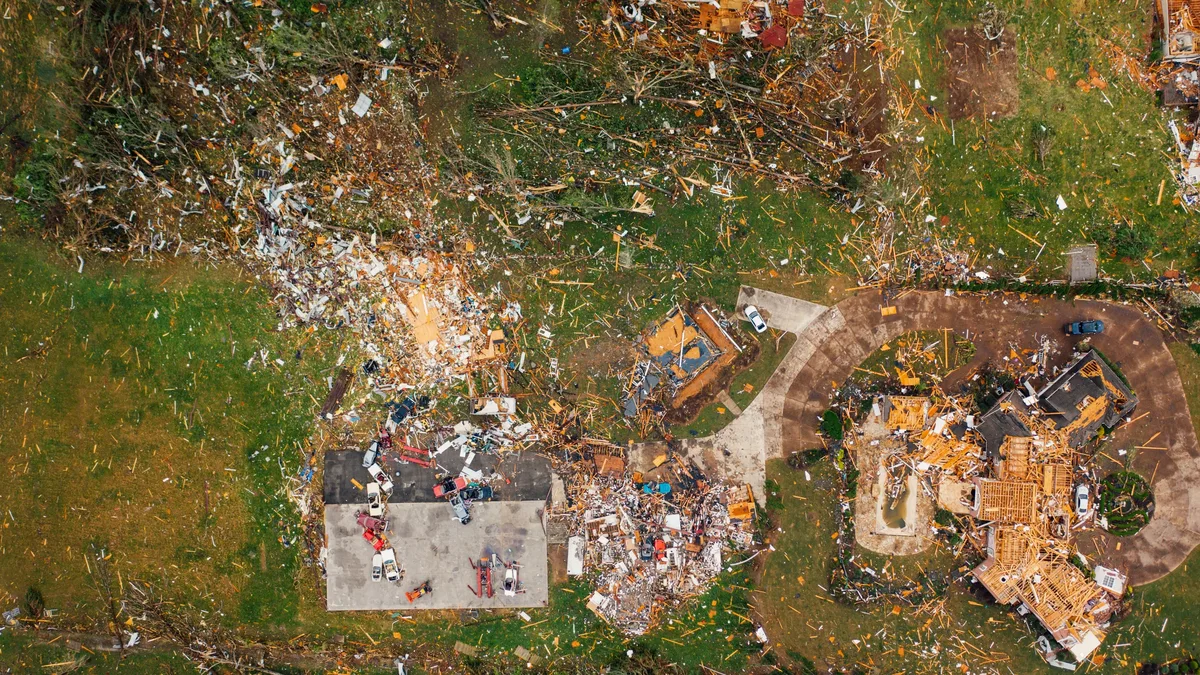
Raphaela storm is Europe's costliest convective storm on record
The severe convective storm 'Raphaela' caused €3.296 billion in insured losses across western Europe from August 26-28, 2026, driven by large hail...
Typhoon Champi Hits Guam as Category 5 Storm
Typhoon Champi intensified to a Category 5 super typhoon after passing south of Guam, causing widespread power and water outages.