Cyclone Akvan Triggers Mass Evacuations Across Odisha
Cyclone Akvan made landfall in Odisha, India, prompting the evacuation of over 300,000 people to prepared shelters with no initial reports of deaths or major damage.
More than 300,000 people were evacuated in Odisha, India, following Cyclone Akvan's landfall near Gopalpur on November 20, 2026. The storm, which weakened upon arrival, brought sustained winds of 70-80 kmph with gusts up to 90 kmph. Authorities moved residents from vulnerable coastal areas to 9,341 prepared cyclone shelters, with Ganjam district accounting for nearly half of those displaced. By 9:00 UTC that day, officials confirmed the large-scale relocation was complete.
Operational Response and Infrastructure
The India Meteorological Department reported the landfall process was completed by 11:20 am. In response to the cyclone, authorities canceled 47 trains and rescheduled 28 others across Odisha. Of the thousands of shelters readied, 2,623 were immediately operational. Educational institutions, beaches, and major tourist sites were closed as a precautionary measure. The state government also moved residents from 941 landslide-prone villages across six districts.
A significant relief force was mobilized. The operational deployment included the following teams:
| Agency/Team Type | Number of Teams Deployed |
|---|---|
| ODRAF | 60 |
| NDRF | 14 |
| Fire Service | 216 |
| OFDC Tree-Cutting | 128 |
| Fire Service (Standby) | 28 |
Additionally, 17 satellite phones and mobile communications units were arranged to maintain contact.
Relief Operations and Safety Outcomes
Initial assessments reported no deaths or major damage from the cyclone. Revenue and Disaster Management Minister Suresh Pujari confirmed this outcome after a review meeting. The relief effort also focused on vulnerable groups. Over 4,000 pregnant women were shifted to safe shelters ahead of the storm, resulting in the birth of approximately 1,450 babies within those facilities.
Chief Minister Mohan Charan Majhi led the preparedness efforts with a zero-casualty target. Senior officials, including Chief Secretary Anu Garg and Special Relief Commissioner Rajesh Pravakar Patil, were directly involved in coordinating the response.
Coastal and Inland Impacts
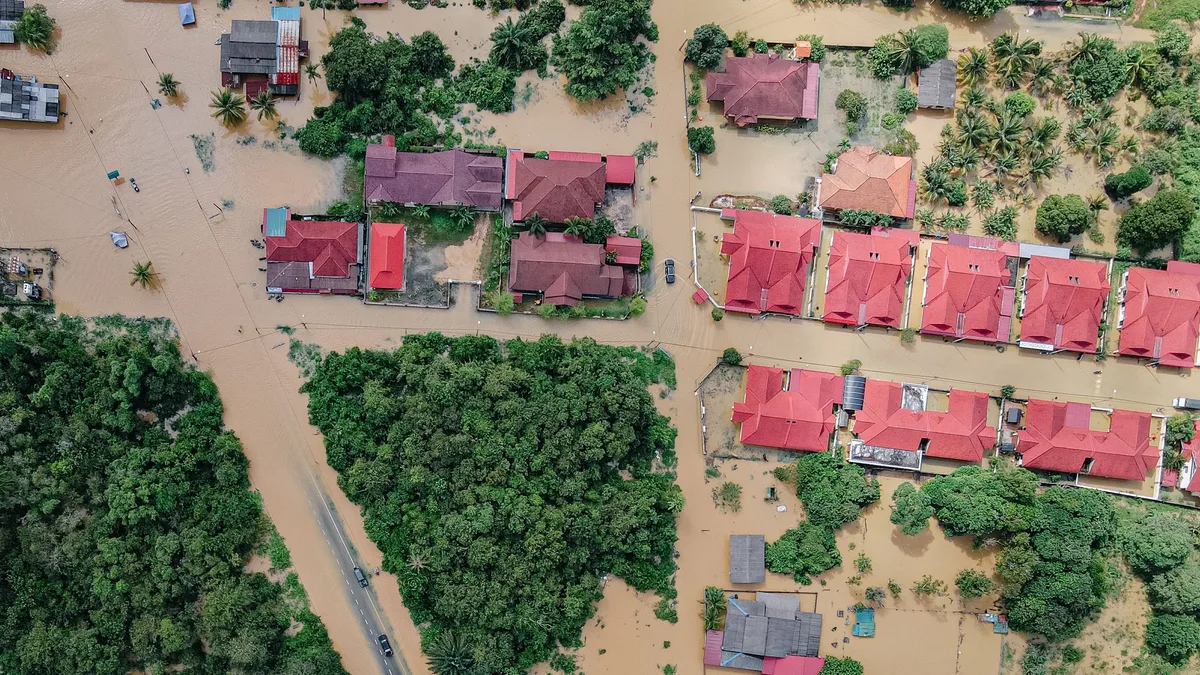
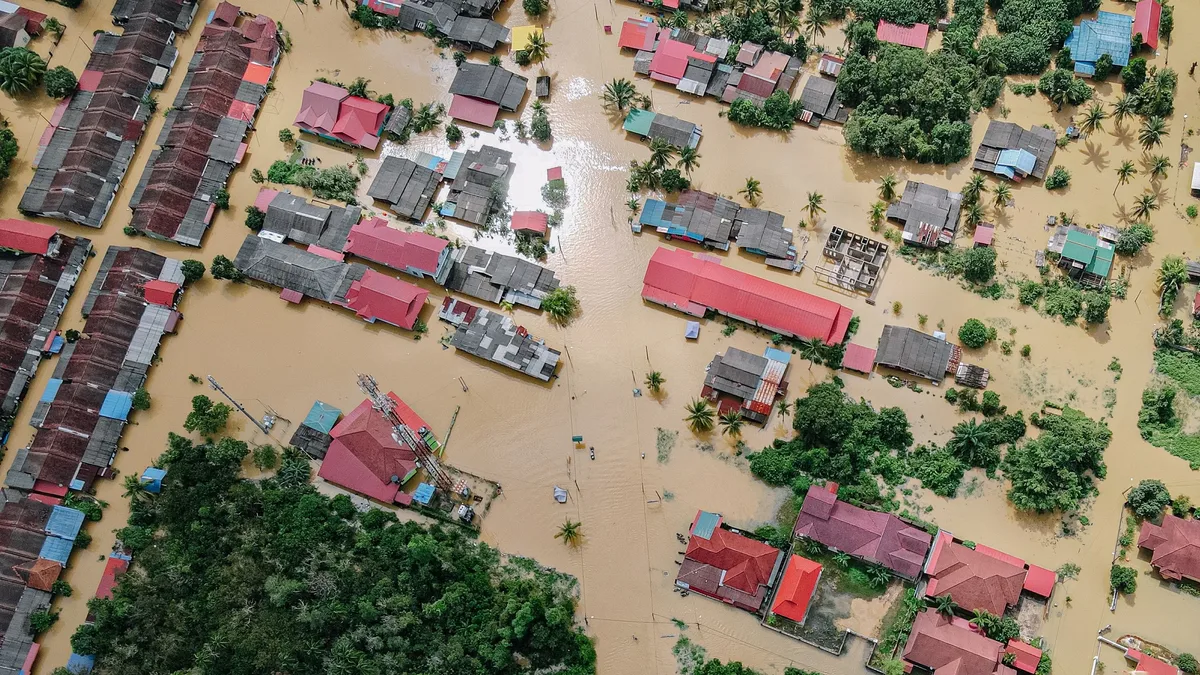
Heavy rainfall affected 10 districts, including Bhadrak, Cuttack, Ganjam, and Puri. The downpour led to localized flooding. Odisha Chief Secretary Anu Garg said: "Roads were inundated in parts of Berhampur and Digapahandi in Ganjam district, where teams were pumping out floodwater." Bus services in Ganjam district remained suspended on Friday.
The Indian Coast Guard coordinated the safe return of stranded Andhra Pradesh fishermen to Ganjam. An official from Andhra Pradesh noted the storm had produced minimal impacts in that state. Meanwhile, river systems like the Rushikulya and Bahuda were monitored, but no major disruption was reported.
Ongoing Weather Threats and Monitoring
As the system weakened into a deep depression, the India Meteorological Department warned of a continued moderate flash-flood risk across parts of Odisha, Gangetic West Bengal, and Jharkhand for the following 24 hours. In Odisha, this risk area encompassed 12 districts. Squally winds and very rough seas were forecast to gradually improve. Fishermen were advised to avoid parts of the Bay of Bengal through November 21. Heavy rainfall was also forecast for parts of Chhattisgarh as the remnant circulation moved north and northeast.