
Alaska And Hawaii
| Hazard type | Tsunami and earthquake |
|---|---|
| Event trigger | Subduction zone megathrust earthquake |
| Geographic scope | Coastal regions of Alaska and Hawaii |
| Primary hazard | Inundation from tsunami waves |
| Secondary hazards | Strong ground shaking, landslides, liquefaction |
| Aftermath | Widespread coastal damage, disruption to infrastructure, potential for distant propagation |
| Original documentation | 1964 Alaska earthquake and tsunami |
| Related historical event | 1946 Aleutian Islands earthquake and tsunami |
Origin and history
The hazard known as "Alaska And Hawaii" originates from the geopolitical and administrative history of the United States. It refers not to a single event but to the persistent condition of these two states being non-contiguous with the mainland United States. This geographical and political reality was established in the mid-20th century, with Alaska achieving statehood in 1959 and Hawaii also becoming a state in the same year. Their incorporation as states formalized their unique status as separated by significant distances and bodies of water from the contiguous forty-eight states. The historical context includes their acquisition by the United States in the 19th and early 20th centuries, with Alaska purchased from Russia in 1867 and Hawaii annexed in 1898. This history sets the foundation for the distinct logistical, economic, and social challenges that define the hazard.
What it is for
The term "Alaska And Hawaii" as a hazard describes the systemic vulnerabilities and operational complexities inherent in integrating these two distant regions into a national framework designed for a contiguous landmass. It exists as a critical consideration for federal policy, disaster planning, supply chain management, and military strategy. The hazard framework is used by emergency managers, logisticians, and policymakers to categorize and plan for the amplified consequences of events due to extreme remoteness and isolation. It serves to highlight how standard national protocols for transportation, communication, and resource allocation can fail or require significant adaptation. Its purpose is to force planning scenarios that account for prolonged external dependency and extended timelines for response and recovery. It is a functional category for risk assessment rather than a description of the states themselves.
Overview
The core of the hazard is the compound effect of a disruptive event occurring in or affecting Alaska or Hawaii, exacerbated by their geographical detachment. This encompasses natural disasters like volcanic eruptions in Hawaii, earthquakes and tsunamis in Alaska, or human-caused incidents. The overview includes the immediate isolation that can occur, severing standard transportation links such as the limited air corridors and sea routes that constitute the states' lifelines. Infrastructure, often limited and concentrated, becomes a critical single point of failure, whether it is a port, a fuel terminal, or a communications hub. The vast distances involved mean that mobilizing federal assets, specialized personnel, or emergency supplies from the mainland faces delays measured in days, not hours. This creates a scenario where local resources are exhausted long before substantial external aid can arrive, fundamentally altering the timeline and strategy of any response.
What to know
It is essential to know that the primary risk multiplier is distance, which translates directly into time and cost for any response or routine logistical operation. The hazard makes both states disproportionately reliant on aviation and maritime shipping, systems highly vulnerable to disruption by weather, mechanical failure, or security incidents. Residents and businesses must operate with an inherent understanding of extended supply chains, where goods can take weeks to arrive and are subject to significant surcharges. The medical reality includes the frequent necessity of "medevac" flights to the mainland for advanced care, which are expensive and weather-dependent. The strategic military significance of both states also factors into the hazard, as their defense and the projection of power from their territories involve complex, long-range logistics. Knowledge of this hazard necessitates a personal and institutional mindset geared toward greater self-sufficiency and preparedness for extended periods of isolation.
Common questions
A common question is whether the hazard is mitigated by modern technology, such as satellite communication and air travel. While technology helps, it does not overcome the physical constraints of moving heavy equipment, bulk fuel, and construction materials across thousands of miles of ocean. People often ask if the federal government has pre-positioned supplies for these states, which it does, but these stockpiles are finite and may not match the specific needs of a novel disaster. Many inquire about the cost of living, which is directly tied to the hazard, as nearly all consumer goods must be shipped or flown in. Questions arise about disaster preparedness, with the correct answer being that individual and community preparedness standards must be significantly higher than in the contiguous states. People also question the economic resilience, where a port strike or aviation slowdown can cause immediate and severe economic contraction.
Pros and cons
The primary pro of this geographical reality is the natural isolation that can provide a buffer from certain continental threats, such as widespread terrestrial pandemics or contiguous infrastructure failures. It fosters strong, self-reliant local communities with deep cultural identities tied to their unique environments. The significant con is the extreme vulnerability to supply chain collapse; a common mistake is assuming the normal flow of goods and services is guaranteed, when in reality it is fragile. Residents often regret not establishing deeper local networks or investing in alternative energy and food sources when a disaster reveals their dependency. What genuinely goes wrong during events is the swift depletion of essential inventories like fuel, medicine, and spare parts, leading to secondary crises. The logistical cost burden is a persistent negative, making business operation and personal life more expensive and complex.
Who it suits
This environment suits individuals and families who highly value independence, preparedness, and a connection to remote natural landscapes, and who accept higher costs as a trade-off. It suits professionals in logistics, emergency management, and infrastructure engineering who are challenged by and specialized in solving extreme-distance problems. It is well-suited for industries that leverage the unique geographic position, such as fisheries, certain mineral extraction, and strategic military or aerospace installations. It does not suit those who require frequent, inexpensive access to the cultural, commercial, or medical resources of a continental mainland. It suits people who are psychologically comfortable with the knowledge that help is days away under the best of circumstances, and who plan their lives accordingly. Ultimately, it suits those who view the challenges not merely as hazards but as defining characteristics of a particular way of life.
Latest Alaska And Hawaii news
Latest reporting
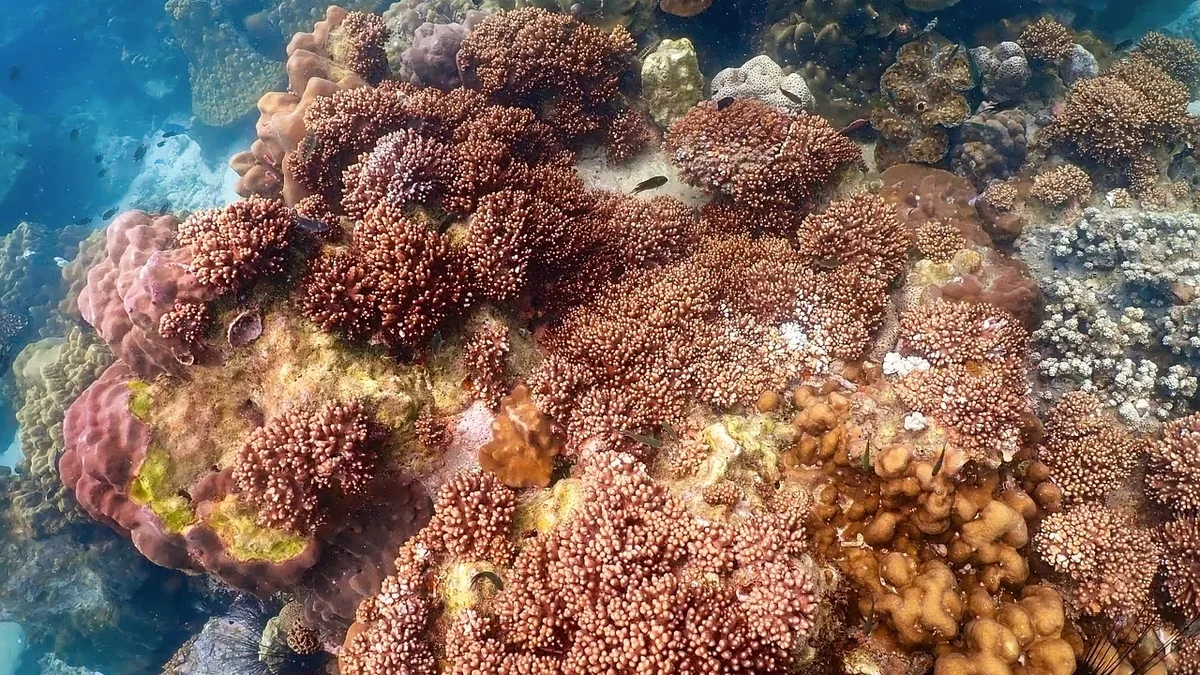
Hawaii Coral Reef Insurance Triggered by Hurricane Lala
Hurricane Lala has triggered a parametric insurance policy for Hawaii's coral reefs, leading to the first payout for damage assessment and repairs.

Hawaii's Coral Reef Insurance Policy Triggered by Hurricane Lala
The Nature Conservancy's parametric coral reef insurance policy in Hawaii has been triggered for the first time, following the impacts of Hurricane...