Tornado damages school and homes in Marsala, Italy
A tornado struck western Sicily, damaging a school and homes and injuring several people, while Hurricane Simon's offshore track avoided triggering a major catastrophe bond payout.
A powerful tornado caused material damage and minor injuries in western Sicily, forcing school evacuations and disrupting transport. Meanwhile, analysis indicates Hurricane Simon's path stayed just outside the parametric zones of a major catastrophe bond, averting a financial trigger.
Tornado in Western Sicily
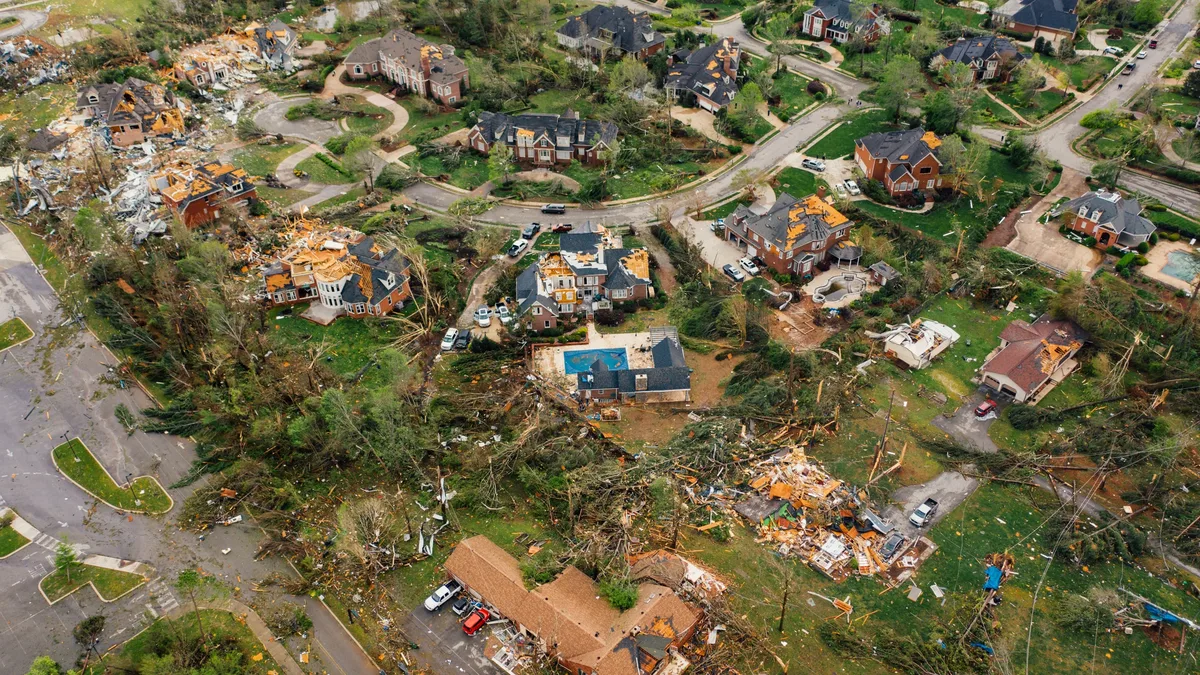
A large tornado struck Marsala and Petrosino in western Sicily around 10:00 LT on October 9, 2026, damaging infrastructure and injuring several people. The Alcide De Gasperi school complex in Contrada Terrenove sustained extensive structural damage, with window and door frames torn out and glass broken.
Hundreds of students were evacuated from the school. Initial reports from Sicily Regional Civil Protection indicated about 300 evacuations and eight minor injuries, but later accounts provided different figures. The school principal stated 273 children were inside and six sustained minor injuries. ASP Trapani, the local health authority, said nine people-four children and five adults-were treated at Paolo Borsellino Hospital for cuts and abrasions. Damage extended beyond the school. Homes were damaged, trees and electricity poles were brought down, and parked vehicles were overturned, including one thrown into a ravine in Petrosino. The tornado also struck a municipal waste-collection center. Mayor Giacomo Anastasi reported four minor injuries and severe damage to several homes in Petrosino, though it was unclear if these were included in the hospital total. Road and rail traffic was severely interrupted, with Rete Ferroviaria Italiana suspending service between Trapani and Castelvetrano due to weather-related damage.
Hurricane Simon's Near-Miss
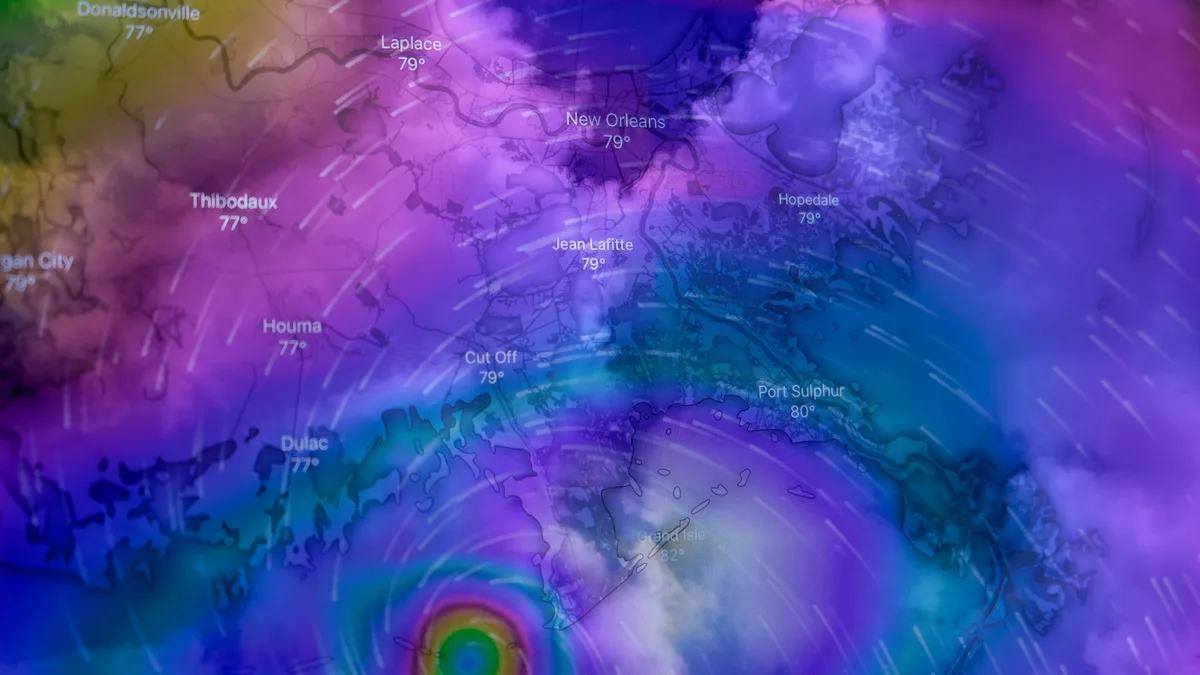
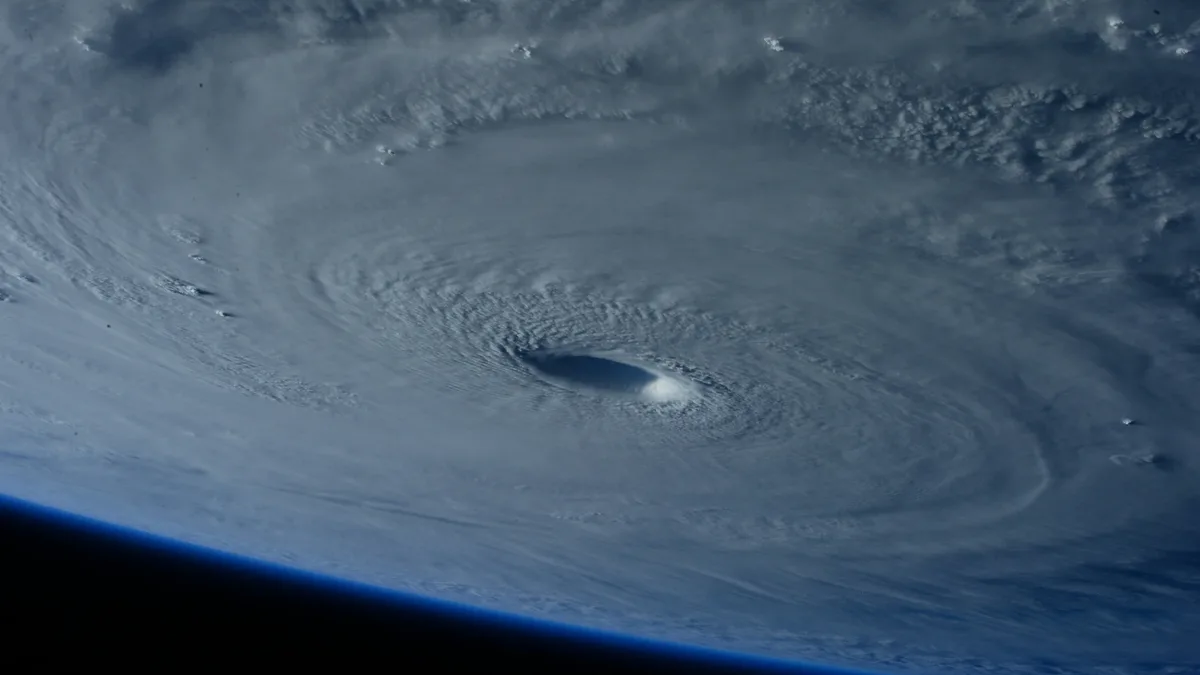
Hurricane Simon's shifting track remained offshore of key parametric trigger zones, preventing a payout from a $175 million catastrophe bond. Analysis by Isacco Loconte, an insurance-linked securities investment specialist, found the hurricane's minimum central pressure deepened sufficiently but its path stayed just outside the designated zones.
Loconte interpolated the storm's path using National Hurricane Center data. "Based on preliminary NHC track data, the bond looks safe from a trigger event," he explained. The hurricane's minimum central pressure entered the critical threshold below 937 millibars at four points between October 10 and 11. For the zones it approached, the pressure would have needed to drop to 932 millibars or lower to activate a payout. Simon's pressure deepened to 928 millibars as it neared the zone, but the storm's track shifted slightly west. It moved parallel to the coast while a weakening trend began, keeping all high-intensity points at a safe distance from the trigger boxes. Had the storm continued on its original forecast path, it could have been very close to activating a 25% payout of the bond's principal. Simon is now expected to make landfall further up Mexico's west coast in a weakened state, eliminating any remaining risk to the catastrophe bond parameters.