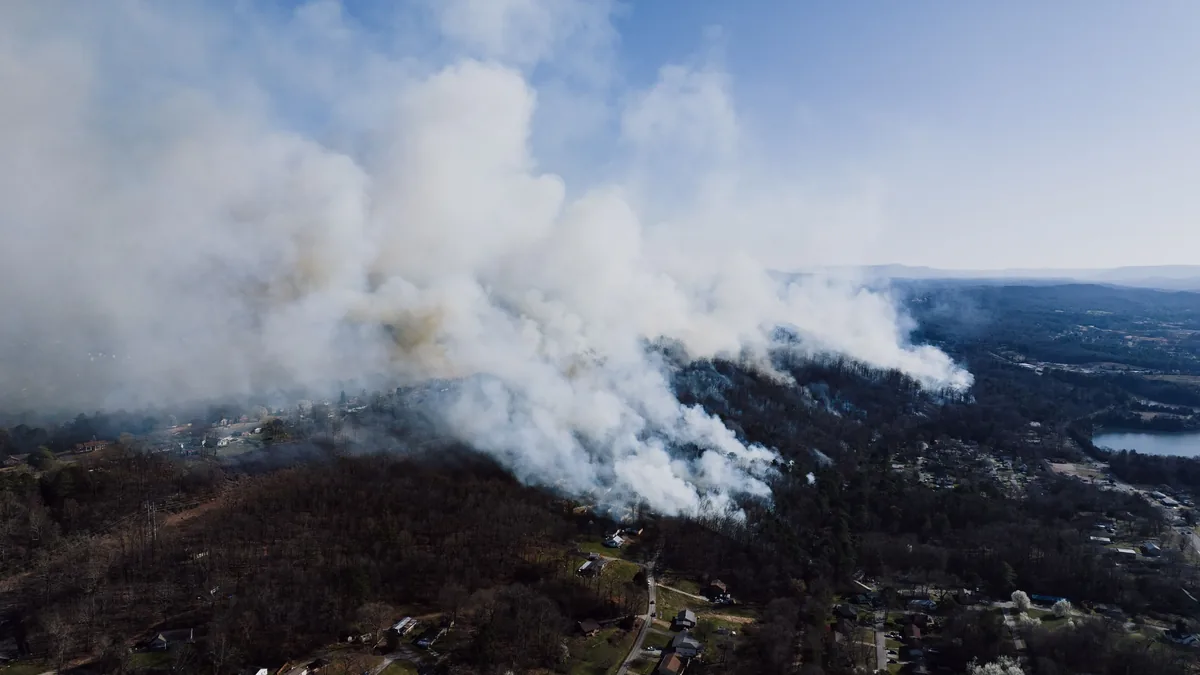
Air Quality Index And Wildfire Smoke
Origin and history
The Air Quality Index (AQI) is a standardized system for reporting daily air quality, developed in the United States during the late 1960s and 1970s. Its creation was a direct response to the Clean Air Act of 1970, which required a consistent method for informing the public about health risks from common air pollutants. The original U.S. AQI, established by the Environmental Protection Agency (EPA), focused on pollutants like ground-level ozone and particulate matter from industrial and vehicular sources. The specific application of the AQI to wildfire smoke is a more recent adaptation, driven by the increasing frequency and intensity of wildfires in North America and globally since the late 20th century. While the core index remains, its use for smoke events has necessitated public education on its distinct patterns and hazards. The integration of wildfire smoke into AQI reporting became a standard public health practice in fire-prone regions by the early 21st century.
What it is for
The Air Quality Index serves as a public communication tool to translate complex air pollution data into a simple, color-coded scale of risk. Its primary purpose is to inform individuals, especially those in sensitive groups, when air quality reaches levels that could harm their health. For wildfire smoke, the AQI specifically communicates the concentration of fine particulate matter, known as PM2.5, which is the primary health hazard from smoke inhalation. Public health officials use the AQI to issue advisories, recommend protective actions like staying indoors, and guide decisions on school closures or event cancellations. It allows individuals to make informed choices about outdoor activities, such as postponing exercise or wearing respirators. Furthermore, the index provides a common benchmark for media reporting, enabling consistent messaging across communities affected by smoke plumes.
Overview
The Air Quality Index for wildfire smoke is a numerical scale, typically ranging from 0 to 500, divided into color-coded categories from "Good" to "Hazardous." Each category corresponds to a level of health concern and recommends specific precautions. During a wildfire event, ground-level monitors and satellite data measure the concentration of PM2.5, particles so small they can penetrate deep into the lungs and bloodstream. The AQI value for smoke is calculated from this PM2.5 concentration, often leading to rapid and severe deteriorations in reported air quality. Smoke plumes can travel thousands of miles, meaning regions far from the actual fire can experience hazardous conditions. The index is dynamic, changing hourly as wind patterns shift and fire behavior evolves, requiring the public to monitor updates frequently.
What to know
Wildfire smoke AQI levels above 150 ("Unhealthy") mean everyone, not just sensitive individuals, should begin reducing prolonged or heavy exertion outdoors. The "Hazardous" level (301+) triggers recommendations for all individuals to avoid all physical activity outdoors. Indoor air quality is not automatically safe; smoke infiltrates homes, and using an HVAC system with a high-efficiency filter or a portable air cleaner is often necessary. Standard dust masks or cloth face coverings do not protect against fine smoke particles; properly fitted N95 or P100 respirators are required for effective filtration. AQI readings can vary significantly over short distances, so checking a local, real-time source like the EPA's AirNow website or a reliable app is crucial. Symptoms of smoke exposure include coughing, throat irritation, chest tightness, and headaches, and can appear even at moderate AQI levels for some people.
Common questions
What is the difference between the AQI for ozone and the AQI for wildfire smoke? While the overall index scale is the same, the pollutant being measured differs; smoke events are primarily driven by PM2.5, while sunny urban days often see high ozone levels. How long do health effects last after the smoke clears? For most healthy people, symptoms subside, but repeated exposures can contribute to chronic heart and lung disease, and sensitive individuals may experience prolonged effects. Can I use my car's air conditioning during smoky conditions? Yes, if you set the system to recirculate the interior air to prevent outside smoke from entering the cabin. Why does the sky sometimes look clear when the AQI is poor? Fine PM2.5 particles are often invisible at ground level, and haze or an orange sky only appears at extremely high concentrations. Are air quality alerts automatically issued for certain AQI levels? Typically, local agencies issue formal alerts at the "Unhealthy for Sensitive Groups" level (101-150) or higher, but the index itself provides continuous guidance. Should I evacuate my home due to poor air quality? Evacuation is typically for direct fire threat; for smoke, the standard advice is to "shelter in place" in a clean indoor environment unless directed otherwise by authorities.
Pros and cons
A major pro of the AQI system is its standardization, which allows for clear, comparable communication across jurisdictions and reduces public confusion during widespread smoke events. It empowers individuals with specific, actionable health recommendations tied to each color-coded category. However, a significant con is the potential for a false sense of security or confusion when the index changes rapidly; an "orange" day can quickly become "purple," catching people mid-activity. Another common mistake is over-reliance on a single monitor's reading, as hyper-local conditions can be better or worse, leading to inappropriate risk assessment. People often regret not preparing in advance by purchasing air purifiers or respirators, which frequently sell out when smoke arrives. The index also struggles to convey cumulative risk, as a week of "moderate" exposure may be more harmful than a single "unhealthy" day, a nuance often lost in public response.
Who it suits
The AQI for wildfire smoke is an essential tool for public health departments and emergency managers who need a common framework for decision-making and public messaging. It is critically important for individuals in sensitive groups, including those with asthma, COPD, heart disease, older adults, pregnant people, and children, as they experience health effects at lower concentrations. It suits residents in wildfire-prone regions like the western United States, Canada, and Australia, where seasonal smoke has become a recurrent hazard. Outdoor workers, such as agricultural and construction laborers, require this information to enforce workplace safety regulations and adjust duties. School administrators and sports coaches also rely on the AQI to make legally and medically sound calls about outdoor activities and recess. Ultimately, it suits any person living in an area where wildfire smoke can travel, as smoke events increasingly affect populations hundreds or thousands of miles from the actual flames.
Latest Air Quality Index And Wildfire Smoke news
Latest reporting
EPA's Lake Guardian Completes 43rd Annual Great Lakes Survey
Scientists aboard the EPA research vessel Lake Guardian have finished a month-long summer survey of all five Great Lakes, collecting data on water...
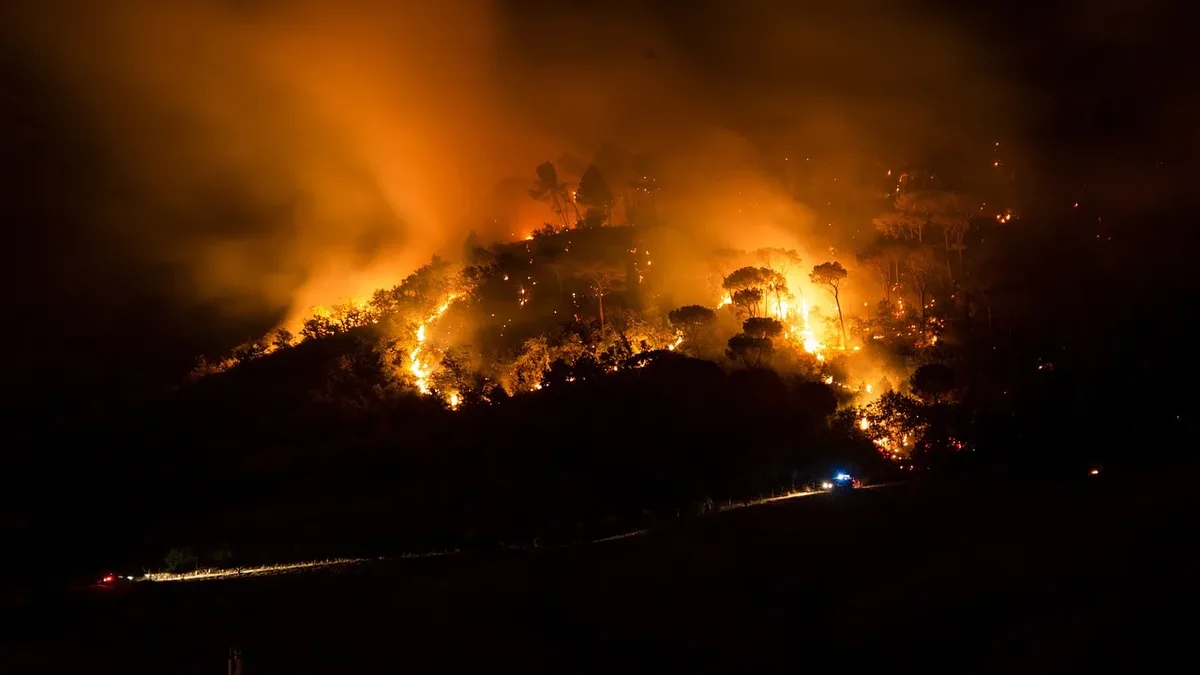
Study finds 61% of combined fuel treatments
Research analyzing over 1,600 fuel treatments in California from 1950-2022 found that 61% were effective at modifying wildfire behavior, even under...