Study finds 61% of fuel treatments effective against wildfire
Research analyzing over 1,600 fuel treatments in California from 1950-2022 found that 61% were effective at modifying wildfire behavior.
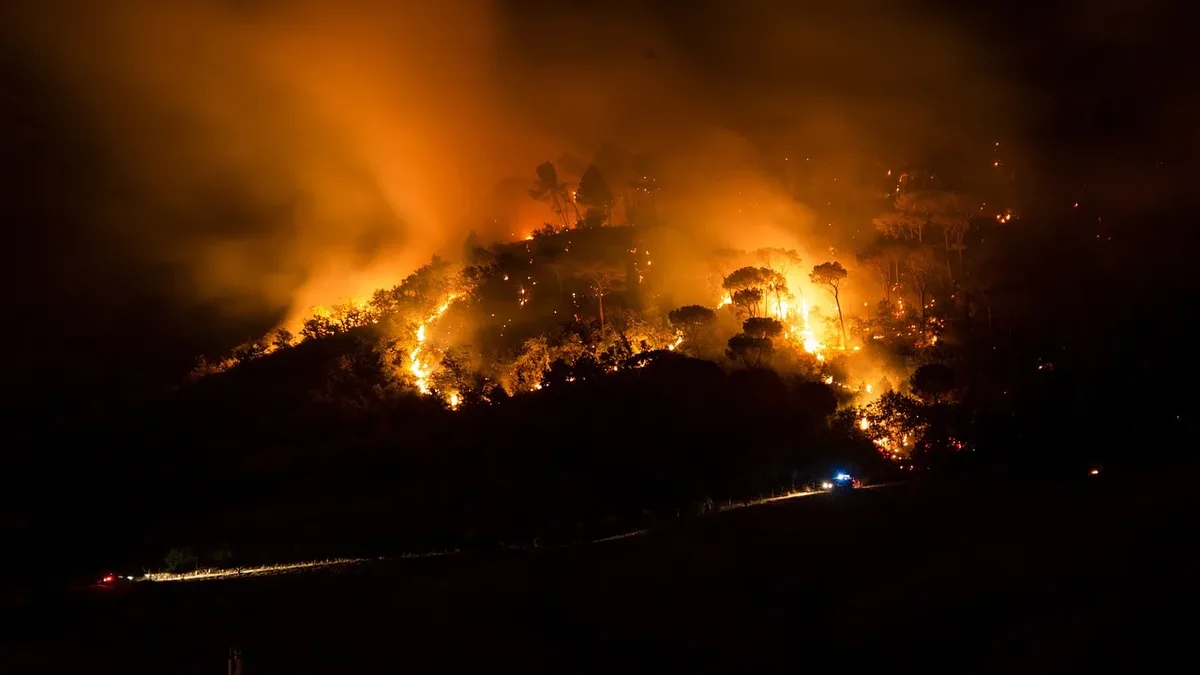
A new study has found that 61 percent of fuel treatment areas intersected by wildfire in California were effective at modifying fire behavior. The research, led by former Boise State University PhD student Kendra Fallon, analyzed over 1,600 cases of fuel treatments on National Forest System lands between 1950 and 2022.
While many studies confirm fuel treatments are an effective wildfire mitigation tool, a significant gap has remained. Researchers have lacked understanding of how a range of different treatments work together over many years across large areas to produce a desired outcome. Earlier studies relied heavily on individual case studies looking primarily at the single most recent treatment in a recently burned area.
A Novel Methodology
The research team fused data from two key systems. They used the Forest Service Activity Tracking System (FACTS), which documents all land management activities, and the interagency Fuel Treatment Effectiveness Monitoring system (FTEM), which flags overlaps between the most recent fuel treatment and an intersecting wildfire. FACTS also includes naturally caused wildfires identified as 'meeting objectives'.
This approach summarized all fuel treatments, both combinations and individual treatments, across more than 20 million acres of National Forest System lands in California. The state has a long-standing record of fuel mitigation efforts. By combining these datasets, the researchers created a broader picture of effectiveness.
Key Findings on Treatment Success
The analysis of 1,621 cases revealed that 61 percent modified wildfire behavior. The researchers note this may be an underestimation. More subtle signs of wildfire behavior change can be missed by novice observers and are not captured in the data.
Treatments in these forests were mostly prescribed fire. They also included mechanized fuel removal or rearrangement using hand tools or large machinery. In some cases, grazing or chemical spraying was used. Importantly, many areas had undergone more than one type of treatment.
Kendra Fallon, now a National Fire Ecologist for the US Wildland Fire Service in Boise, Idaho, explained the significance. "This bridges the scientific gap on how the sequence or combinations of multiple hazardous fuel treatments, rather than just the last treatment before wildfire, contribute to the treatment efficacy across large geographies," she said.
Applicability Beyond California
Fallon is optimistic the methodology is transferable. "While we focused our methodology on case studies from California, given the abundance of fuel treatment effectiveness studies in the state, the approach is applicable to other geographies," she stated.
The research was motivated by the needs of wildland fire practitioners. "As a full-time wildland fire practitioner and non-traditional student, I sought to produce research that bridged the gap between current operational challenges and applied fire science," Fallon said. The study, titled "A novel methodology to assess fuel treatment effectiveness: application to California’s forests," was judged joint winner of the Best Student Paper 2025 in the International Journal of Wildland Fire.