Hurricane
| Hazard type | Tropical cyclone |
|---|---|
| Wind speed classification | Saffir–Simpson Hurricane Wind Scale (Category 1 to 5) |
| Typical season | Late summer to early autumn |
| Primary hazards | High winds, storm surge, heavy rainfall |
| Common aftermath impacts | Power outages, flooding, infrastructure damage |
| Geographic occurrence | Atlantic and Northeast Pacific basins |
| Measured by | Maximum sustained wind speed, central pressure |
Origin and history
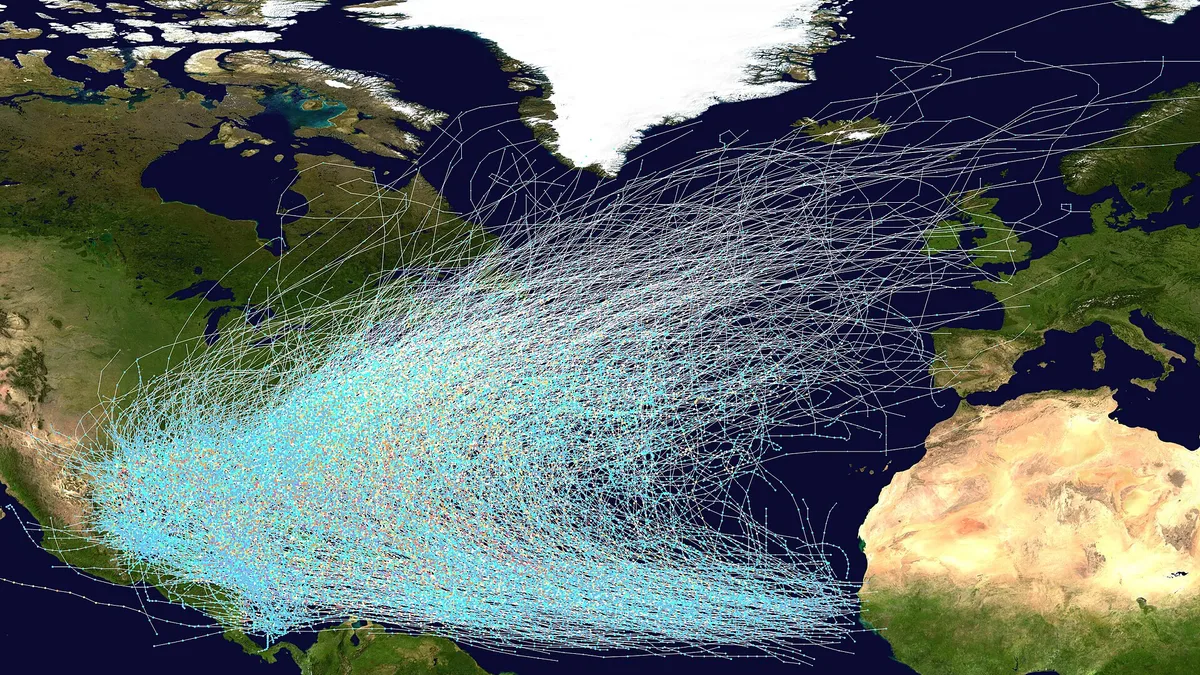
Hurricanes originate over warm ocean waters in tropical regions, primarily forming in the Atlantic Ocean, the eastern Pacific Ocean, and the South Pacific. The term itself has a historical origin in the Caribbean, derived from the Taino indigenous people's word "Huracan," which referred to a god of wind and storm. European colonizers adopted the term in the 16th century to describe the intense cyclonic storms encountered in the region. The scientific understanding and systematic tracking of hurricanes began to develop in the 19th century with the advent of meteorological observation networks. The practice of naming hurricanes for communication purposes was formally adopted by the United States in the early 1950s. The study of hurricane history through geological records and historical documents shows these storms have been a persistent climatic feature for millennia.
What it is for
A hurricane is a type of tropical cyclone, which is a natural heat engine that functions to redistribute excess thermal energy from the tropics toward the poles. Its primary meteorological function is to transfer heat and moisture from the ocean surface to the upper atmosphere, helping to regulate global temperature gradients. The storm draws energy from warm ocean water, typically above 26.5 degrees Celsius, converting it into powerful winds and concentrated rainfall. This process involves the organization of thunderstorms around a low-pressure center, forming a rotating system with a characteristic eye. The system serves to balance atmospheric pressure differences across large scales, though it does so through a violently destructive mechanism. From an ecological perspective, hurricane rainfall can replenish water supplies on land and help sustain certain coastal and wetland ecosystems, though the damage often overshadows these functions.
Pros and cons
The primary con is the immense capacity for destruction of life and property, with even well-prepared communities suffering billions in damages and tragic loss of life. A common mistake is underestimating the danger of storm surge and inland flooding, which consistently cause more fatalities than hurricane-force winds. People often regret choosing to remain in mandatory evacuation zones due to a false sense of security from past storms or an underestimation of the specific threat. The pros are largely ecological and global, as these storms play a role in heat distribution and can end droughts through their rainfall, though this is little consolation to affected communities. From a preparedness perspective, the advanced tracking of hurricanes is a pro, allowing for warnings and evacuations that save countless lives compared to eras before satellite technology. A significant con is the long-term financial strain on households and governments, with repeated strikes leading to insurance market collapse and unsustainable recovery costs in vulnerable regions.
Latest Hurricane news
Latest reporting
Secondary perils reshape insurer risk models and reinsurance strategies
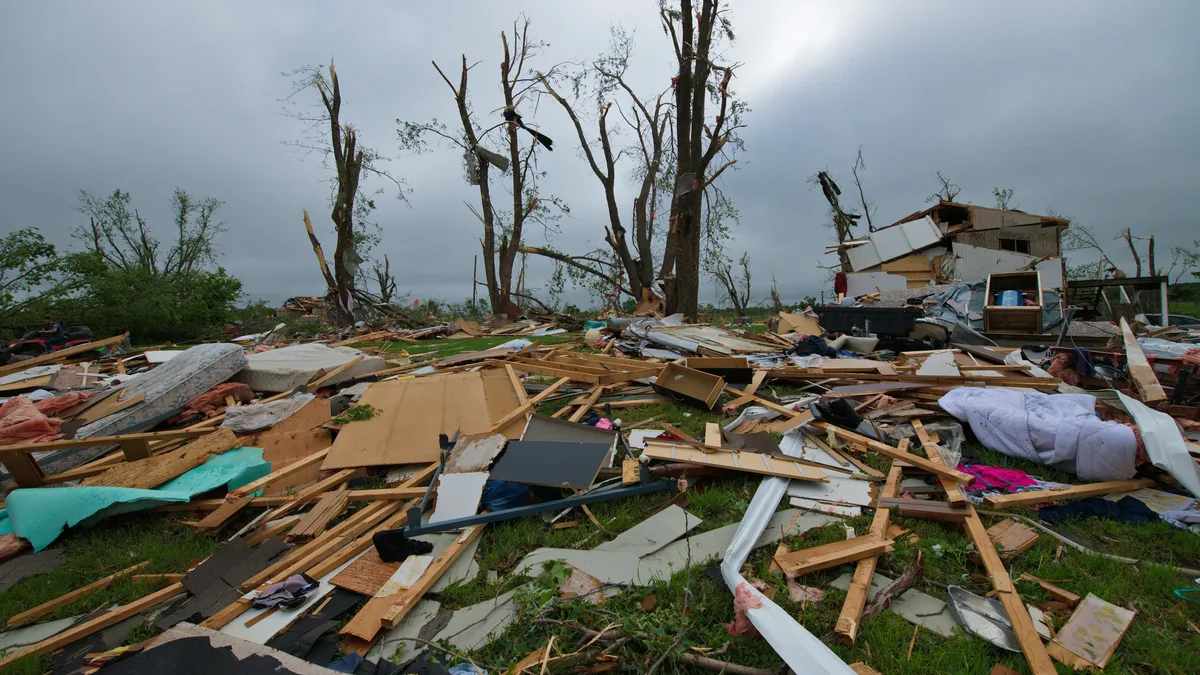
Insured losses from severe convective storms and other secondary perils now exceed hurricane losses in North America, forcing insurers to overhaul...
Subtropical Storm Josephine Intensifies Toward Hurricane Force
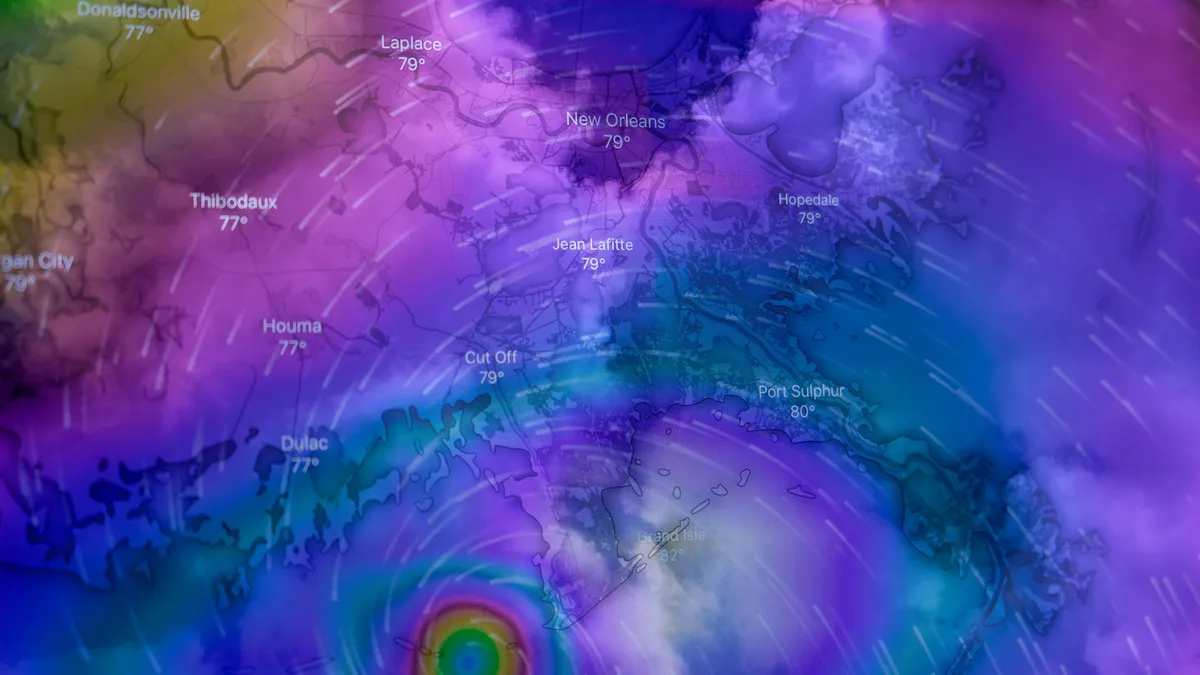
Subtropical Storm Josephine is rapidly intensifying into a hurricane-force extratropical cyclone, bringing gale-force winds, dangerous surf, and...
Subtropical Storm Josephine Brings Coastal Flooding and Gale Winds
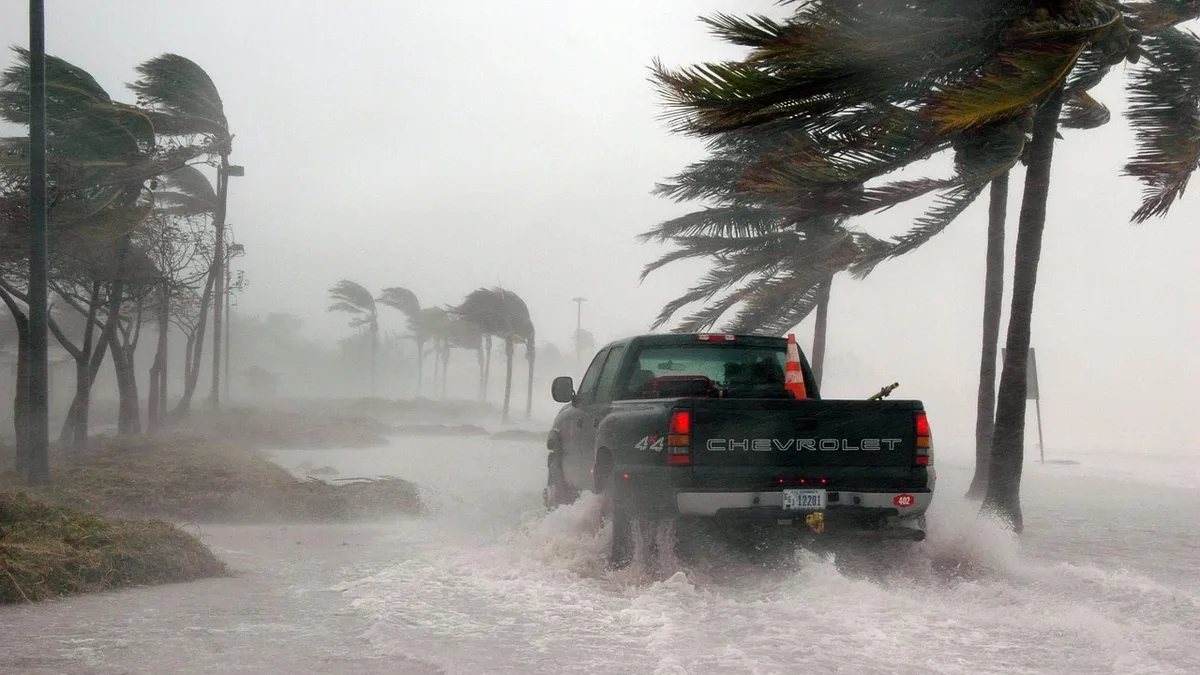
Subtropical Storm Josephine, located 245 miles south of Nantucket with 65 mph winds, is forecast to intensify into a post-tropical cyclone with...
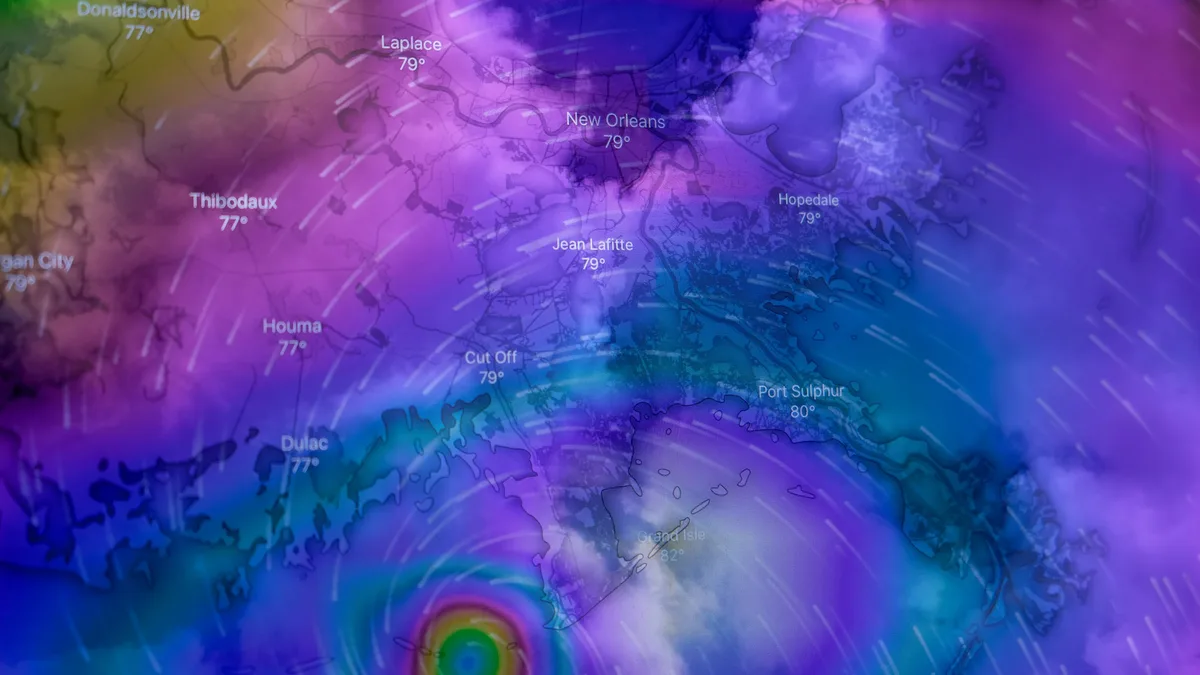
Hurricane Isaias caused $3 billion in insured losses
Hurricane Isaias struck the Florida Panhandle as a Category 2 storm, causing an estimated $3 billion in privately insured losses from widespread wind...
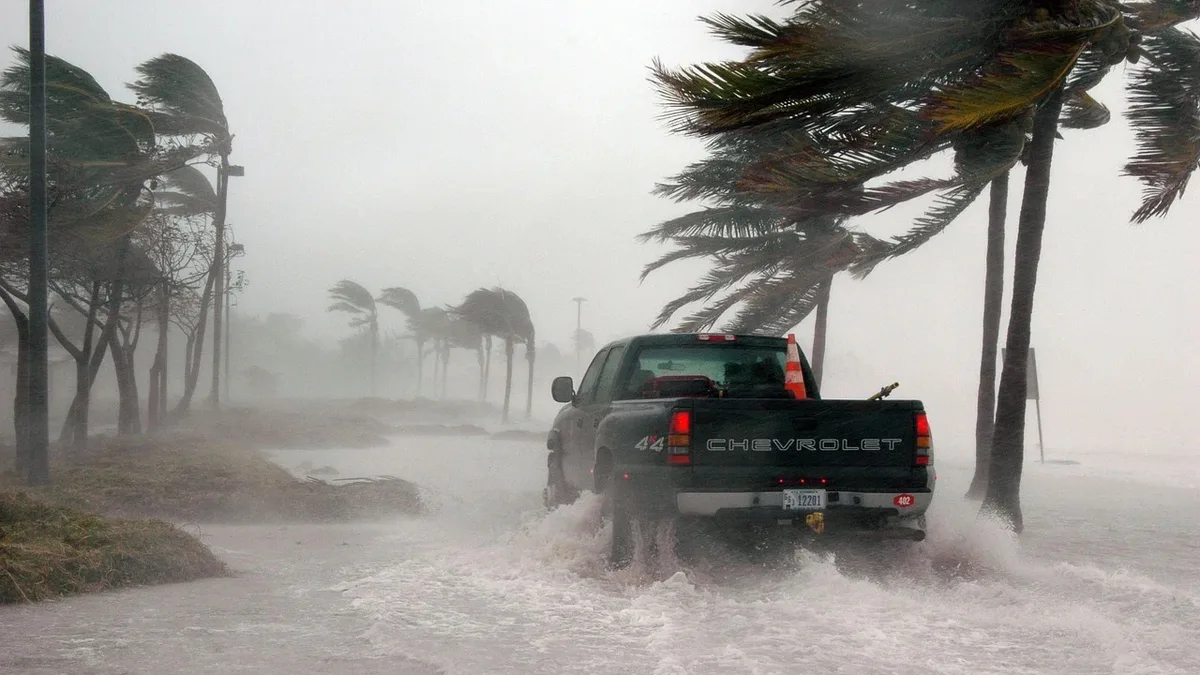
Hurricane Simon Strengthens to Category 4 Off Mexico
Hurricane Simon intensified to a Category 4 storm with 240 km/h winds as it approached Mexico's west-central coast on October 10, 2026, prompting...
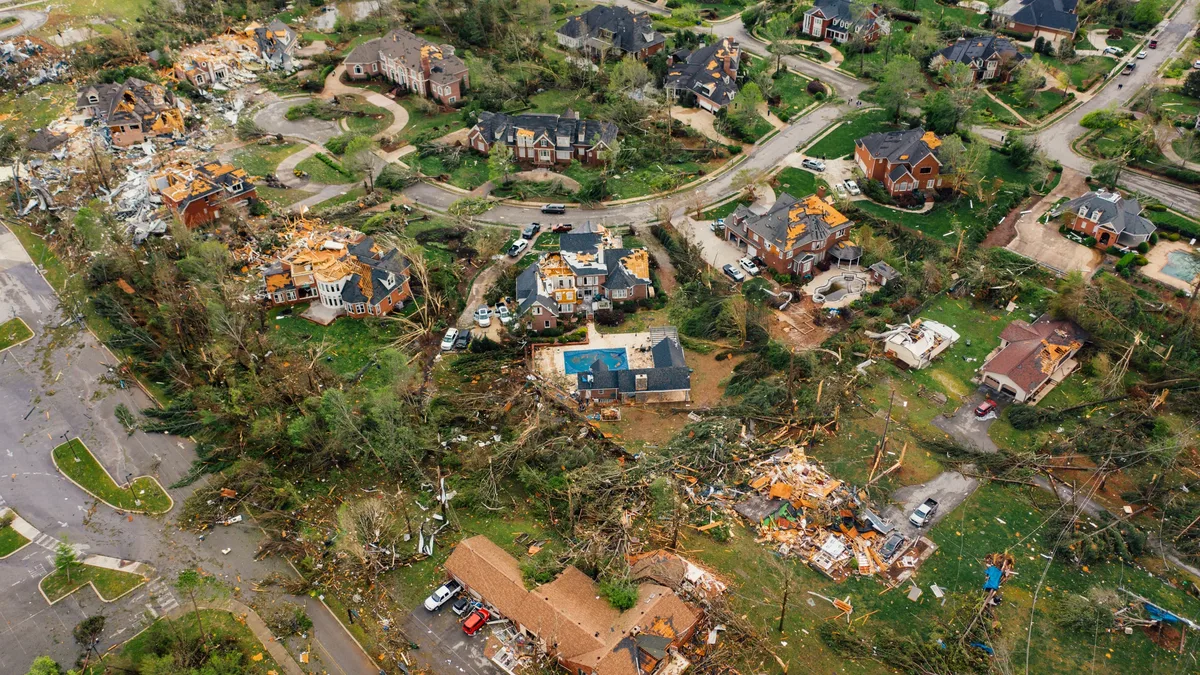
Tornado damages school and homes in Marsala, Italy
A tornado struck western Sicily, damaging a school and homes and injuring several people, while Hurricane Simon's offshore track avoided triggering a...