2025 California Wildfires
| Hazard | Wildfire |
|---|---|
| Event start | Late summer to fall 2025 |
| Primary region | Northern and Central California |
| Ignition cause | Lightning and human activity |
| Evacuations | Mandatory for multiple counties |
| Structures destroyed | Thousands of homes and businesses |
| Fatalities | Dozens |
| Acreage burned | Over one million acres |
| Aftermath | Widespread air quality alerts and federal disaster declaration |
Overview
The 2025 California wildfires refer to a series of major, concurrent wildfire events that devastated regions across the state of California during the 2025 fire season. These fires were characterized by their unprecedented scale, rapid spread, and the simultaneous strain they placed on firefighting resources across multiple jurisdictions. The event compounded existing vulnerabilities in the state's wildland-urban interface, where human development meets fire-prone vegetation. The ignition sources were varied, including lightning from dry thunderstorms, human-caused accidents, and suspected utility infrastructure failures under extreme weather conditions. The collective burn area from these fires significantly exceeded historical annual averages, leading to widespread destruction of ecosystems, communities, and infrastructure. The event is widely cited as a landmark disaster that prompted major revisions to state and federal wildfire policy and emergency management protocols.
History
The 2025 California wildfires originated in the state of California, United States, during the 2025 calendar year, specifically within the region's traditional fire season which spans late spring through autumn. Their development was not a singular event but the culmination of decades of accumulating forest fuel loads, expanding human settlement into高危 areas, and a documented trend of increasing aridity and heat in the western United States. The historical context for these fires includes the severe multi-year drought conditions that plagued California in the early 2020s, which left vegetation critically dry and susceptible to ignition. Furthermore, the legacy of fire suppression policies throughout the 20th century had created dense, overgrown forests that, when ignited, burned with exceptional intensity. The 2025 season followed a pattern of progressively more destructive fire years in the preceding decade, including the complex fires of 2018 and 2020, which had already set records for scale and damage. The specific meteorological conditions in 2025, involving prolonged heatwaves, very low humidity, and episodic strong offshore winds, provided the immediate catalyst for the extreme fire behavior observed.
How it works today
In the aftermath of the 2025 wildfires, the management and response framework for wildfires in California underwent substantial operational and philosophical changes. Today, a greater emphasis is placed on pre-emptive grid de-energization, known as Public Safety Power Shutoffs, during extreme fire weather to mitigate ignition risks from utility equipment. Fuel management programs, including prescribed burns and mechanical thinning, have been scaled up significantly, with a focus on creating strategic defensible spaces around communities and critical infrastructure. Investment in firefighting technology has increased, incorporating a larger fleet of air tankers, expanded use of drone surveillance for fire mapping, and more sophisticated predictive modeling for fire behavior and evacuation routing. Emergency alert systems have been standardized and made more robust to provide faster, more geographically precise warnings to residents. The rebuilding process in affected areas now typically incorporates updated, fire-resistant building codes mandating materials and designs that improve a structure's chance of surviving an ember storm. Coordination between local, state, and federal agencies has been formalized through new joint command structures intended to improve resource allocation during simultaneous major incidents.
Why it matters
The 2025 California wildfires matter because they represent a tangible and catastrophic manifestation of converging climate change impacts, land-use decisions, and infrastructural vulnerabilities. The event demonstrated with stark clarity the limits of traditional fire suppression tactics when faced with multiple, wind-driven megafires burning under historically dry conditions. It forced a public and policy reckoning with the long-term costs of allowing communities to develop without sufficient regard for wildfire risk, leading to difficult conversations about zoning, insurance, and planned retreat from the most高危 areas. The fires had profound and lasting ecological consequences, altering watersheds, destroying wildlife habitats, and in some cases causing soil damage so severe that natural regeneration was hindered. Economically, the disaster resulted in tens of billions of dollars in direct damages and indirect costs, affecting housing markets, agricultural output, and state finances for years. The human toll, including lives lost, physical injuries, and widespread psychological trauma, underscored the event as a profound societal crisis with ripple effects across public health, education, and community cohesion.
Common misconceptions
A common misconception is that the 2025 wildfires were a purely natural disaster, when in fact human influence was a primary factor in both their cause and their severity through climate change, ignition sources, and the placement of assets in harm's way. Another misconception is that the fires burned uniformly across the landscape, whereas in reality they created a complex mosaic of high-severity burn areas interspersed with patches of moderate and low-intensity fire, which has important implications for ecological recovery. Some believe that the primary failure was in firefighting response, ignoring the critical role of pre-fire preparedness, such as fuel reduction and home hardening, which are more effective at reducing loss. There is also a mistaken belief that all the destroyed vegetation will quickly grow back, failing to understand that in some high-severity burn scars, the soil chemistry and hydrology are altered, potentially leading to persistent shrublands instead of forests. Another error is to view the event as an isolated, anomalous occurrence rather than part of a clear, documented trend toward more frequent and intense wildfire seasons in the American West. Finally, it is incorrect to assume that technological solutions alone, such as improved aircraft, can solve the wildfire crisis without concurrent and massive investments in landscape-scale fuel management and climate change mitigation.
Latest 2025 California Wildfires news
Latest reporting
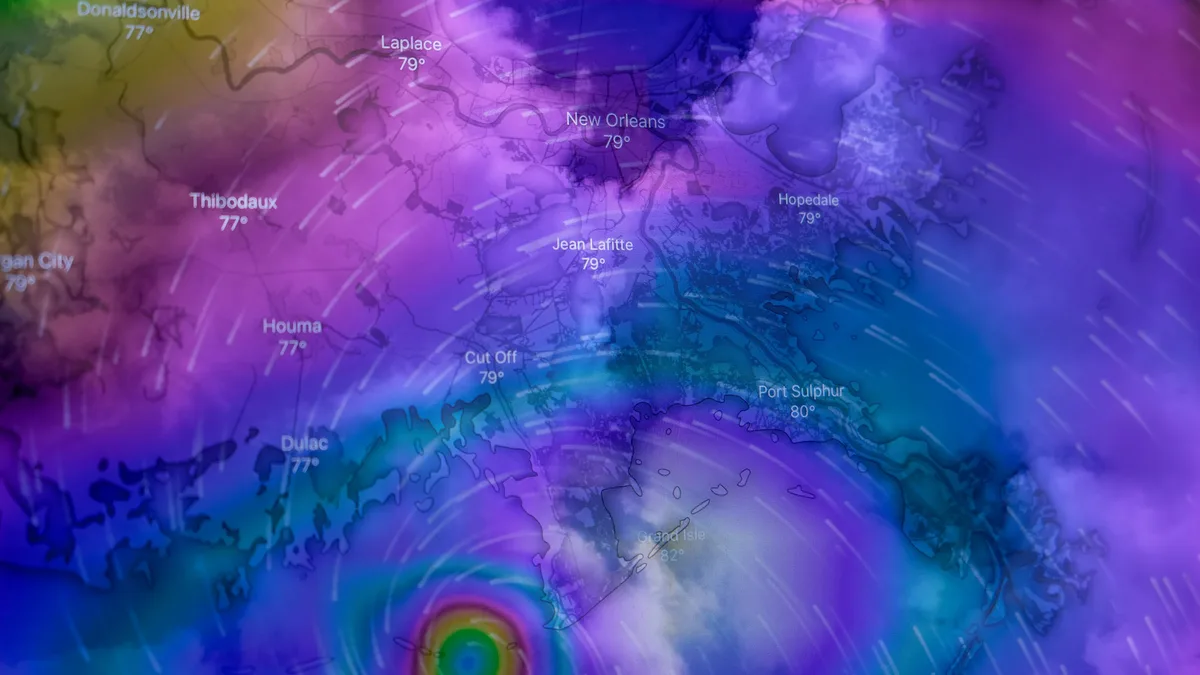
Hurricane Polo Threatens Baja California Sur With Dual
Hurricane Polo, a Category 3 storm, is approaching Baja California Sur with hurricane and tropical storm warnings in effect for both coasts, prompting
California Declares Emergency for Very Strong El Niño
Governor Gavin Newsom declared a statewide emergency on September 21, 2026, to prepare for a very strong El Niño expected to bring heavy...
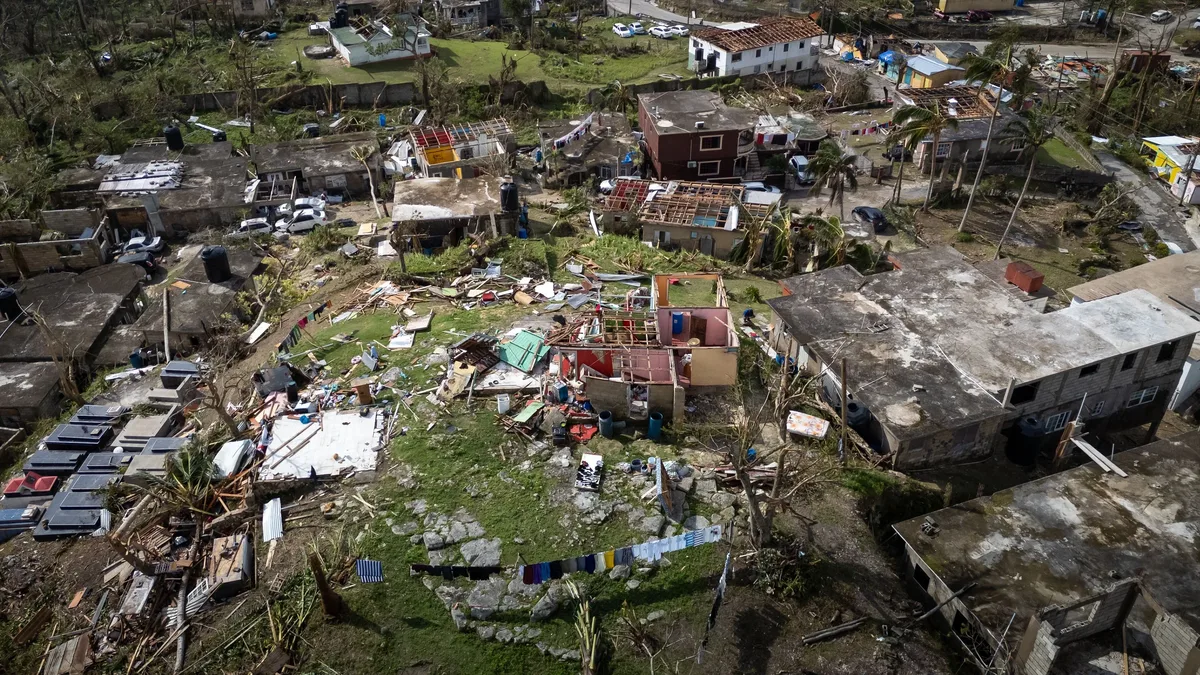
Insured natural catastrophe losses average $171B annually
Verisk's 2026 report forecasts global insured natural catastrophe losses will average $171 billion per year, a $19 billion increase from 2025, with...
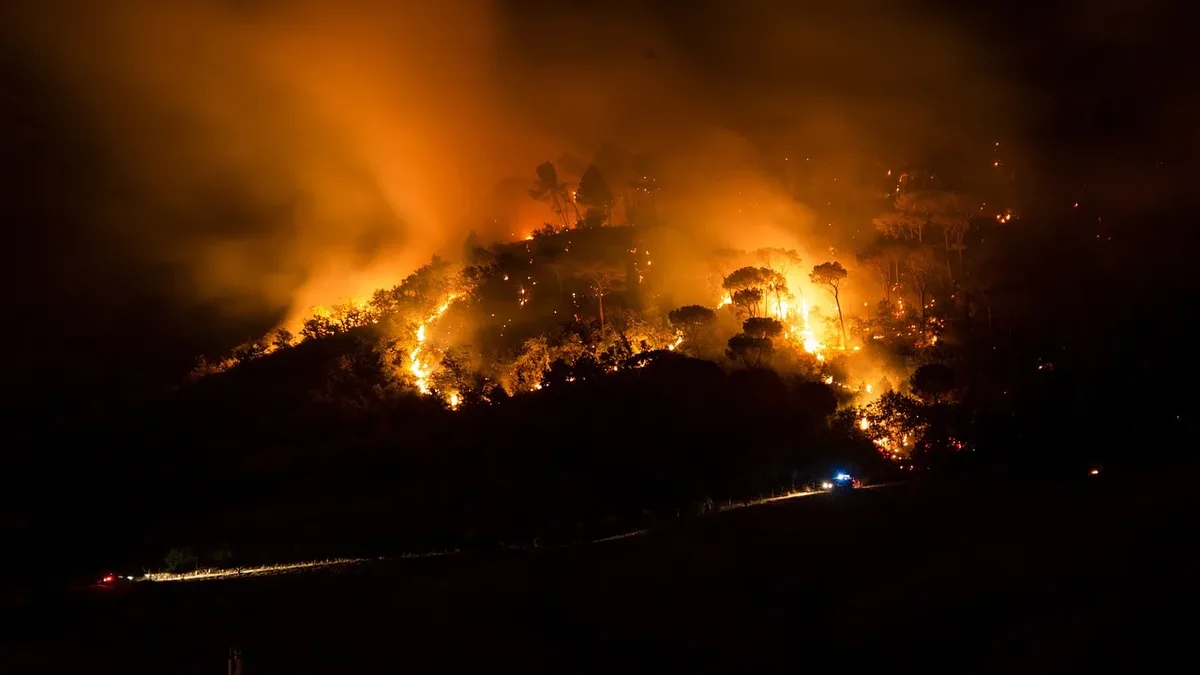
Study finds 61% of combined fuel treatments
Research analyzing over 1,600 fuel treatments in California from 1950-2022 found that 61% were effective at modifying wildfire behavior, even under...

Radford's Optimisation Boosts Fuel Treatment
Douglas Radford of Adelaide University used multi-objective optimisation to boost fuel treatment plans by 80-280 % in a study published in 2025.

Nest Pension’s ILS Returns Stay in 2025
Nest Sammelstiftung, a Swiss pension fund, reported that its insurance-linked securities (ILS) allocation delivered convincing results in 2025. The...