2021 Texas Winter Storm
| Hazard | Extreme winter weather and cold wave |
|---|---|
| Event | Severe winter storm and power grid failure |
| Date | February 10–20, 2021 |
| Primary impact area | Texas, United States |
| Direct fatalities | 246 |
| Major infrastructure failure | Statewide electrical grid |
| Post-event investigation | Led by the Federal Energy Regulatory Commission |
Overview
The 2021 Texas Winter Storm was a major meteorological and infrastructural disaster that occurred in February 2021. It involved an unprecedented series of winter storms, including severe freezing rain, ice, and snowfall, which moved across the United States and critically impacted the state of Texas. The event is also widely referred to as the Texas Power Crisis due to the catastrophic failure of the state's separate power grid, managed by the Electric Reliability Council of Texas (ERCOT). Temperatures plummeted far below seasonal norms, with areas like Dallas-Fort Worth experiencing prolonged periods below freezing and the state's all-time lowest temperature of -13°F (-25°C) recorded in Nowata, Oklahoma, near the Texas border. The combination of extreme cold and power grid collapse led to a cascading humanitarian crisis affecting millions of residents. The storm resulted in one of the costliest natural disasters in U.S. history, with widespread damage to property, infrastructure, and the state's water systems.
History
The meteorological origin of the 2021 Texas Winter Storm was a southward displacement of the polar vortex, a large area of low pressure and cold air typically encircling the North Pole. This displacement allowed frigid Arctic air to push deep into the central and southern United States in mid-February 2021, a phenomenon sometimes linked to broader patterns of atmospheric variability. The state of Texas, while occasionally experiencing winter weather, had not faced a cold event of this severity and duration since the 1980s, and its infrastructure was not designed or winterized for such extremes. The historical precedent for such a failure includes a similar but less severe storm in February 2011, after which federal regulators recommended winterization measures for Texas's energy infrastructure that were largely not mandated or enforced. The event's timing in the modern era is significant, as it exposed the vulnerabilities of a highly interconnected yet isolated critical infrastructure system to climate volatility. The historical context includes decades of regulatory and market decisions within Texas that prioritized cost and grid independence over resilience against low-probability, high-impact events.
How it works today
In the aftermath of the storm, the physical and regulatory systems in Texas underwent scrutiny and some modifications, though fundamental structures remain. The Texas power grid remains largely separate from the two major national interconnections, a design choice that limits its ability to import emergency power during crises. Legislative measures, such as Senate Bill 3 passed in 2021, mandated the weatherization of certain key power generation facilities and natural gas infrastructure against extreme temperatures, with enforcement delegated to state agencies. The process for managing grid emergencies, including controlled rolling blackouts, has been reviewed, but critics argue the underlying market incentives that led to under-investment in resilience are still in place. The natural gas supply chain, which was a primary point of failure as wellheads and pipelines froze, now faces weatherization rules, though compliance across the vast and decentralized system is a persistent challenge. Water utilities, thousands of which experienced ruptured pipes and treatment plant failures, are working to improve mapping of critical lines and develop cold-weather preparedness plans, often without significant new state funding.
Why it matters
The disaster matters as a stark case study in systemic risk, demonstrating how a natural hazard can trigger cascading failures across energy, water, healthcare, and transportation systems. It highlighted the human cost of infrastructure fragility, with millions left without heat or potable water during a life-threatening freeze, leading to hundreds of direct and indirect fatalities. The event forced a national conversation about the trade-offs between deregulated, low-cost energy markets and the investment required for grid resilience and reliability, especially in the face of climate change. It exposed critical vulnerabilities in interdependent systems, such as the reliance of electricity generation on a natural gas supply chain that itself requires electricity to operate. For public policy, it serves as a critical example of the consequences when regulatory bodies fail to act on known vulnerabilities from prior near-miss events. The financial repercussions, estimated in the hundreds of billions of dollars, underscore that the economic cost of prevention is often far lower than the cost of catastrophic failure.
Common misconceptions
A common misconception is that the power grid failed solely because wind turbines froze, when in reality failures occurred across all major generation types, with the most significant capacity losses coming from natural gas, coal, and nuclear plants due to frozen instrumentation and fuel supply issues. Another misconception is that the entire state of Texas lost power simultaneously; in fact, managed rolling blackouts were intended but devolved into prolonged, uncontrolled outages for millions due to the sheer scale of the generation shortage. Some believe the crisis was solely an act of nature, neglecting the profound role of human decisions in grid design, market rules, and the lack of mandatory winterization standards that amplified the natural hazard. There is also a mistaken belief that connecting the Texas grid to the national grids would have completely solved the crisis, while it likely would have helped, neighboring grids were also stressed and the amount of power needed was enormous. The notion that all fatalities were directly from hypothermia is incorrect, as many deaths were indirect, including carbon monoxide poisoning from unsafe heating methods, fatalities from medical equipment failure, and complications from the lack of dialysis treatment. Finally, it is a misconception that the event was a unique "black swan" beyond any planning, given the clear warnings from the similar 2011 storm and the known historical precedent of severe cold snaps in the region.
Latest 2021 Texas Winter Storm news
Latest reporting
States Sue FAA Over Drone Delivery Environmental Review
Fifteen states and Harris County, Texas, filed a lawsuit against the FAA on September 28, challenging its environmental clearance for expanded...
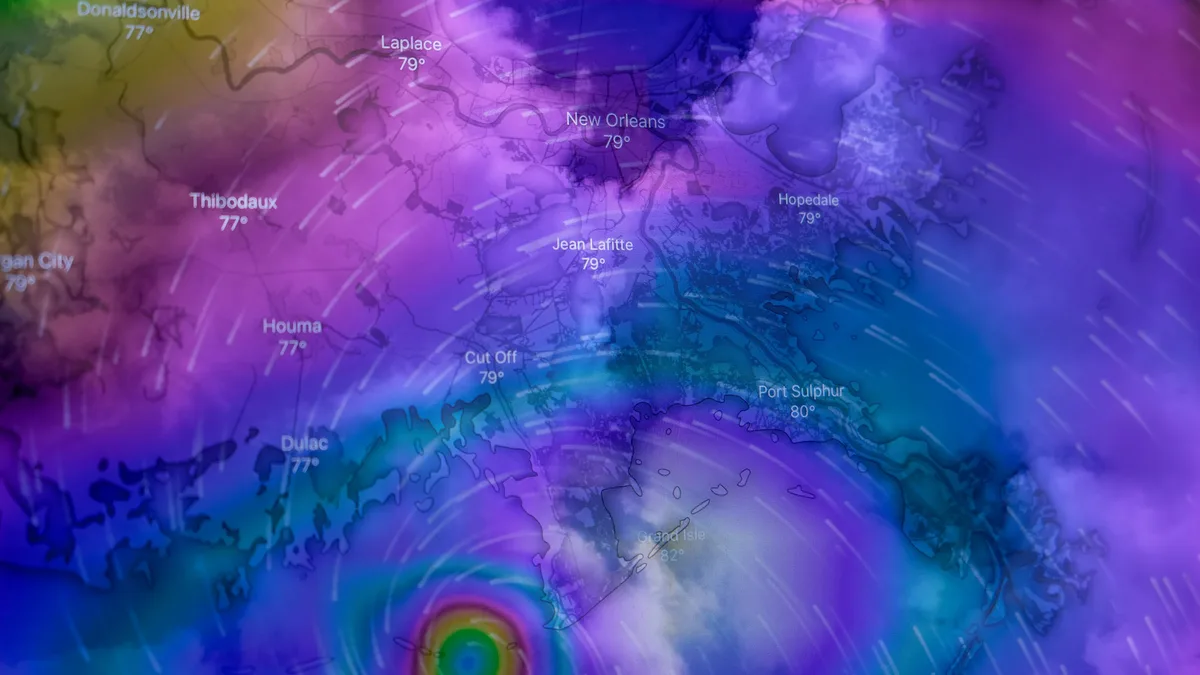
Hurricane Polo Threatens Baja California Sur With Dual
Hurricane Polo, a Category 3 storm, is approaching Baja California Sur with hurricane and tropical storm warnings in effect for both coasts, prompting
Hurricane Polo Hits Category 5 Strength Off Mexico
Hurricane Polo intensified to a Category 5 storm with 165 mph winds on September 22, 2026, threatening southwestern Mexico with life-threatening...
Tropical Storm Polo Intensifies Toward Major Hurricane
Tropical Storm Polo is rapidly strengthening off Mexico's southwest coast, with forecasts predicting it will become a major hurricane by Tuesday...
Severe Thunderstorm Watch Issued for Eastern Colorado
The National Weather Service Storm Prediction Center issued Severe Thunderstorm Watch 674 at 9:00 PM MDT on Sunday, September 20, 2026.
Red Tide Triggers Health Warnings Along Texas Coast
A red tide bloom off Galveston County, Texas, poses a moderate to high risk of respiratory irritation for beachgoers, with state agencies reporting...