California Coastal Water Levels Break Records in October 2026
From October 24 to 30, 2026, four California coastal locations recorded their highest water levels ever observed, exceeding a century of data.
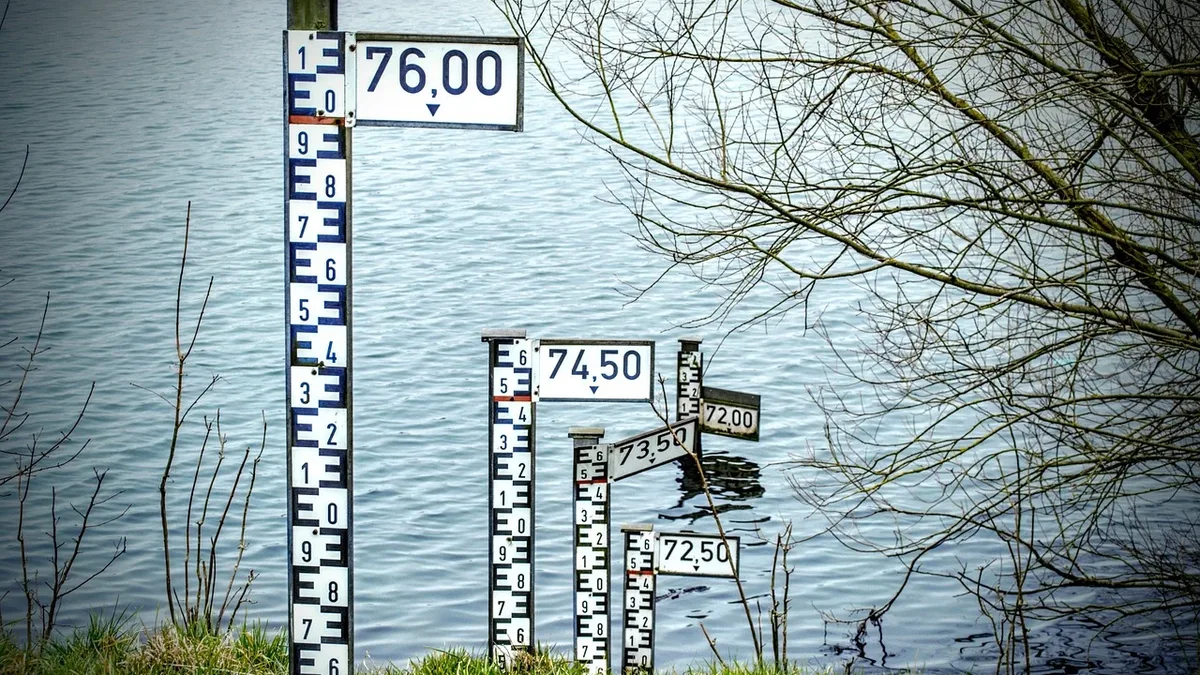
California coastal water levels broke records in late October 2026. From October 24 to 30, NOAA tide gauges recorded the highest water levels in over a century of observations. Four locations reached their all-time highest observed levels, while others saw water levels rank among their top-ten highest. The heightened water levels, measured above the Mean Higher High Water baseline, flooded roads, inundated homes and businesses, and disrupted daily life in coastal communities.
Compound climate drivers intensifying the event
Multiple climate factors combined to create the unprecedented conditions. A perigean spring tide brought higher-than-normal astronomical tides. Concurrently, El Niño-driven Kelvin waves raised sea levels by 6 to 12 inches or more along the U.S. West Coast over several weeks. Thermal expansion from an ongoing marine heatwave provided a further boost, extending flooding farther inland.
Sea surface temperatures along the coast are running about 4 degrees Celsius above average. That warm water, now between 65 and 75 degrees Fahrenheit from the Central Coast to Southern California, has caused sea levels to rise an additional 6 inches to about a foot above normal. This year's El Niño is classified as very strong, with a greater than 83% chance of persisting through March, and is likely to reach historic levels. Virtually every part of the California coast broke at least one marine heat record in 2026, with parts of Southern California already breaking 150 daily records for the year.
Ongoing and future flood risks
The risks are far from over. NOAA predicts above-normal high tides will continue through the winter. Specific periods of concern include November 22-27 and December 22-26, 2026. These dates coincide with perigean spring tides, the winter solstice, and Perihelion. Ongoing El Niño conditions are expected to produce more Kelvin waves throughout the fall and winter.
NOAA's Winter Outlook also predicts wetter-than-average conditions in the southwestern U.S. This increased rainfall raises the risk of coastal flooding from runoff compounding high tide events. The agency's Monthly High Tide Flooding Outlook and Coastal Inundation Dashboard provide tools for identifying days with increased risk and for real-time water level monitoring during flood events. Major king tides are expected during the weeks of Thanksgiving and Christmas, with above-normal conditions forecast through winter 2026.