Australia's spring fire risk heightened
Australian fire authorities warn of elevated spring fire risk due to a strong El Nino, with below-average rainfall and above-average temperatures forecast.
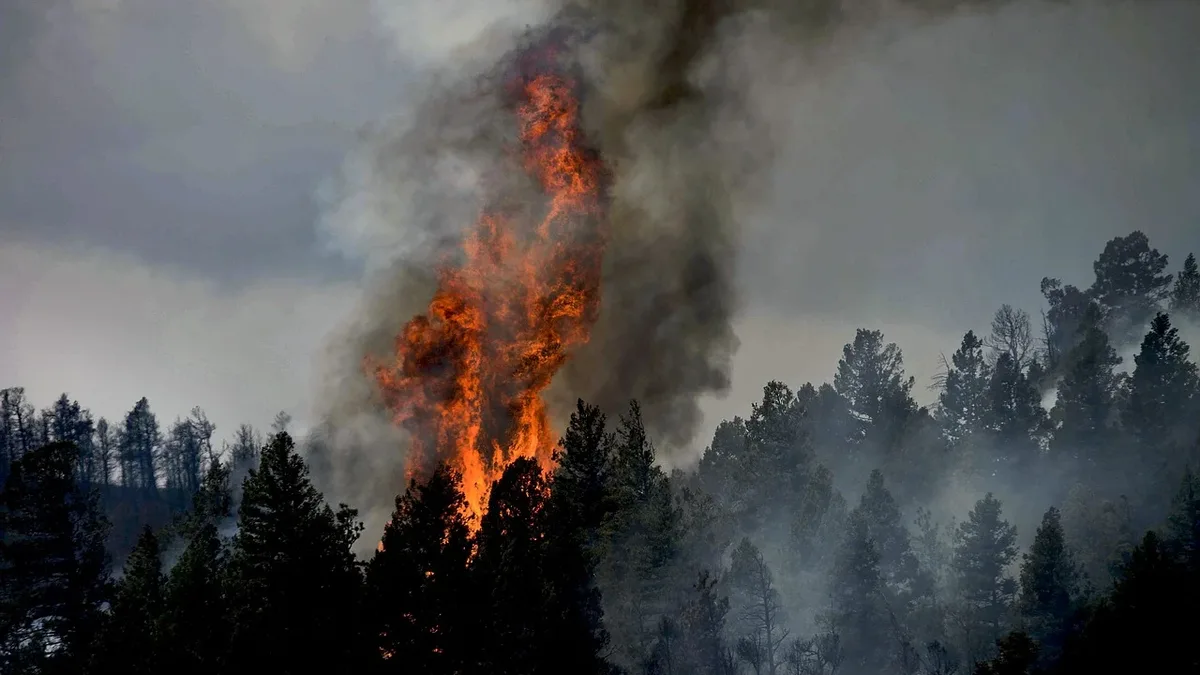
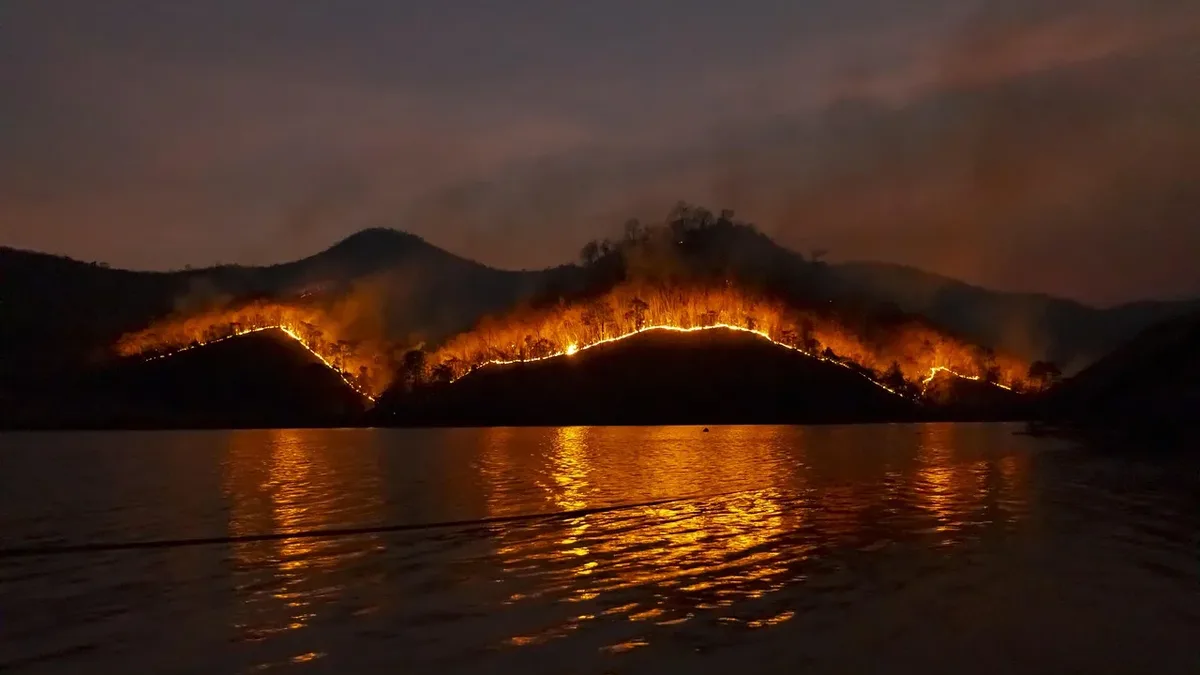
Australia's fire agencies are preparing for a spring with heightened fire potential before the main impacts of a strengthening El Nino are expected later in the season. The Australasian Fire and Emergency Service Authorities Council (AFAC) and the Bureau of Meteorology released the Spring Bushfire Outlook today at the AFAC26 conference in Melbourne.
Authorities are monitoring a severe northern hemisphere wildfire season for its potential implications on shared firefighting resources. Some Australian aircraft and personnel are currently deployed in the United States, Canada, and Europe.
Climate drivers for spring
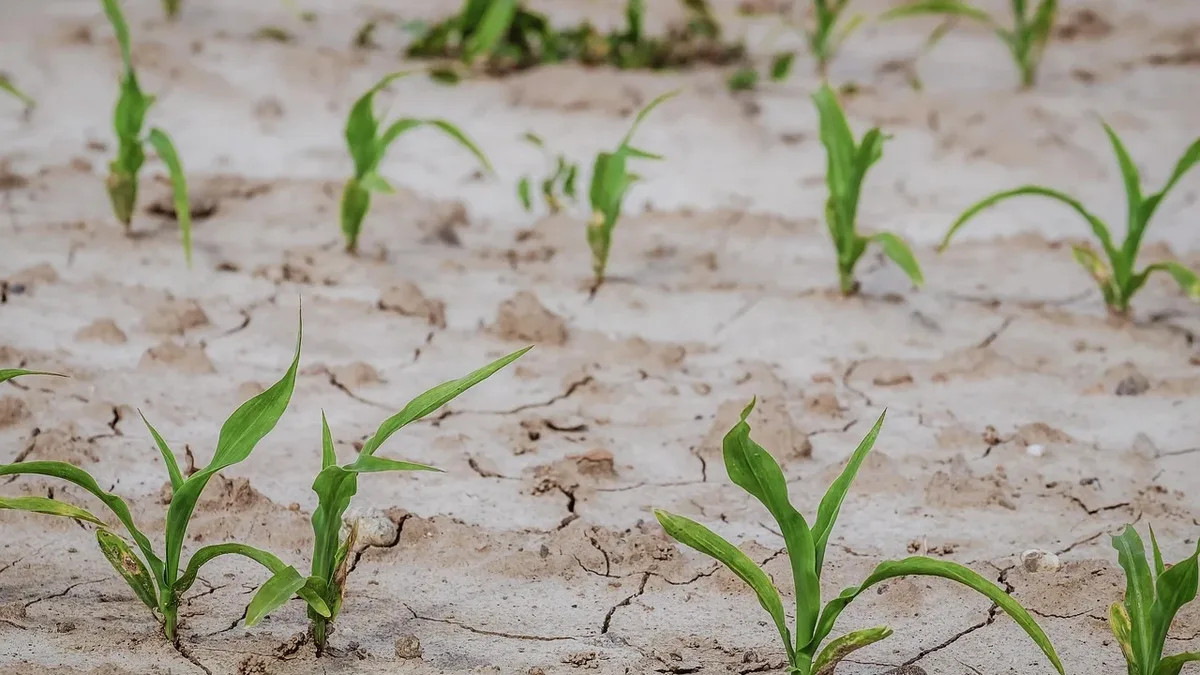
The Bureau of Meteorology predicts below-average rainfall and higher-than-average temperatures across most of eastern and southern Australia through November. This will dry out landscapes that received good rainfall earlier in the year.
Michael Logan, the Bureau's General Manager of National Production Service, emphasized that El Nino is not the only factor. "An El Nino event is underway, it is strengthening and it is going to be a very strong one," Logan said at the outlook launch. "But that is not the only driver that influences the Australian climate."
Logan noted the Indian Ocean Dipole (IOD) is currently neutral but models suggest a positive IOD is developing, which also influences rainfall. He also pointed to very warm sea surface temperatures around much of Australia's coastline. All these climate drivers will affect fire risk through spring and potentially into summer.
Elevated risk areas
Fire authorities are predicting a heightened risk of fire across several specific regions. The outlook highlights northern and southeastern New South Wales, south-east Queensland, and northeastern Tasmania. Parts of Western Australia, South Australia, and Victoria also face elevated potential.
The Northern Territory is a particular focus. The current fire season in the Top End is expected to extend by an extra month into November, with a late wet season keeping the risk high. Central areas of the Territory also face an elevated fire potential due to high fuel loads.
A strong wet season in 2025-2026 produced abundant greenery and an influx of wildlife that attracted tourists. This vegetation will now dry out as the region moves into a hotter, drier period over the coming months, creating significant fuel for fires.
The spring outlook is considered crucial for populous eastern and southern states as it leads into the main summer bushfire season. A clearer picture of what Australia will face this El Nino summer is expected with the next seasonal outlook, which is scheduled for release in late November.