Data Centre Build-Out Strains Insurance, Opens Door
A Howden report warns that the global data centre expansion is concentrating unprecedented financial risk in natural catastrophe zones, pushing traditional

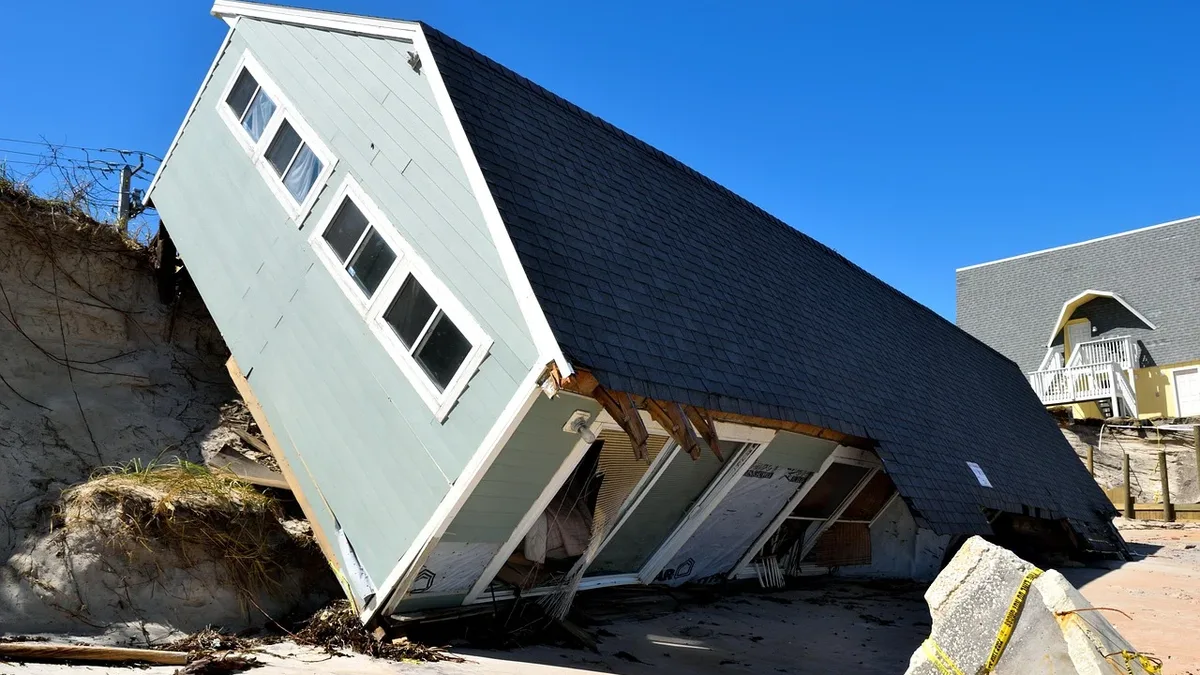
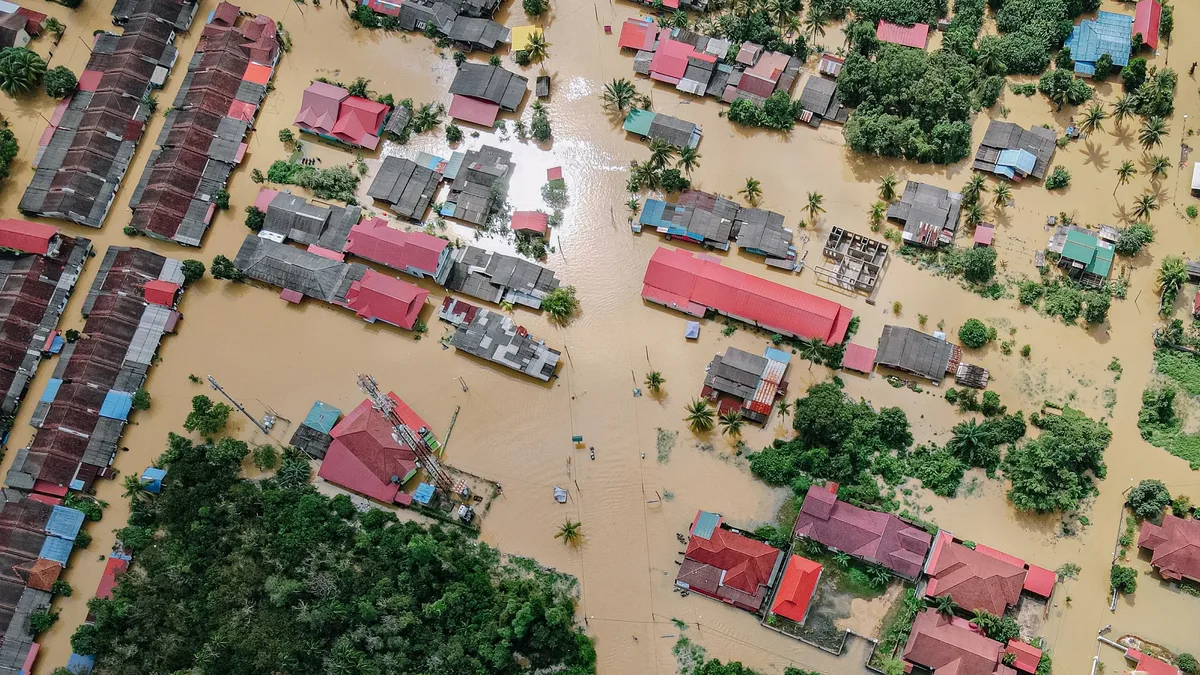
The rapid global build-out of data centres is creating unprecedented concentrations of financial risk in areas prone to natural disasters, pushing traditional insurance capacity to its limits. According to a new report from insurance broker Howden, this situation presents a prime opportunity for capital markets and insurance-linked securities (ILS) investors to step in.
Howden's analysis states that in the United States, a significant number of major data centre hubs are located in areas highly exposed to extreme weather. Globally, more digital infrastructure is being developed in regions affected by armed conflict. The fast pace of development is also contributing to a sharp rise in legal disputes worldwide.
Geographic Concentration of Risk
The broker outlines a stark concentration of exposure. While 155 US locations hosting data centres have experienced at least one severe hailstorm or tornado over the past decade, just 20 of those locations account for roughly 80% of the total data-centre square footage impacted. These hyperscale campuses require large, cost-effective plots with access to power and fibre, criteria that often steer development towards inland regions exposed to flooding, extreme heat, severe storms, lightning, and wildfires.
Clustering compounds the issue. Much current construction is occurring in natural catastrophe-exposed states like Texas. Stuart Adam, Head of Natural Resources at Howden US, noted that despite exposure to extreme weather, these 'nat-cat' prone areas are often chosen for access to power and space. This need for power is also seeing data centre developers across the US increasingly become power plant owners and managers, creating a litany of new exposures.
The Scale of Financial Exposure
The financial stakes are enormous. Howden reports that US data centres which suffered at least one severe hailstorm or tornado in the past ten years generate approximately $16 billion in annual revenue. This revenue figure is roughly the size of the entire 29-year-old global cyber insurance market and is significantly larger than global data centre insurance premiums.
The full construction cost of a single site can reach $20 billion, a figure that can double once all technology is installed. This concentration of value creates aggregation risk and demand for very high insurance limits that strain traditional markets. "The overriding message for buyers and the market is constructive: exposure to extreme weather appears more geographically concentrated than the consensus view suggests," Howden's report states.
A Role for Capital Markets and ILS
Howden positions this challenge as a clear opportunity for alternative capital. The report argues that natural catastrophe risk is well-understood and supported by decades of modelling data, unlike some other data centre exposures. These are high-value but high-quality risks, often built to resilient standards.
This is precisely the type of risk the capital markets are structured to take on, with catastrophe peak risk being the original asset class for insurance-linked securities (ILS), Howden said. Meeting the increased demand will depend on drawing in catastrophe-oriented capital from ILS funds, asset managers, life insurers, and sovereign wealth funds to complement traditional reinsurance. This capital is most readily unlocked when risks can be aggregated into portfolios offering large premium volumes and the diversification investors need.
This view echoes a recent Swiss Re Institute report, which indicated that AI data centres and renewable energy infrastructure alone could generate around $200 billion in insurance premiums between 2026 and 2030. That report also emphasised a clear role for alternative reinsurance capital, particularly in catastrophe bonds and sidecars.
Edward Howland Jackson, Chief Commercial Officer of Global Specialty at Howden, said the AI boom is fuelling huge investment but the associated risks are wide-ranging and complex. For the insurance market, he said the opportunity is not simply to provide more capacity, but to use data, specialist advice and risk transfer to help clients identify these exposures early and build greater resilience as the sector expands.