States Sue FAA Over Drone Delivery Environmental Review
Fifteen states and Harris County, Texas, filed a lawsuit against the FAA on September 28, challenging its environmental clearance for expanded commercial
Fifteen states and Harris County, Texas, sued the US Federal Aviation Administration on Monday, September 28. The coalition, which includes California, New York, and Massachusetts, claims the FAA violated federal law by failing to adequately analyze the potential environmental impacts of expanded commercial drone package delivery operations.
States argue review lacks key environmental analysis
The lawsuit targets the nationwide environmental assessment the FAA completed in late July. The states argue this review, intended to support future approvals for individual drone operators, was not sufficiently detailed. They claim it failed to properly consider aircraft noise, safety risks, and privacy concerns. California Attorney General Rob Bonta announced the legal challenge. Rob Bonta said, "FAA’s programmatic environmental assessment falls far short of properly analyzing the environmental impacts that drone package delivery operations may have."
The FAA issued a Finding of No Significant Impact and a Record of Decision on July 28. The agency concluded that operations would not produce significant environmental effects if specified mitigation measures were implemented. The states disagree, arguing the determination did not adequately address the potential safety risks or other environmental impacts.
FAA’s proposed framework aims to streamline drone flights
The dispute centers on the environmental review for the FAA’s proposed Part 108 regulatory framework. This framework would establish a pathway for routine drone flights beyond the visual line of sight of a pilot. It aims to eliminate the need for a long and sometimes costly waiver process for each operator. The proposal includes new requirements for manufacturers, operators, and drone traffic-management services to keep drones safely separated from other aircraft.
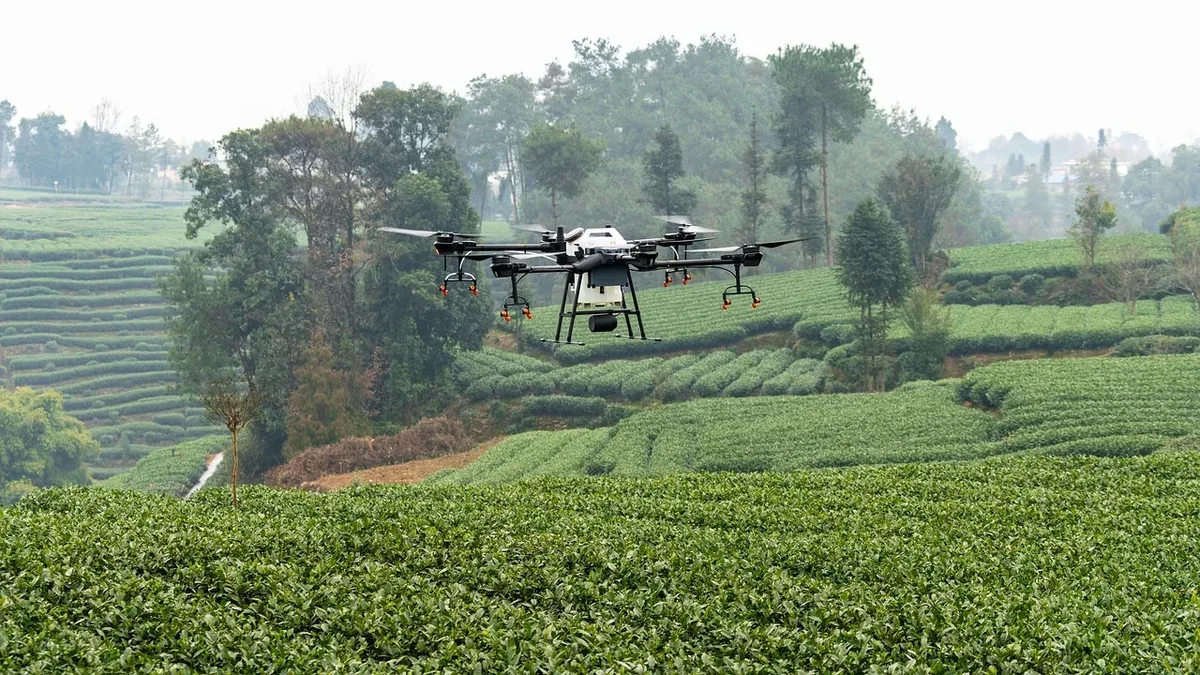
A broader regulatory framework could enable substantially larger delivery networks supporting retail, healthcare, and agriculture. Researchers estimate per-delivery costs could fall to as low as $2 by 2034. The FAA said last year that eliminating waivers will significantly expand drone use-cases in manufacturing, farming, and the movement of products including lifesaving medications.
Current operations and future scale under review
Commercial drone delivery is already active in several states, including California, Texas, Arkansas, Florida, and Utah, under the existing waiver process. Operations by companies like Amazon, Wing, and Zipline are currently active. Amazon announced last month it plans to expand its Prime Air service to nearly 500 U.S. Cities and towns by the end of the year.
The FAA’s environmental review modeled scenarios including noise impacts from an average of 1,150 drone deliveries from a single hub. Agency documents for Amazon Prime Air facilities contemplate as many as 1,000 delivery flights per operating day from a single center. Under the proposed rules, drones would depart a hub and travel en route at an altitude of less than 400 feet. They would need to avoid noise-sensitive areas like parks, campgrounds, and wilderness areas, and launching hubs could not be located near other sensitive sites. Some communities have already raised concerns about noise and privacy.
Legal and regulatory context of the challenge
The lawsuit was filed in the US Court of Appeals for the Second Circuit. It argues the FAA’s review did not comply with the National Environmental Policy Act, which requires federal agencies to consider reasonably foreseeable environmental effects before taking significant actions. The FAA maintains that its assessment considered the required environmental impact categories and that its mitigation measures are sufficient.
The locations of many future delivery hubs and operating areas are not yet known. The FAA’s assessment acknowledges that exact sites will only become clear when individual operators seek authorization. The agency says the program-wide review can provide a common environmental foundation while allowing for additional project-specific analysis later. The FAA had not publicly responded to the lawsuit as of Monday evening. Its environmental review remains the basis for future drone operator approvals unless altered by legal action.