Red Tide Triggers Health Warnings Along Texas Coast
A red tide bloom off Galveston County, Texas, poses a moderate to high risk of respiratory irritation for beachgoers, with state agencies reporting fish
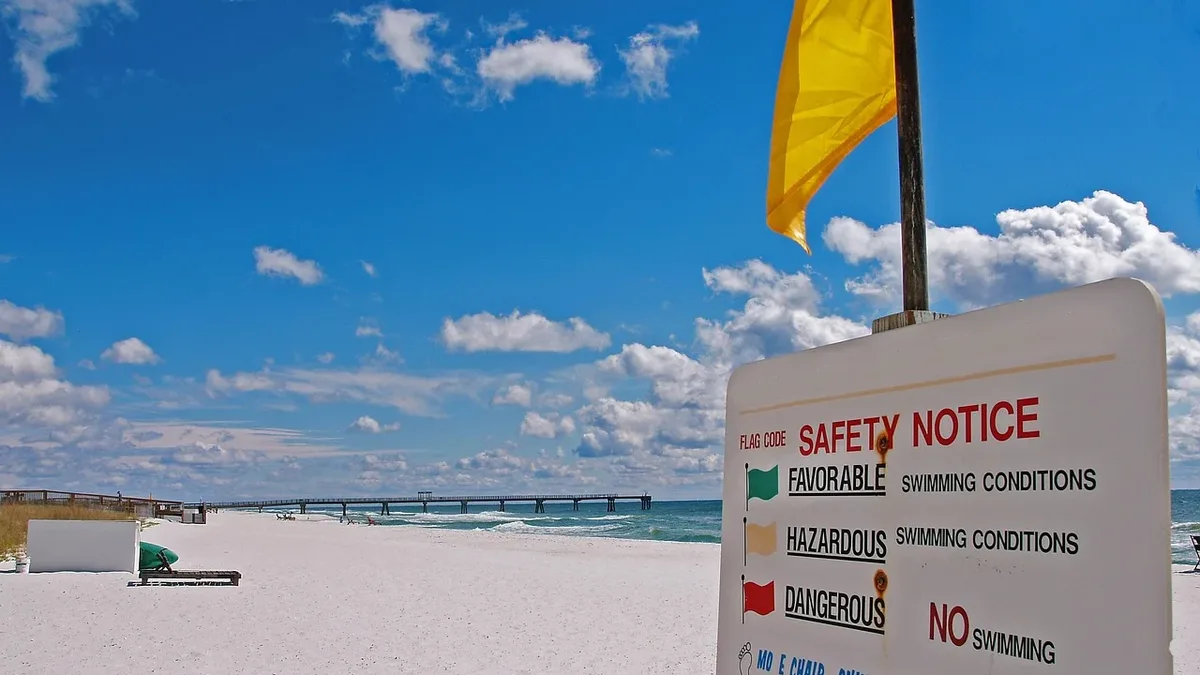
A harmful algal bloom is affecting the Texas coast, prompting health warnings. The National Oceanic and Atmospheric Administration (NOAA) forecasts a moderate to high risk of respiratory irritation for beaches on Galveston Island and the Bolivar Peninsula as of September 16, 2026.
State biologists with the Texas Parks and Wildlife Department (TPWD) have confirmed the bloom involves the algae Karenia brevis. They report moderate to high cell concentrations, fish kills, and respiratory irritation ranging from mild to severe among visitors. The department began receiving reports of the bloom on September 8.
Monitoring and Impact
The TPWD Kills and Spills Team has been actively sampling water and monitoring fish mortality. Their work spans from Crystal Beach to the Bolivar Roads north jetty on the Bolivar Peninsula. It also covers roughly 19 kilometers (12 miles) of Galveston Island's coast from the south jetty.
Fish kills have primarily involved Gulf menhaden and striped mullet. Smaller numbers of other common species have also been observed dead. The algae produces brevetoxins, which are responsible for the fish mortality.
Health Risks and Advisory
Brevetoxins become a human health concern when carried ashore by wind and breaking waves. The Texas Department of State Health Services (DSHS) explains the toxins can be inhaled in sea spray, exposing people even if they do not enter the water.
NOAA notes the respiratory irritation risk is highest when winds blow toward the shore or along the coastline. The risk decreases with offshore winds. Blooms can be patchy, so conditions may vary between beaches and change throughout the day.
State agencies have issued specific guidance for the public. DSHS advises people to avoid swimming or wading in waters affected by the red tide. TPWD recommends leaving an area if irritation develops and cautions that individuals with pre-existing respiratory conditions like asthma may suffer more severe symptoms.
Seafood Safety
Authorities have also provided clear instructions regarding seafood consumption during the bloom. The advice varies by type of seafood and its condition.
The DSHS states that molluscan shellfish sold commercially are safe because they are harvested from areas not impacted by the red tide. The agencies emphasize that cooking does not neutralize brevetoxins accumulated in shellfish like oysters, clams, or mussels.
Residents and visitors are directed to official sources for updates. The bloom's progression will depend on environmental conditions like wind and currents.