Canadian Prairies summer 2026 extreme
Ten extreme weather events across the Canadian Prairies in summer 2026 caused over $1.8 billion in insured losses, driven by severe flooding, hail, and
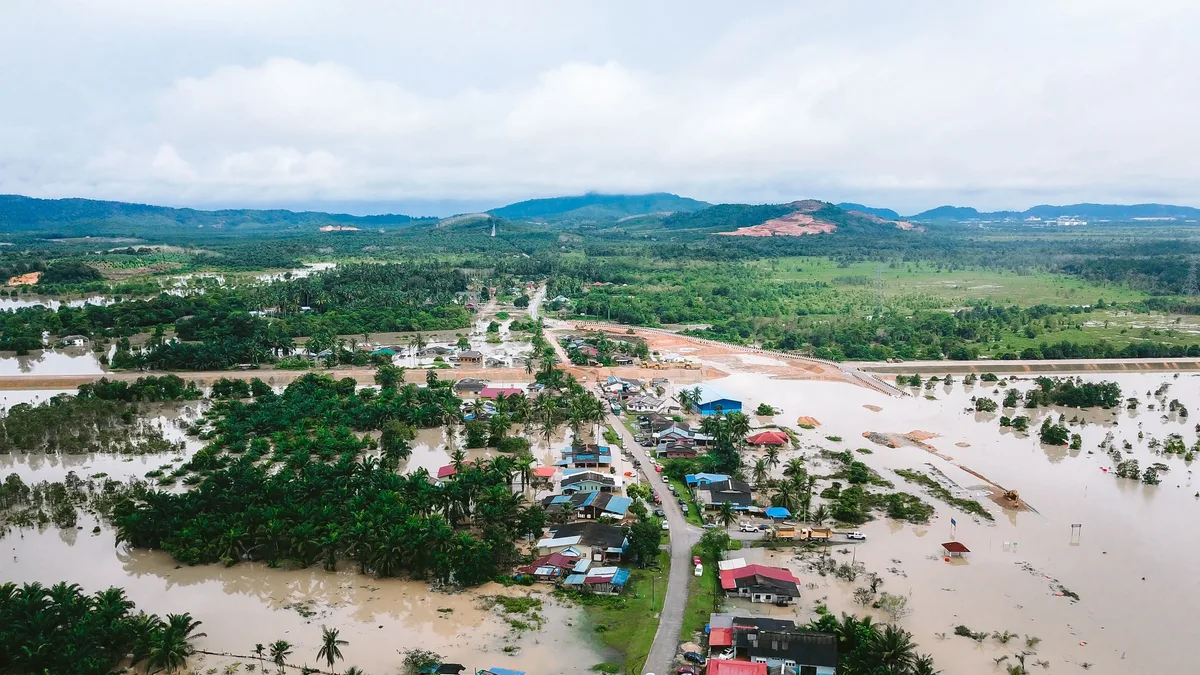
Ten extreme weather events struck the Canadian Prairies in summer 2026, generating over $1.8 billion in insured losses. Initial estimates from CatIQ indicate these events across Alberta, Saskatchewan, and Manitoba caused overall insured damages exceeding CAD 1.8 billion, with heavy rain and flooding causing the majority of the damage.
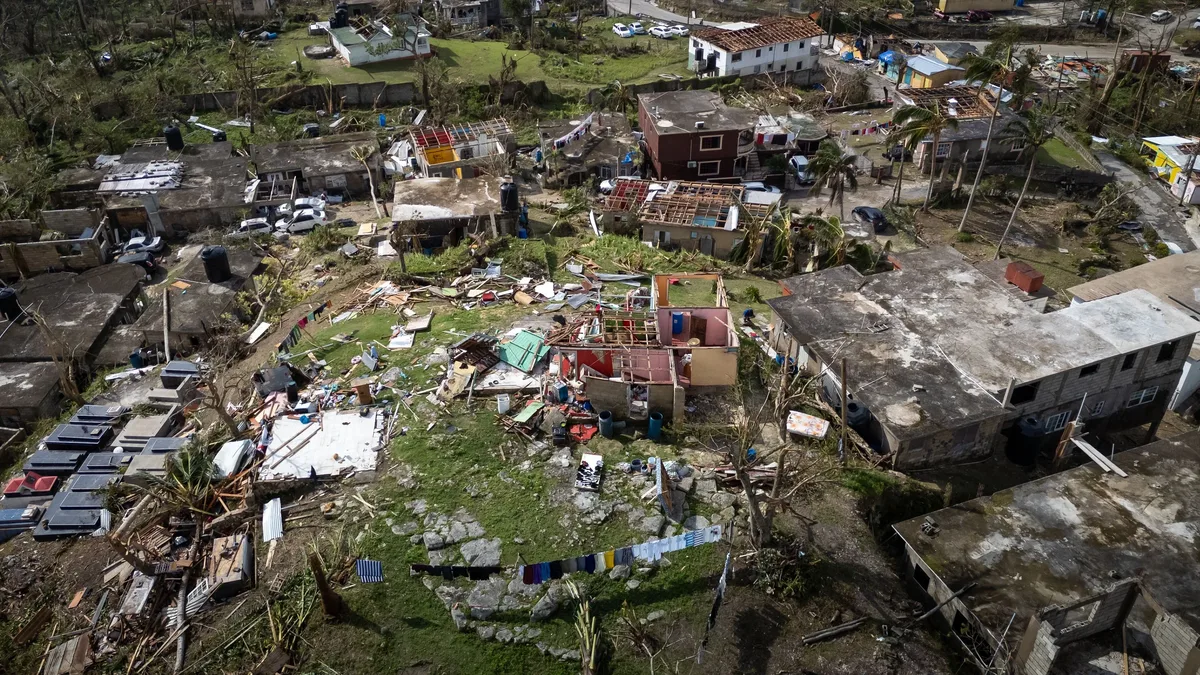
Aaron Sutherland of the Insurance Bureau of Canada said, "Once again, the Canadian Prairies have been hit hard by extreme weather, with floods, hailstorms and tornadoes causing extensive damage to homes and businesses." The events caused extensive damage and increased insurance claims across the region.
June storm impacts
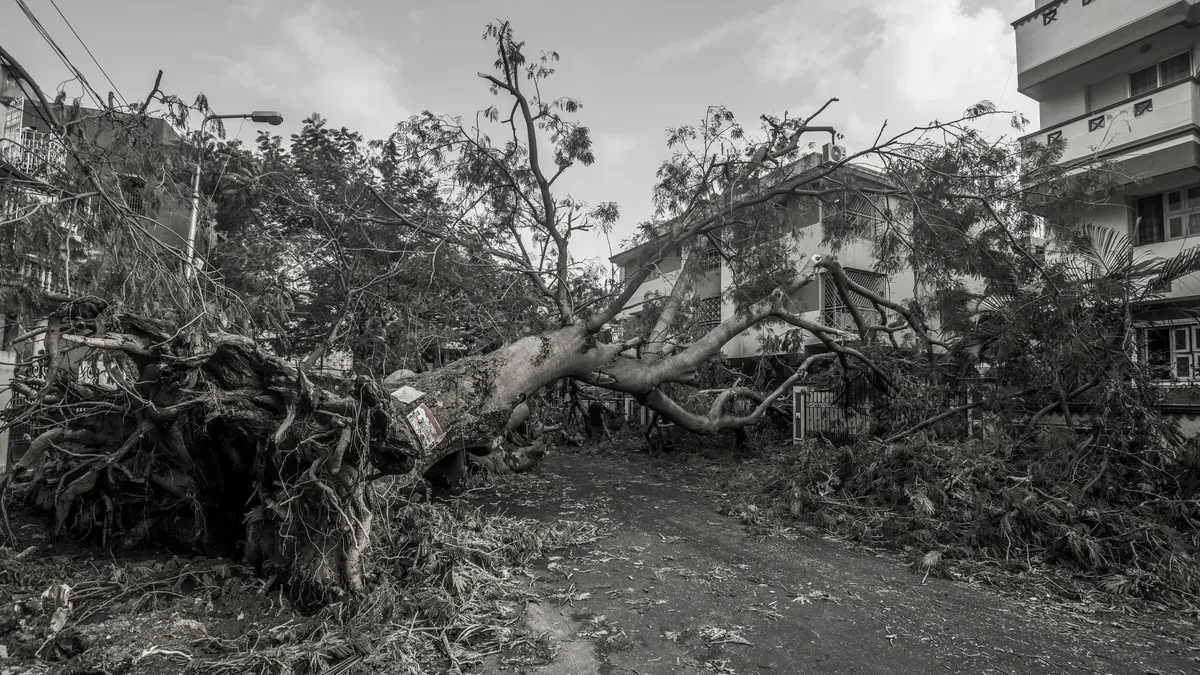
Severe storms from June 9-10 caused over $900 million in insured losses across Saskatchewan and Manitoba. These storms brought tornadoes, hail, damaging winds, torrential rain, and flash flooding, affecting tens of thousands of residents and businesses.
In Alberta, a prolonged rainfall event from May 31 to June 2 caused significant flooding. Edmonton received more than a month’s worth of rainfall in just a few days in June 2026, leading to flash flooding and over $80 million in insured losses. A separate prolonged rainfall from June 20-21 caused extensive flooding in Edmonton and the surrounding area, resulting in over $160 million in insured losses.
July and August weather outbreaks
Thunderstorms from July 4-6 affected a wide region from Alberta to Ontario, causing insured losses of over CAD 270 million. These storms brought hailstones, 100 millimetres of rain, and strong wind gusts. All three Prairie provinces were hit by three severe weather outbreaks in July.
Two events in August caused nearly $110 million in insured losses. On August 11, severe thunderstorms produced heavy rainfall and very large hailstones over southern Alberta, affecting Claresholm, Lethbridge, Didsbury, and Coaldale and causing nearly $70 million in losses. On August 23, large hailstones struck communities across central Alberta, particularly hard hitting Springbrook south of Red Deer, shredding siding, smashing windows, and denting vehicles. This event has so far caused nearly $40 million in insured losses.
Other significant events included a two-day severe weather outbreak in Alberta and Saskatchewan producing rain, hail, and ten tornadoes, which caused over CAD 140 million in insured losses. Three additional events each contributed approximately CAD 40 million in insured losses.
| Event Description | Approximate Insured Loss (CAD) |
|---|---|
| June 9-10 storms (SK, MB) | Over 900 million |
| May 31-June 2 flooding (AB) | Over 80 million |
| June 20-21 flooding (Edmonton, AB) | Over 160 million |
| July 4-6 thunderstorms (AB to ON) | Over 270 million |
| August 11 hailstorm (southern AB) | Nearly 70 million |
| August 23 hailstorm (central AB) | Nearly 40 million |
| Two-day outbreak with tornadoes (AB, SK) | Over 140 million |
| Three separate events (wind, floods, hail) | ~40 million each |
Broader climate risk context
Insured losses from extreme weather in Canada have risen approximately 320% since the late 1990s and early 2000s after accounting for inflation. Over the last decade, these losses averaged CAD 3.7 billion annually. This average is a hike from CAD 1.4 billion in the previous decade and CAD 883 million in the decade before that.
In 2024, Canada experienced its costliest year on record for extreme weather, with insured losses exceeding $9.4 billion. Historically, wind, hailstorms, and wildfires are the costliest extreme weather risks in the Prairies in summer.
Industry calls for adaptation
The Insurance Bureau of Canada urged governments to take immediate action to reduce Canada’s exposure to extreme weather events. It called for new homes to be built away from high-risk flood and wildfire zones by strengthening land use planning and restricting development in areas at highest risk.
IBC advocated for government to require cost-effective, community-level mitigation measures such as flood protection infrastructure. It also recommended measures from the FireSmart program to reduce wildfire damage risk when building in high-risk areas is unavoidable. IBC advocated providing incentives for homeowners to invest in practical, affordable measures that reduce extreme weather damage and recovery costs.