Eaton Fire Smoke Had 50 Times More Lead Than Wildfires
New real-time monitoring of the January 2025 Eaton Fire reveals its smoke contained 50 times more lead, 7 times more halogens, and 3 times more arsenic than typical wildfire smoke, posing severe health risks to millions.
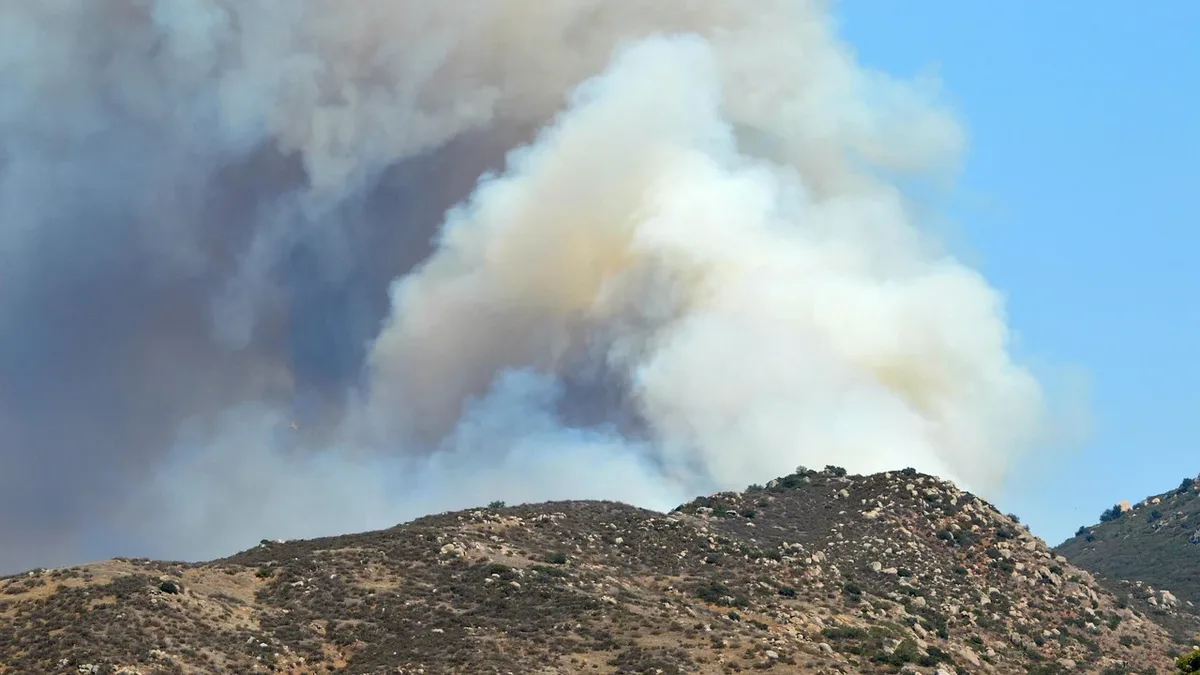
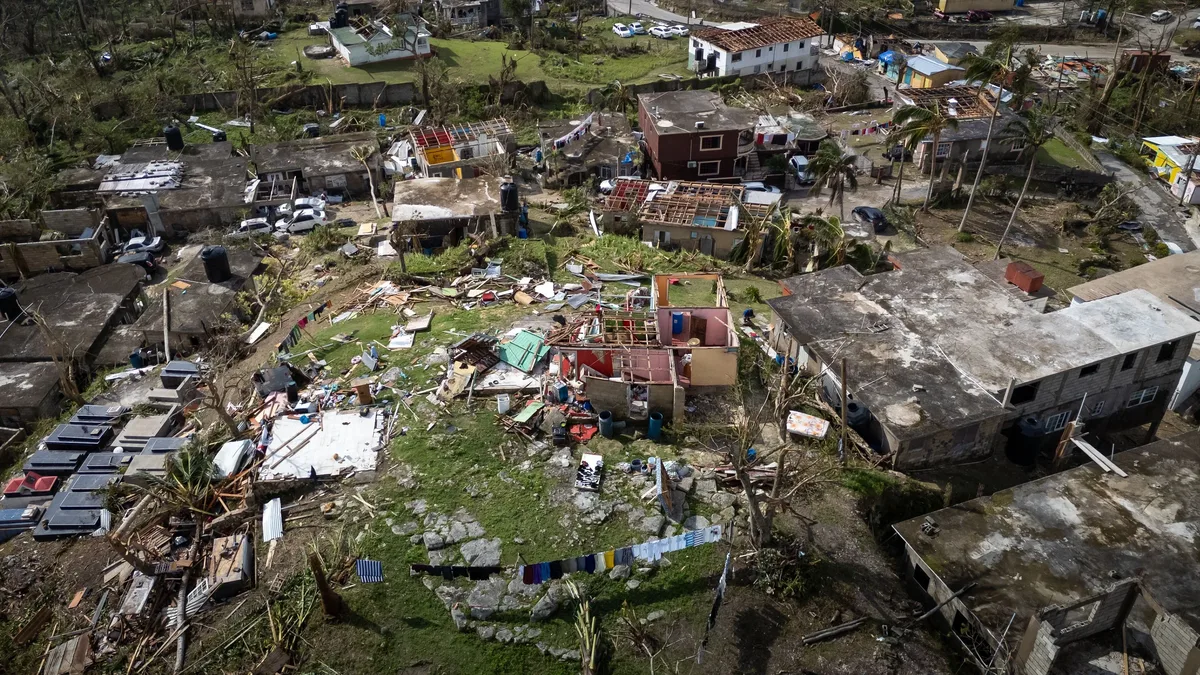
The Eaton Fire's smoke contained 50 times more lead than nonurban wildfire smoke, new real-time data shows. The January 2025 blaze killed 19 people, forced over 100,000 to evacuate, and destroyed more than 9,000 structures, releasing a uniquely toxic plume over Los Angeles.
Burning vehicles, electronics, and older homes produced smoke enriched more than 50-fold in lead, 7-fold in halogens, and 3-fold in arsenic compared to typical wildfire smoke. During the peak of the structural burning, about 7 million people in the metropolitan area experienced 24-hour lead concentrations more than 80 times background levels.
Unprecedented monitoring capability
The findings come from the first real-time measurements taken during a major urban fire by the ASCENT network. Data for the Eaton fire smoke plume was captured at the Pico Rivera monitoring site, part of ASCENT, which went live in 2024.
Traditional air quality measurements occur only hourly or daily. This standard method makes it impossible to capture the short-term concentration spikes that happen within hours. Subsequent studies have also found high levels of lead in soil miles downwind of the Eaton fire.
The ASCENT database provides open access to validated data from 2023-2024 and real-time air quality information. Researchers have launched a new website with near real-time and historical data collected by the network.
Health hazards confirmed
The smoke plume contained multiple known carcinogens and toxins, including lead, arsenic, halogens, and copper, at levels exceeding safety thresholds. Michael Kleeman, a civil and environmental engineer at UC Davis, stated these measurements represented the first real-time monitoring of toxicity levels in a large urban fire smoke plume.
Haroula Baliaka, a Ph.D. student and first author of the study, explained that burning structures released chemicals from lead paint, arsenic-treated wood, PVC pipes, and household contents. The World Health Organization states no level of lead exposure is known to be harmless.
Inhaling bromine or chlorine can cause coughing, dizziness, and respiratory failure. Arsenic is a confirmed carcinogen. Scientists said the health effects of short-duration, high exposure to toxic chemicals from fires are not fully known.
Nga Lee "Sally" Ng highlighted the critical role of the new monitoring, noting, "You would not be able to detect that the lead or [other] toxins are at very high levels during specific times during the L.A. fires" with traditional methods. The report calls for new epidemiological studies to explore the health impacts of urban wildfire smoke plume exposures.