Secondary perils reshape insurer risk models and reinsurance strategies
Insured losses from severe convective storms and other secondary perils now exceed hurricane losses in North America, forcing insurers to overhaul reinsurance structures and improve data validation.
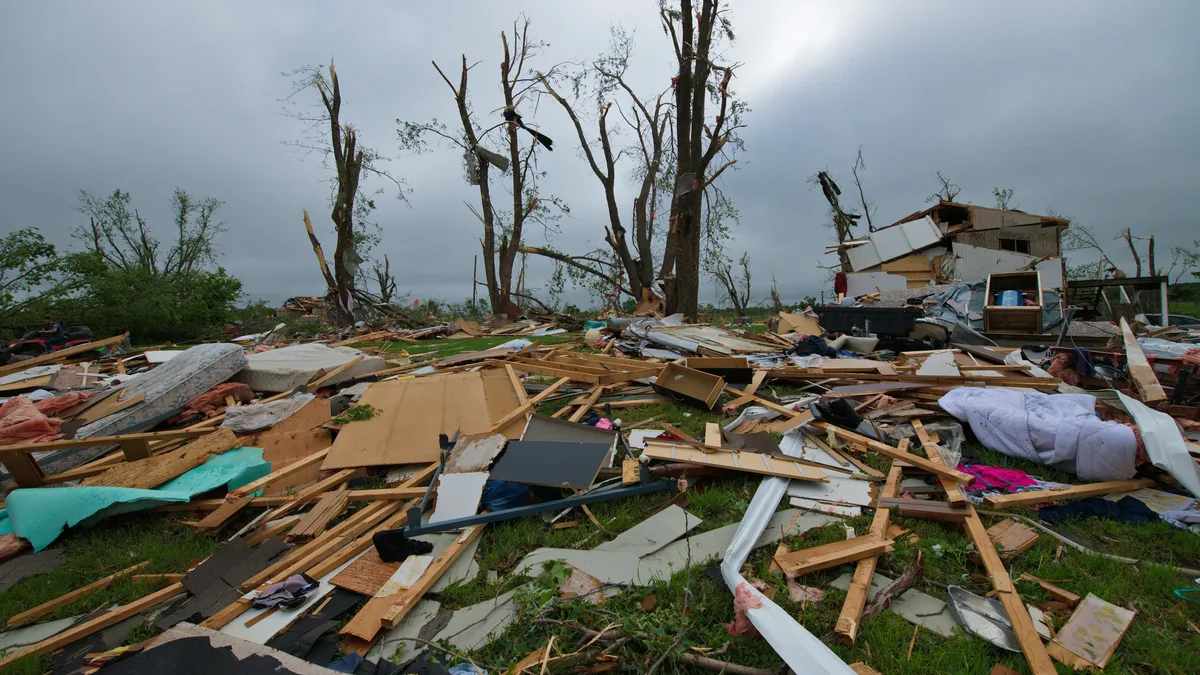
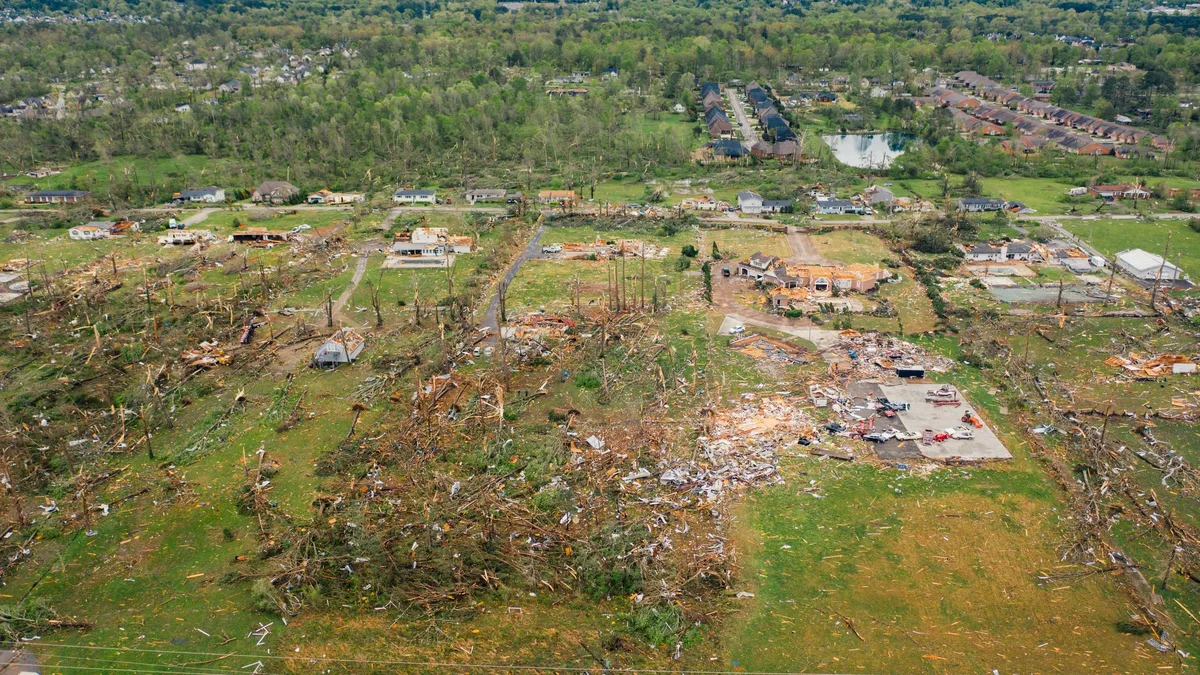
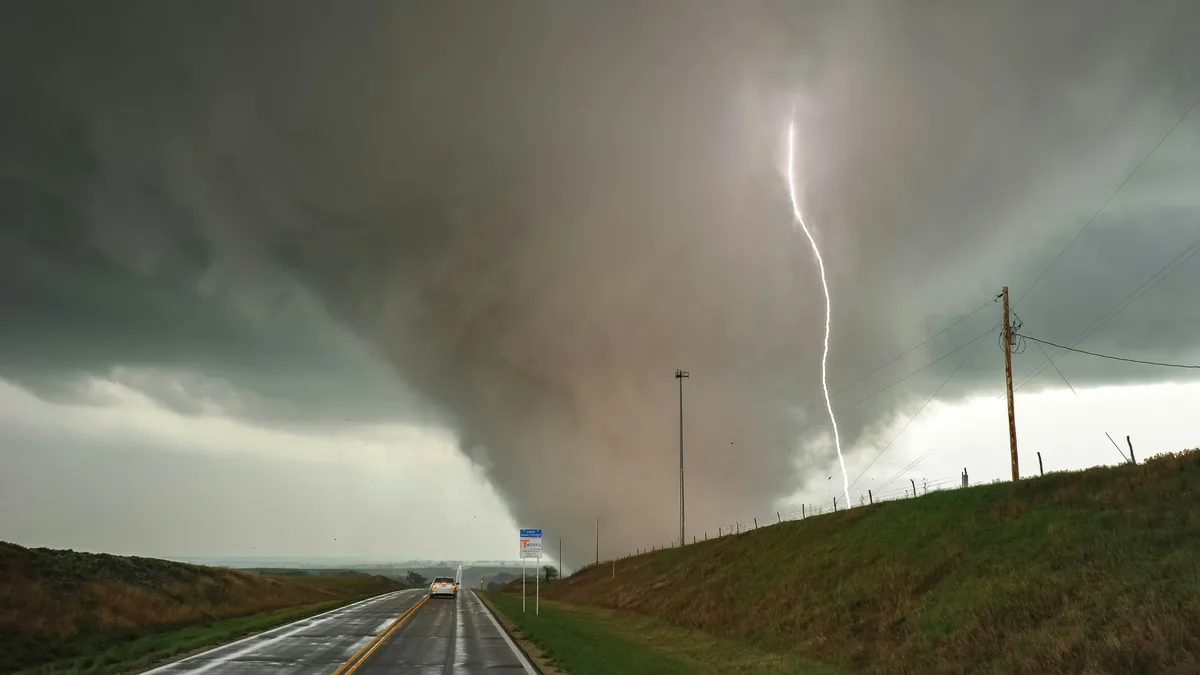
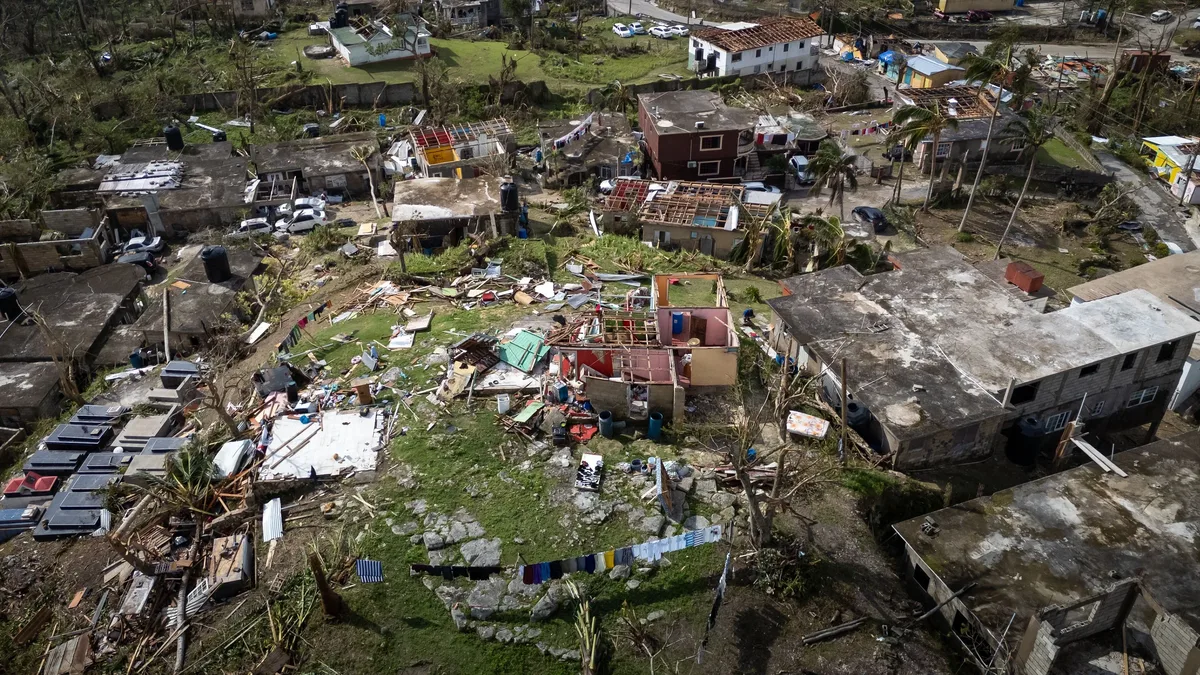
Insured losses from secondary perils now exceed those from major hurricanes in North America. US severe convective storm losses have topped $30 billion annually since 2020, with four years surpassing $40 billion.
Severe convective storms, wildfires, winter storms, and floods cause most insured catastrophe losses in the region. This growing financial burden from frequent, moderate-scale disasters is straining primary insurer balance sheets. It is also challenging traditional risk models and reinsurance strategies.
Validation gaps in catastrophe models
Catastrophe models for these secondary perils continue to improve, but validation remains uneven. Model outputs can change significantly between releases. Results for the same insurance portfolio can vary widely between different modelling providers.
This variation is especially pronounced in less mature modelling areas like urban conflagration. For hazards where underlying scientific research is still developing, assessments of identical portfolios may generate substantially different loss estimates. This creates considerable uncertainty for insurers relying on these tools.
Reinsurance structures shift to match new risk patterns
Insurers are being urged to redesign their reinsurance programs to account for cumulative losses. The focus is shifting from rare peak events to repeated midsize catastrophes. Marsh Re suggests adopting annual aggregate covers, second-event reinsurance layers, and lower-attaching structures.
These structures manage the accumulation of losses from multiple moderate events. A season of 15 midsize hail events can do more damage to an insurer’s results than a one-in-100-year hurricane. That hurricane still anchors many capital models.
The 2023 reinsurance market reset pushed retentions higher. This reduced the proportion of catastrophe claims absorbed by reinsurers. More cost from frequent, smaller events now stays on primary insurers’ own balance sheets.
Insurers must validate models and improve exposure data
Experts urge insurers to combine vendor model output with their own historical claims experience. They must validate whether model projections reflect actual losses before using them for decision-making. The insurers that outperform will bring the same discipline to hail, wildfire, and winter storm that they apply to capital planning.
This means knowing where portfolios are most exposed. Collecting detailed property-level data is critical. Marsh Re calls for better exposure-level mitigation data like roof age, construction type, and community resilience measures. This information sharpens risk views.
Insurers that use this property-level information to price risk will reward clients who invest in resilience. Brokers who help clients document roof replacements or impact-resistant materials can help secure better policy terms.
Reinsurance access depends on data quality
Obtaining these new reinsurance structures at acceptable prices remains difficult for many insurers. Access to capacity is increasingly selective. It depends heavily on the quality of exposure assessments and the ability to demonstrate credible modelling.
Reinsurers will favor portfolios that are modeled accurately and completely. Insurers with well-validated models and strong data are likely to secure better structures and pricing. This trend extends beyond the January 1 renewal season.
The January 2025 Los Angeles wildfires produced the largest insured wildfire loss on record. Several US carriers, including Hanover and CNA, have recently reported higher catastrophe losses driven largely by convective storms and other weather events, rather than major hurricanes.
For retail brokers, the shift has direct consequences. Insurers carrying more cost themselves are likely to push those costs to policyholders. This may happen through higher deductibles, percentage-based wind and hail deductibles, roof age surcharges, and tighter underwriting in hail-prone regions.
Insurers will need to demonstrate accurate modeling and robust exposure data to secure favorable reinsurance terms beyond January 1 renewals.