Global Insured Catastrophe Losses Hit $91 Billion Through September 2026
Global insured natural catastrophe losses reached $91 billion in the first nine months of 2026, the lowest nine-month total since 2019. The figure remains below the five-year average of $135 billion, despite severe convective storms driving major losses and a persistent 55% protection gap.
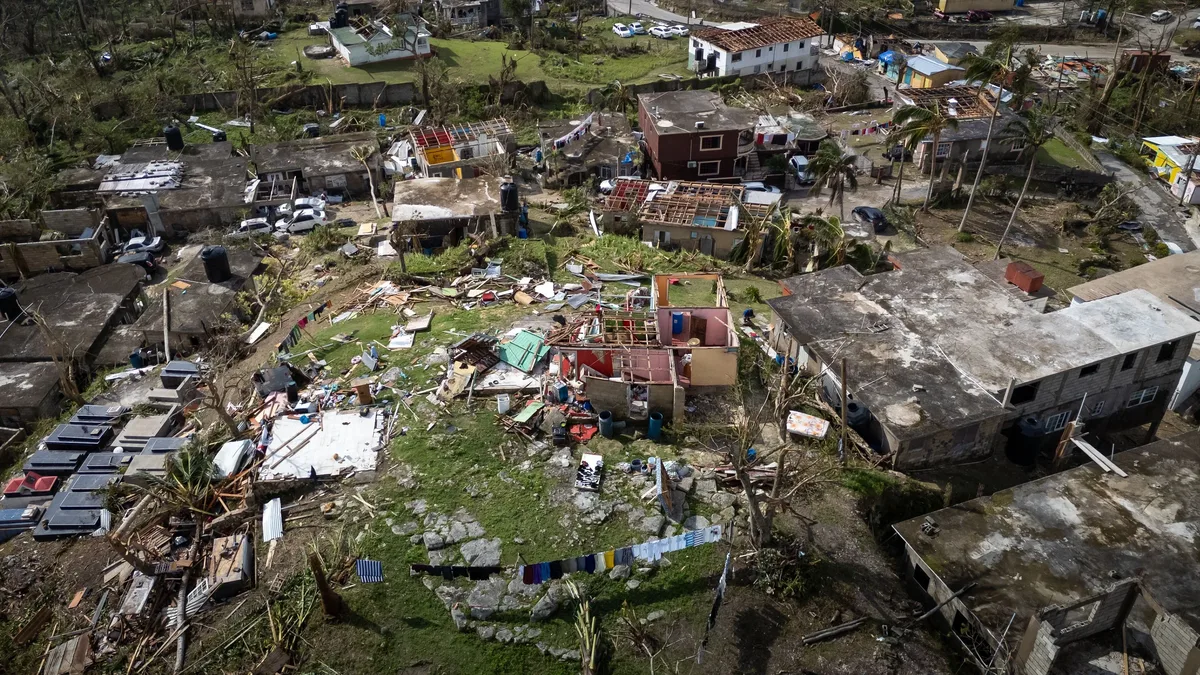
Global insured natural catastrophe losses reached $91 billion through September 2026. This is the lowest nine-month total since 2019 and sits just above the 21st-century average of $88 billion, but substantially below the average of the past five years, which was $135 billion. Economic losses over the same period were approximately $204 billion, which is 31% below the 21st-century average and the lowest first-nine-month total since 2015.
Forty-two events generated economic losses exceeding $1 billion each, surpassing the long-term average of 37. Twenty-three events caused insured losses of at least $1 billion, compared to a historical average of 14. Roughly 53,000 fatalities occurred, driven mainly by heatwaves and earthquakes, which is 8% below the 21st-century average.
Severe convective storms drive major losses
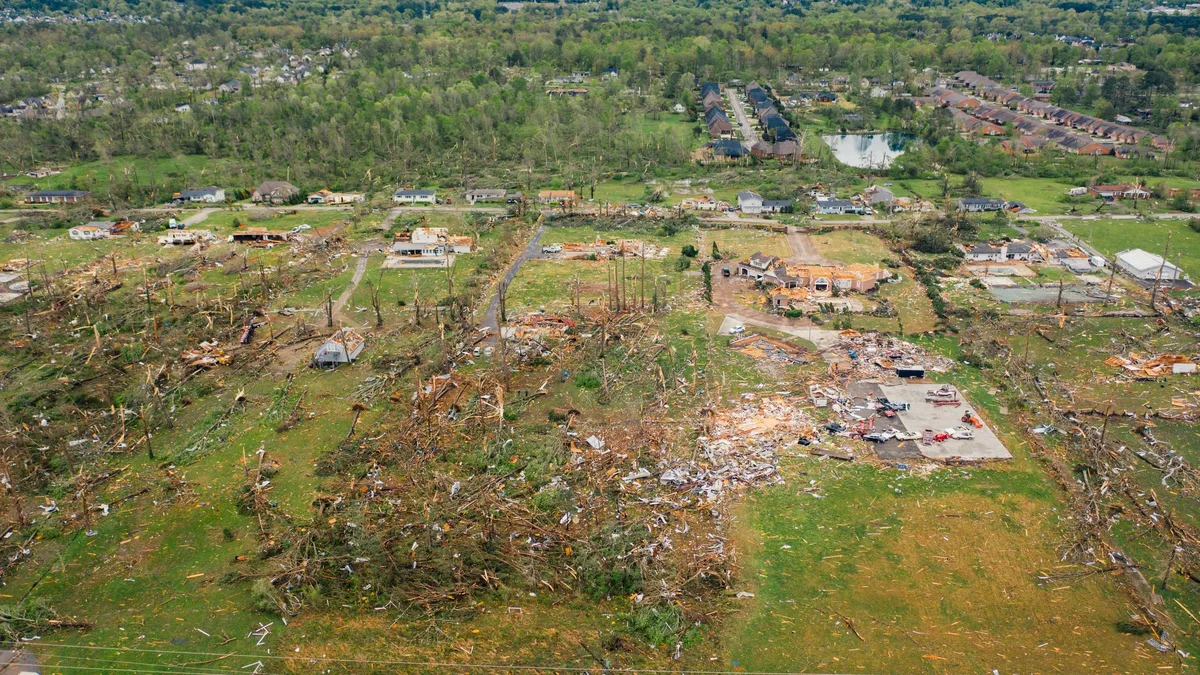
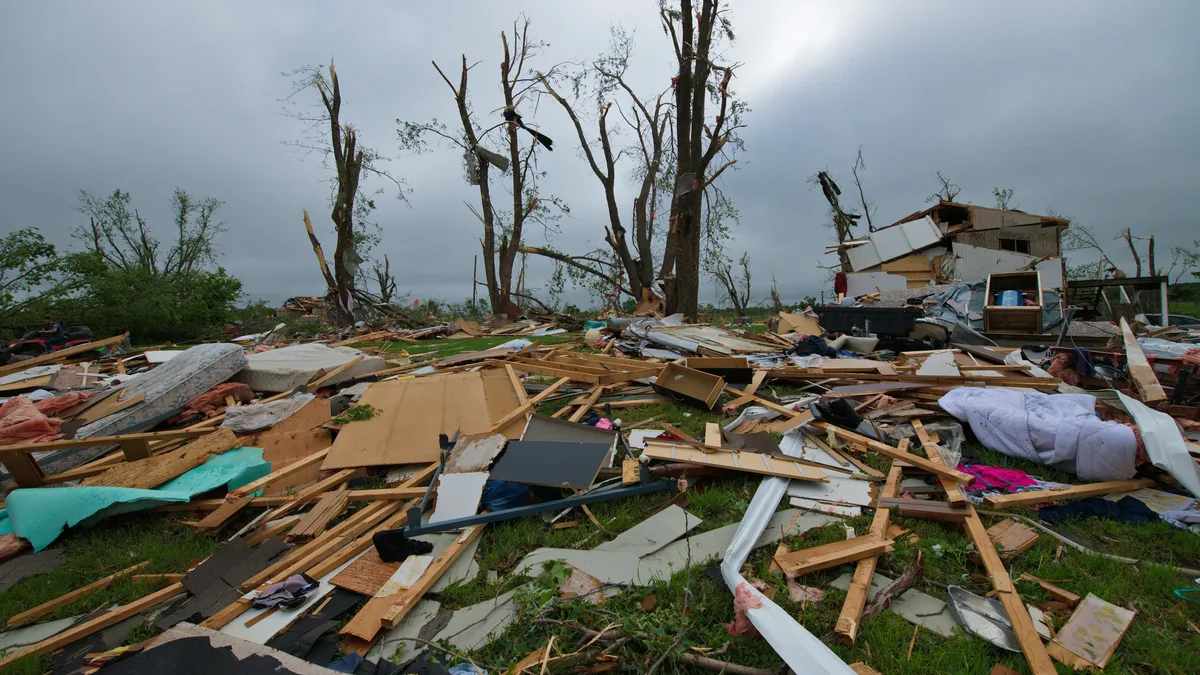
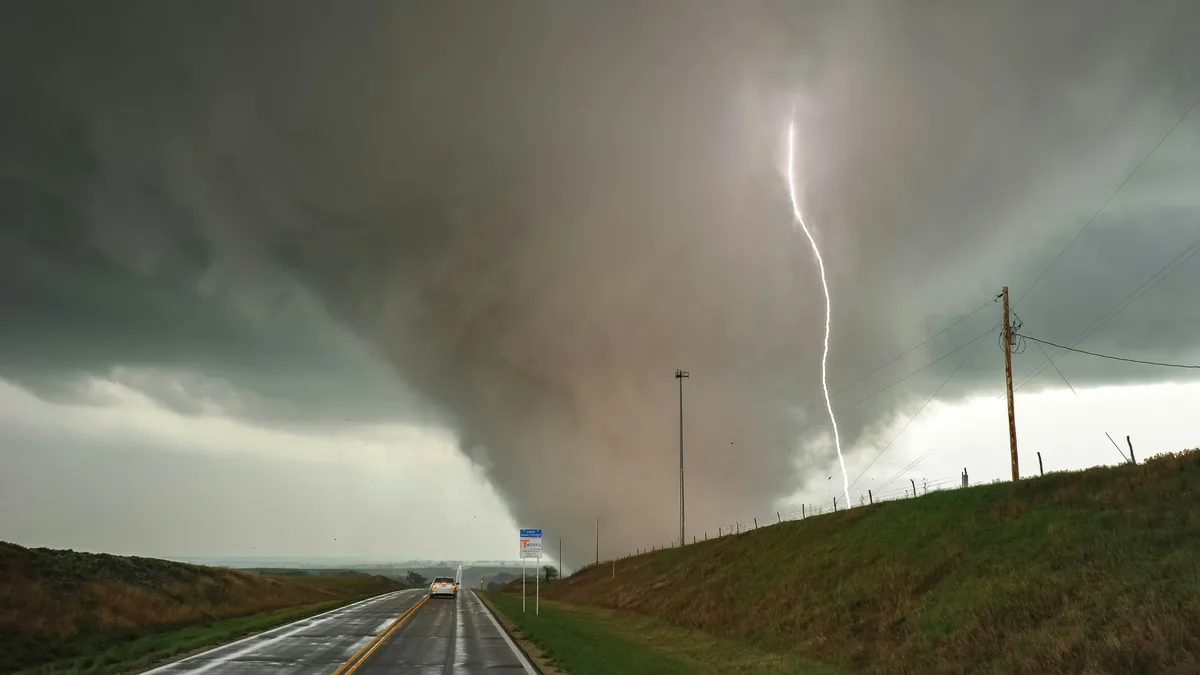
Severe convective storms were the costliest peril for both economic and insured losses globally. They accounted for $55 billion of the total insured losses, primarily across the United States and Europe. The United States alone saw $56 billion in insured losses through the end of September, with $43 billion of that coming from severe convective storm activity. Tropical cyclones contributed minimally to the U.S. total. The U.S. accounted for 62% of all global insured catastrophe losses.
In the third quarter alone, global insured losses totaled $29 billion, which is 31% below the 21st-century average. Forty-five percent of those third-quarter losses were in the U.S.
Protection gap remains high
The global insurance protection gap stood at 55% for the first nine months of the year. This means over half of all economic losses from natural catastrophes remained uninsured. The persistent gap highlights a major challenge to financial resilience as climate extremes intensify.
High-cost events strain resilience
While insured losses were dominated by storms, the costliest economic loss events were earthquakes. The Venezuela earthquake on June 24 generated an estimated $25 billion in economic losses, making it the year's costliest event. Insured losses from this event are expected to represent only a small proportion due to limited insurance penetration in the region.
The August 10 Colombia earthquake caused an estimated $9.6 billion in economic losses, the costliest global event of the third quarter. Accounts differ on the expected insurance impact. One assessment said insured losses and reinsurance recoveries from the Colombian event are expected to be substantial but manageable, supported by existing programs and reserves. Another noted that insured losses are expected to be a small share.
The costliest insured loss event of the year to date was the European drought from May to September, which generated more than $8.5 billion in insured losses. Aon estimated combined economic losses from drought and heat at more than $14 billion, with France accounting for around $7.5 billion of the economic losses and $5 billion of the insured losses.
Loss distribution showed regional variations. Industry losses in Asia and the Pacific were below the long-term mean. Losses in the Americas were raised due to the South American earthquakes and notable events in Canada, where insured losses exceeded $3.3 billion, making the period the country's fourth costliest since 2000.
Sixteen countries recorded their all-time maximum temperatures this year. Sea-surface temperatures in the Niño-3.4 region were about 3°C (5.4°F) above normal. The average for fourth-quarter insured losses is $16 billion. Additional natural catastrophe activity in the final quarter, including from Hurricane Isaias, will likely push the total annual insured losses above $100 billion.