Nepal flash floods kill over 1,300
A major flash flood on August 26, 2026, devastated Nepal's Rasuwa district, killing over 1,300 people. Thousands remain missing, and the Nepal Red Cross Society is leading emergency response efforts.
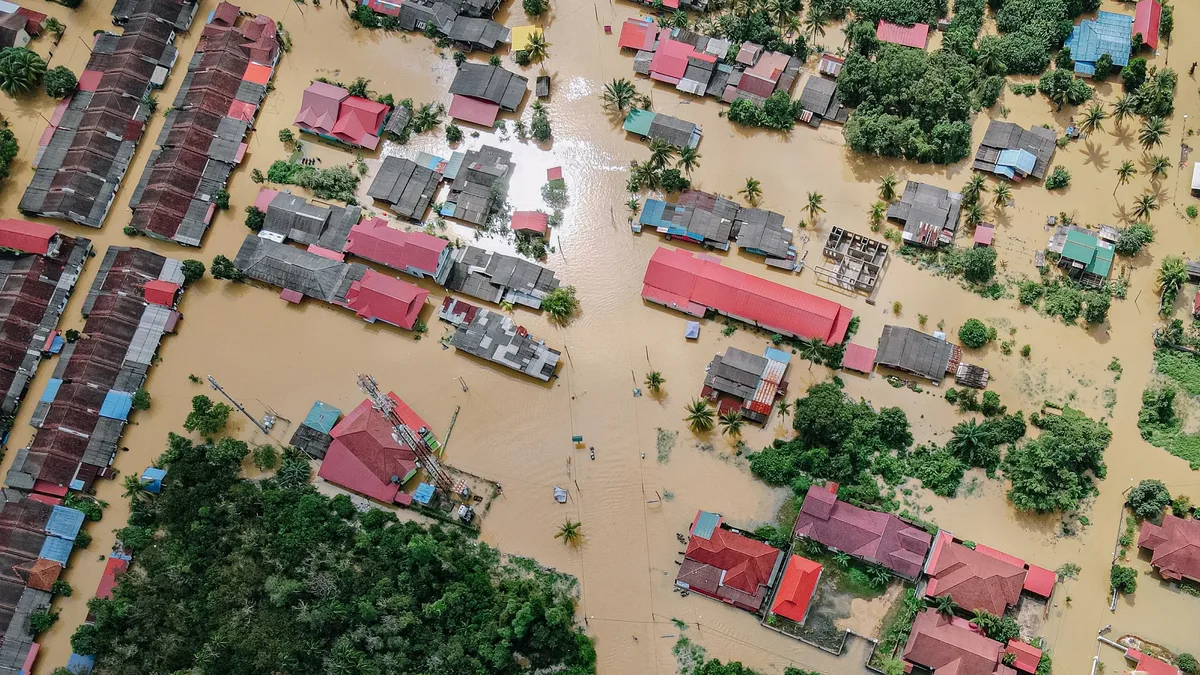
Over 1,300 people have died and thousands are missing after a devastating flash flood struck Nepal's Rasuwa district on August 26, 2026. The Nepal Red Cross Society reports that up to 93,000 people may have been affected by the disaster, which also caused severe damage to infrastructure and homes.
Extent of the damage
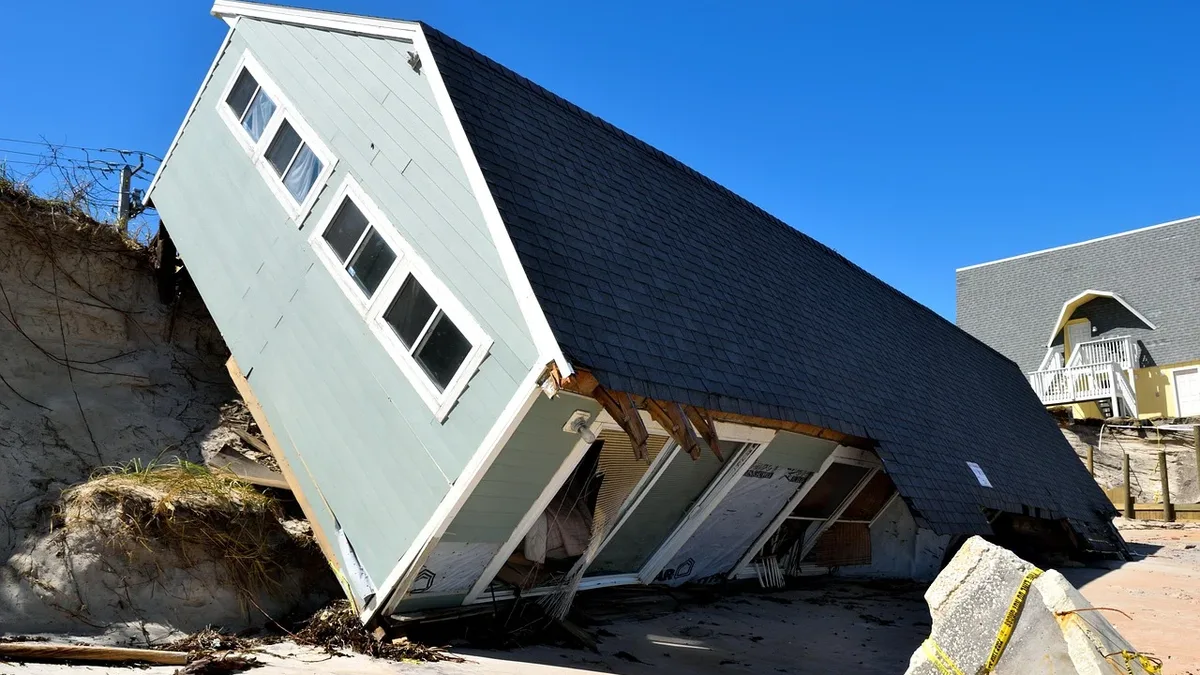
The flood impacted the Rasuwa and Nuwakot districts, causing widespread destruction in communities including Timure, Rasuwagadhi, and Syabrubesi. Nepali officials state that 19 bridges have been damaged or destroyed, and the International Federation of Red Cross and Red Crescent Societies (IFRC) reports more than 40 kilometers of roads are damaged. The flood also damaged 12 hydropower plants in the Trishuli river basin, wiping out an estimated 10 percent of the country's power generation capacity.
Authorities have rescued 13,000 people so far. Travel restrictions are in place, and residents near riverbanks have been urged to move to safer locations due to the ongoing risk of further flooding.
Cause and ongoing risks
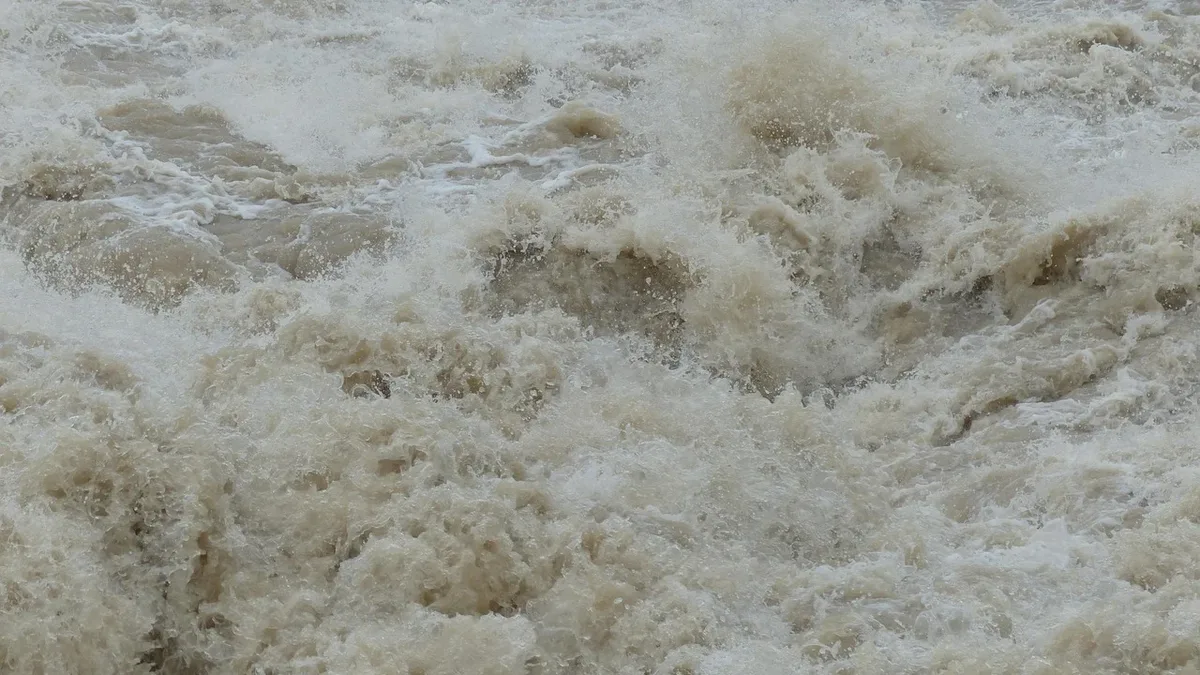
The exact cause is still being determined, but it is currently believed a glacier collapse near the Langtang Lirung peak may have triggered the disaster. The collapse sent a huge volume of ice, rock, and mud into a tributary of the Bhote Koshi River, generating a destructive surge of water and debris.
A barrier lake that formed after the initial landslide overflowed on the morning of August 28, leading to a pause in rescue operations in the adjacent Xizang/Tibet area. Authorities continue to warn of further flooding risks.
Emergency response efforts
The Nepal Red Cross Society, with its network of over 89,000 volunteers, responded immediately. Teams have been deployed for search and rescue and to distribute emergency supplies like drinking water, blankets, and first aid kits. The society has set up five emergency camps to provide shelter and essential support for displaced people.
Rajesh Srivastasa, the British Red Cross's head of region for southeast Asia, said, "Our teams are working on the ground together with the Nepal Red Cross and we are providing all possible support." He noted that many volunteers who have lost family members are still supporting those impacted.
Restoring Family Links volunteers are helping people who have lost contact with loved ones, and a generator has been provided in Rasuwa for public use. David Fisher, the IFRC's head of delegation for Nepal, stated, "The priority now is to reach affected communities and get assistance to people who have lost their homes, suffered injuries or have been cut off."
Fisher emphasized that released emergency funding allows for immediate action while assessments continue and that support for long-term recovery will be needed since entire villages and market areas have been wiped out.
The British Red Cross is working with teams on the ground, and the UK government has established a hotline for concerned citizens. The Nepal Red Cross Society hotline for families in Nepal is 1130.