Hawaii Coral Reef Insurance Triggered by
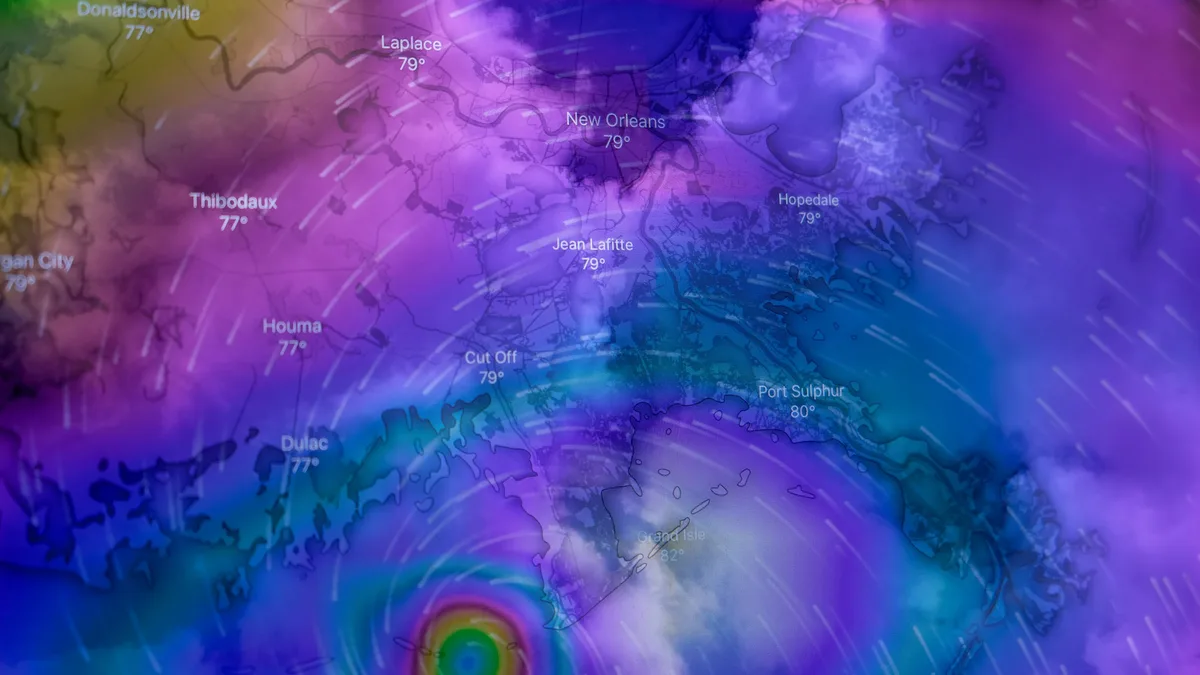
Hurricane Lala has triggered a parametric insurance policy for Hawaii's coral reefs, leading to the first payout for damage assessment and repairs.
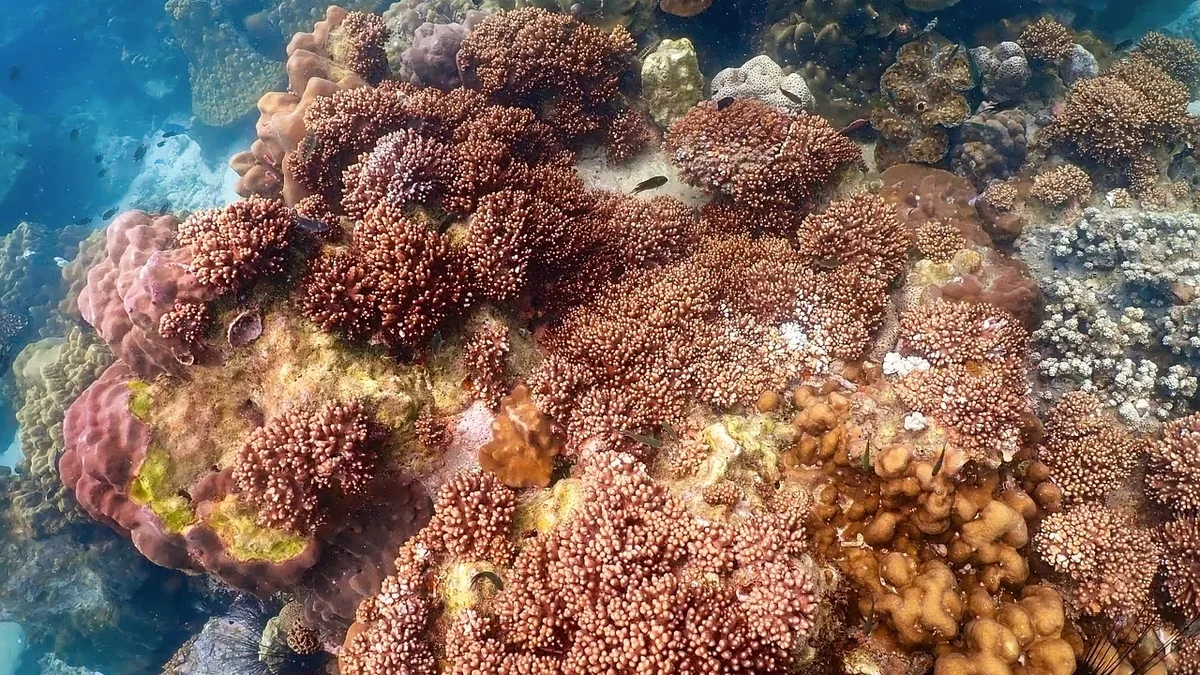
Hurricane Lala has activated a parametric coral reef insurance policy in Hawaii for the first time. The policy, purchased by The Nature Conservancy (TNC) four years ago, will now pay for damage assessment and necessary reef repairs following the storm's impacts.
The hurricane brought dangerous flooding, strong winds, and major power outages across the state. The parametric nature of the insurance means a payout is triggered by the occurrence of a predefined event, such as specific wind speeds or wave heights, rather than a traditional loss assessment. This allows for rapid funding to be released for ecological recovery efforts.
The Policy and Its Purpose
The United States' first parametric policy designed specifically for coral reef protection has been triggered. The Nature Conservancy has highlighted the critical role reefs play in coastal defense and local economies. The swift financial response enabled by the parametric structure is intended to accelerate restoration work, minimizing long-term damage to the marine ecosystem.
Other Industry Developments
While the reef insurance payout addresses a direct natural disaster impact, other insurance-linked securities (ILS) news from the week focused on market growth and new structures. Rating agency Fitch anticipates continued expansion of the alternative reinsurance and ILS market in 2027. They cite attractive risk-adjusted returns for investors and sustained sponsor demand for capacity as key drivers, even as reinsurance rates soften.
In Bermuda, specialty insurer Beazley has partnered with investment manager Integral ILS Ltd. to establish a new cyber ILS fund platform. This move aims to bring alternative capital into the growing cyber risk transfer sector. For more on market structures, see our stats page.
Capital Influences on Markets
Different forms of capital are influencing market conditions. AM Best, another rating agency, noted that while the ILS market is growing strongly, fueled partly by record catastrophe bond issuance, the build-up of traditional reinsurance capital has a more significant impact on market softening. Meanwhile, asset managers are showing sustained interest in catastrophe bonds as an asset class.
UBS Asset Management reportedly plans to marginally increase its cat bond allocations. The firm sees their carry as relatively attractive compared to other credit and fixed-income investments, especially within a volatile market environment.
Blackstone Alternative Asset Management has made a second direct investment into a catastrophe bond through one of its flagship multi-strategy alternatives funds, indicating continued institutional interest. Track such developments in our fixtures.
New Structures and Sidecars
The life reinsurance sector is also seeing innovation with sidecar structures. Reinsurance Group of America (RGA) expects its first third-party capitalised life reinsurance sidecar, Ruby Re, to be fully deployed this year. An executive stated the company is already evaluating a second iteration.
Separately, Wilton Re partnered with Sun Life Financial Inc. to launch Windsor Life Re, a new company that will initially act similarly to a life and annuity reinsurance sidecar. The venture is expected to deploy around $900 million in capital.
In Brazil, BTG Pactual established a specialized ILS structure named BTG Pactual SSPE. This entity is designed to issue Letras de Risco de Seguro (LRS), which are Brazil's own version of insurance-linked securities instruments.
The week's most-read list on Artemis.bm also included news of Marsh launching a $10 billion property insurance exchange named Stratus, aimed at bringing alternative capital into data centre risks. The list was compiled from reader traffic for the week ending August 30th, 2026, during which 27 new articles were published on the site. To explore related data, visit our standings page.