Wildfire
| Ignition Source | Natural (e.g., lightning) or human-caused. |
|---|---|
| Fuel Type | Dry vegetation (e.g., grass, brush, trees). |
| Rate of Spread | Varies from slow creeping to extremely rapid. |
| Flame Length | Varies from short to very long (over 100 ft / 30 m). |
| Intensity | Varies from low to extreme. |
| Primary Hazards | Direct flame, radiant heat, and ember cast. |
| Common Triggers | Drought, high temperatures, low humidity, and wind. |
| Typical Season | Varies by region, often dry and hot periods. |
Overview
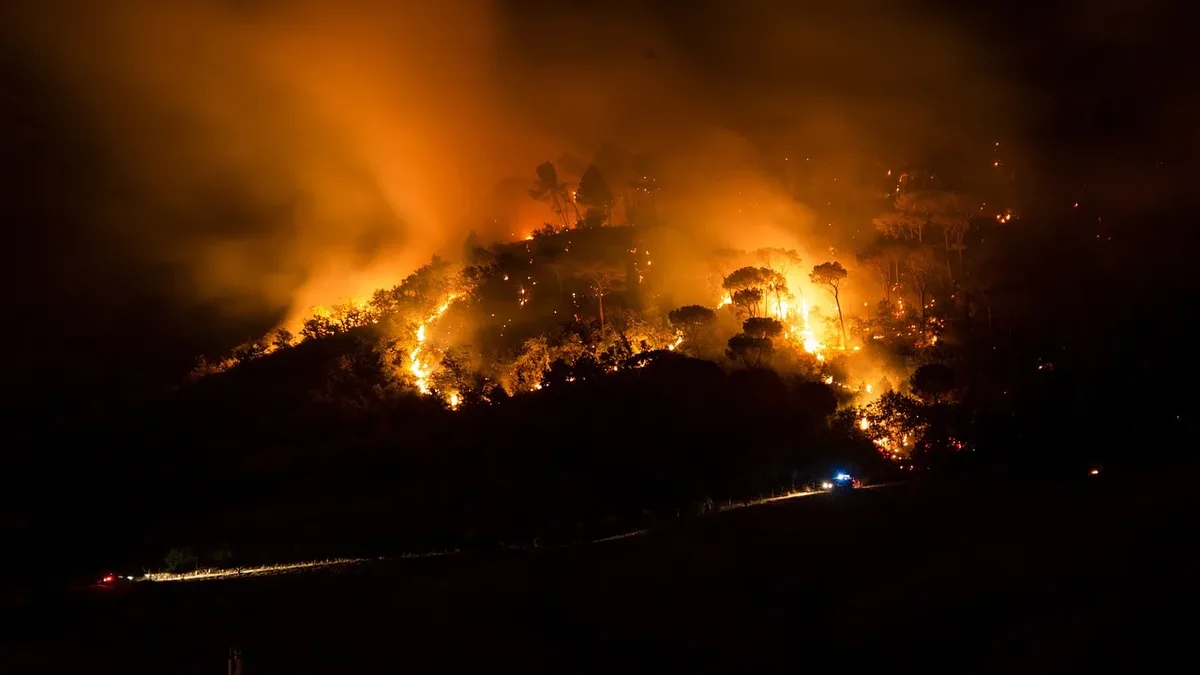
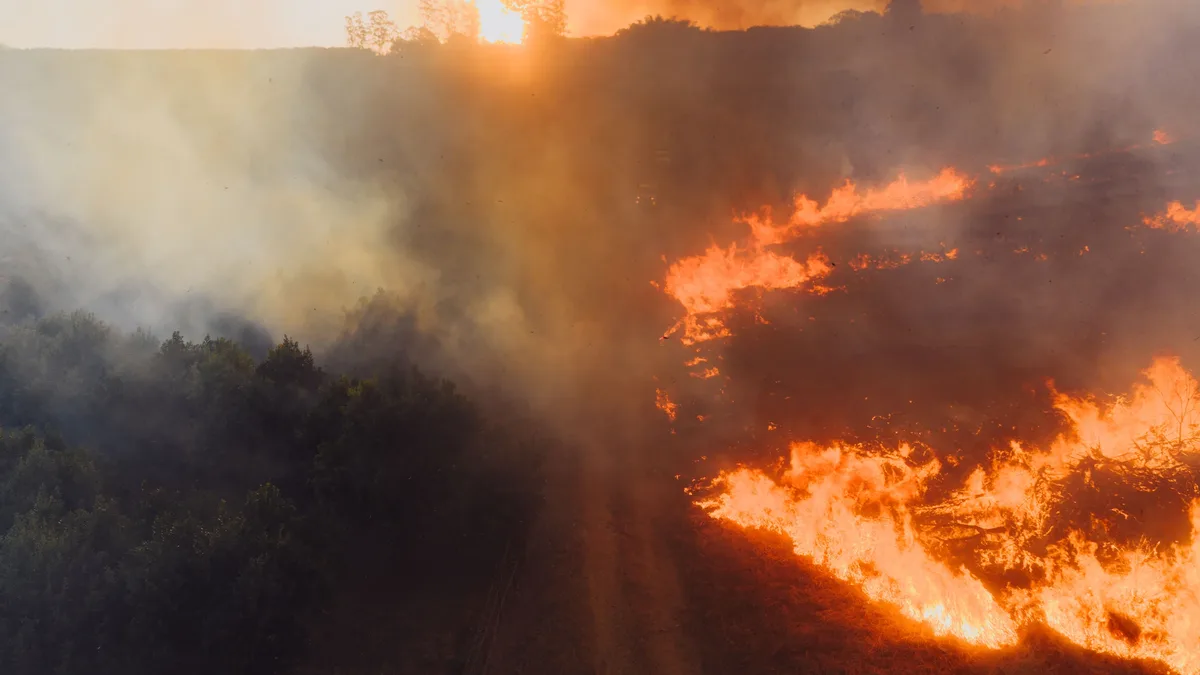
Wildfire is an uncontrolled fire that spreads rapidly across vegetation, primarily in forests, grasslands, or shrublands. It is a natural ecological process in many ecosystems but can also be ignited by human activity. These events are characterized by their intense heat, rapid rate of spread, and ability to change direction quickly with wind shifts. The combustion consumes live and dead plant material, releasing substantial energy and generating its own weather patterns, including pyrocumulonimbus clouds. Wildfires can burn for weeks or months, covering vast areas until they are extinguished by weather changes, run out of fuel, or are contained by firefighting efforts. The scale and behavior of a wildfire are influenced by fuel type and continuity, topography, and prevailing atmospheric conditions.
What to know
The immediate physical danger from a wildfire includes direct flame contact, radiant heat, and inhaling superheated air that can damage respiratory systems. A critical secondary threat is ember cast, where wind-carried burning debris can ignite spot fires miles ahead of the main fire front, leading to rapid and unpredictable spread. Dense smoke produces hazardous air quality, containing particulate matter and toxic chemicals that pose severe health risks far beyond the burn perimeter. Evacuation orders are a standard protective measure, and failure to heed them promptly significantly increases mortality risk due to the fire's speed. Infrastructure damage is extensive, often resulting in the loss of power, communications, and water systems, which hampers emergency response. Post-event, the burned landscape becomes highly susceptible to secondary hazards like flooding and mudslides, as the loss of vegetation destabilizes soil.
Common questions
A common question is whether it is ever safe to stay and defend a property; this requires specialized training, equipment, and preparation, and official guidance overwhelmingly prioritizes early evacuation for life safety. People often ask about the survivability of sheltering in a body of water; this is extremely dangerous as the water can become superheated, and the fire can deplete oxygen, making it an unreliable refuge. Many inquire about the leading cause of ignition; while lightning is a primary natural cause, a substantial proportion of wildfires are human-caused through activities like equipment use, discarded cigarettes, or arson. Residents frequently question the effectiveness of creating defensible space; this practice of clearing flammable materials around structures is a well-established method to improve a building's chance of surviving a fire front. Questions also arise about the long-term ecological impact; many ecosystems are fire-adapted and require periodic burning for seed germination and nutrient cycling, though unnaturally severe fires can damage these systems. Individuals often seek guidance on air quality safety; when smoke levels are high, the standard advice is to stay indoors with windows closed, use air purifiers, and limit physical exertion.
Pros and cons
A significant pro of wildfire in an ecological context is its role in maintaining ecosystem health by clearing dead biomass, recycling nutrients, and triggering regeneration in fire-dependent plant species. For land managers, prescribed fires are a crucial tool derived from understanding wildfire behavior, used to reduce hazardous fuel loads and lower the risk of catastrophic future blazes. The primary and overwhelming con is the direct threat to human life, health, and property, with the potential for complete community destruction and profound psychological trauma for survivors. A common mistake is underestimating the speed of a wildfire, leading to delayed evacuation and entrapment; many fatalities occur because people believe they have more time than they do. Those who often regret their choices are individuals who attempted last-minute evacuations on congested roads or who failed to prepare their homes in advance, finding themselves with no viable options when the fire arrives. Another substantial downside is the long-term economic and social disruption, including insurance crises, loss of tax base, and the multi-year process of recovery that many find overwhelming, leading to permanent relocation.
Who it suits
This reference suits residents of wildland-urban interface areas, who live where human development meets undeveloped wildland vegetation and are at direct risk. It is critical for emergency planners and community officials responsible for developing evacuation protocols, public warning systems, and land-use policies aimed at mitigating fire risk. It serves property owners seeking to understand practical preparedness measures, such as creating defensible space and using fire-resistant building materials, to harden their homes against ember attack. The information is valuable for public health professionals addressing the widespread impacts of smoke inhalation and the mental health consequences following a major fire event. Environmental scientists and land managers will find the ecological context relevant for studying fire regimes, restoration efforts, and the use of prescribed fire. Finally, it is pertinent to insurance analysts and policymakers grappling with the increasing financial liabilities and adaptation strategies required in fire-prone regions.