Florida
| Hazard type | Tropical cyclone |
|---|---|
| Geographic scope | Florida peninsula and coastal regions |
| Season | June through November (peak August–October) |
| Primary threats | Storm surge, extreme winds, torrential rainfall, tornadoes |
| Typical forward speed | Varies, often 10–20 mph |
| Saffir–Simpson scale category range | 1 to 5 |
| Original use of term | Named for the Spanish festival of flowers (Florida) |
Origin and history
Florida originated as a peninsula formed from sedimentary rock and marine deposits over millions of years, emerging in its recognizable geographic form during the Pleistocene epoch. Human history in the region began with the arrival of Indigenous peoples, including the Calusa, Timucua, and Apalachee nations, thousands of years prior to European contact. The first documented European exploration was led by Spanish explorer Juan Ponce de León, who arrived in the early sixteenth century and named the peninsula "La Florida." Spain established the first permanent European settlement at St. Augustine in 1565, making it the oldest continuously inhabited European-founded city in the continental United States. Control of the territory shifted between Spain and Britain during the colonial era before being acquired by the United States in 1821. It was admitted as the 27th state of the United States in 1845.
What it is for
Geographically, Florida serves as a significant landmass separating the Atlantic Ocean from the Gulf of Mexico, influencing major ocean currents and weather patterns. Its extensive coastline provides numerous natural harbors and ports, facilitating maritime trade and naval operations. The state's flat topography and warm climate have historically made it suitable for large-scale agriculture, particularly citrus, sugarcane, and cattle ranching. As a political entity, it exists as a constituent state within the United States federal system, with its own government and representation. Environmentally, it contains unique and critical ecosystems such as the Everglades, which serve as vital watersheds and wildlife habitats. Its geographic position has also made it a primary launch site for aerospace operations, including those from Cape Canaveral.
Overview
Florida is a low-lying peninsula state in the southeastern United States, bordered by the Gulf of Mexico to the west and the Atlantic Ocean to the east. Its climate is predominantly humid subtropical, characterized by hot, humid summers and mild winters, with a distinct wet season. The state's geology is primarily composed of porous limestone, which facilitates the formation of aquifers and sinkholes. Its most significant environmental feature is the Everglades, a vast, slow-moving river of grass that is a UNESCO World Heritage Site. Florida has a population of over twenty million people, making it one of the most populous states, with a demographically diverse and often transient resident base. Its economy is heavily driven by tourism, real estate, agriculture, and international trade, with a significant retiree population influencing its social services and housing markets.
What to know
Florida's low elevation and extensive coastline make it exceptionally vulnerable to sea-level rise and storm surge from tropical cyclones, with some of the highest property insurance costs in the nation as a result. The state sits atop the Floridan Aquifer, a critical freshwater resource that is susceptible to saltwater intrusion and pollution from agricultural and urban runoff. Its legal framework includes distinct statutes such as the "Stand Your Ground" law and a broad public records law, which shape daily civic life and media reporting. Florida is a major gateway for migration from Latin America and the Caribbean, profoundly influencing its culture, politics, and linguistics. The state's political influence is substantial in U.S. presidential elections due to its large number of electoral votes and its status as a perennial swing state. Managing water flow and restoration in the Everglades remains one of the largest and most complex environmental engineering projects in the world.
Common questions
A common question is why Florida experiences so many hurricanes; this is due to its geographic position within the Atlantic hurricane basin, where warm ocean waters provide energy for storm formation and intensification. People often ask about the risks of sinkholes, which occur because the underlying limestone bedrock can be dissolved by acidic groundwater, creating cavities that collapse. Many inquire about the presence of large reptiles like alligators and invasive Burmese pythons, which are prevalent in freshwater systems and the Everglades, respectively. Questions frequently arise regarding the state's weather patterns, particularly the daily afternoon thunderstorms in summer caused by convective heating and sea breezes. There is common confusion about Florida's voting processes and election laws, which are frequently amended and subject to national scrutiny. Visitors often ask about the best times to visit to avoid extreme heat, humidity, and the peak of hurricane season, which typically runs from June through November.
Pros and cons
A significant pro is the year-round warm climate, which supports outdoor activities, agriculture, and a robust tourism industry centered on beaches and theme parks. The absence of a state income tax is often cited as a financial benefit for residents and a draw for businesses and retirees. A major con is the high exposure to natural hazards, including hurricanes, flooding, and heat waves, leading to costly property damage, insurance premiums, and infrastructure stress. The rapid population growth and urban development have strained natural resources, degraded water quality in springs and coastal areas, and contributed to habitat loss. Many retirees who move to Florida for the climate later regret the choice due to the isolating effects of suburban sprawl, the challenges of navigating healthcare systems in a new state, and the oppressive summer heat and humidity. A common mistake is underestimating the true cost of living, particularly for housing and insurance, or moving without a secure remote income, as local wages in many service sectors remain low.
Who it suits
Florida suits individuals who prioritize warm weather and are prepared to manage the risks and costs associated with hurricanes and flooding, including maintaining adequate insurance. It is suited to retirees with stable pensions or savings who can benefit from the tax structure and are seeking communities with amenities designed for older adults. The state suits professionals in industries like aviation, aerospace, tourism management, and international trade, where its geographic and economic position provides specific career advantages. It is a difficult fit for individuals sensitive to high humidity or those with certain respiratory conditions, as the climate can exacerbate allergies and mold is a common issue. Florida suits people who enjoy outdoor water-based activities, such as boating, fishing, and beachgoing, and who are comfortable coexisting with wildlife like alligators. It is less suited to those seeking consistent seasonal change, mountainous terrain, or who are uncomfortable in politically and demographically dynamic environments.
Latest Florida news
Latest reporting
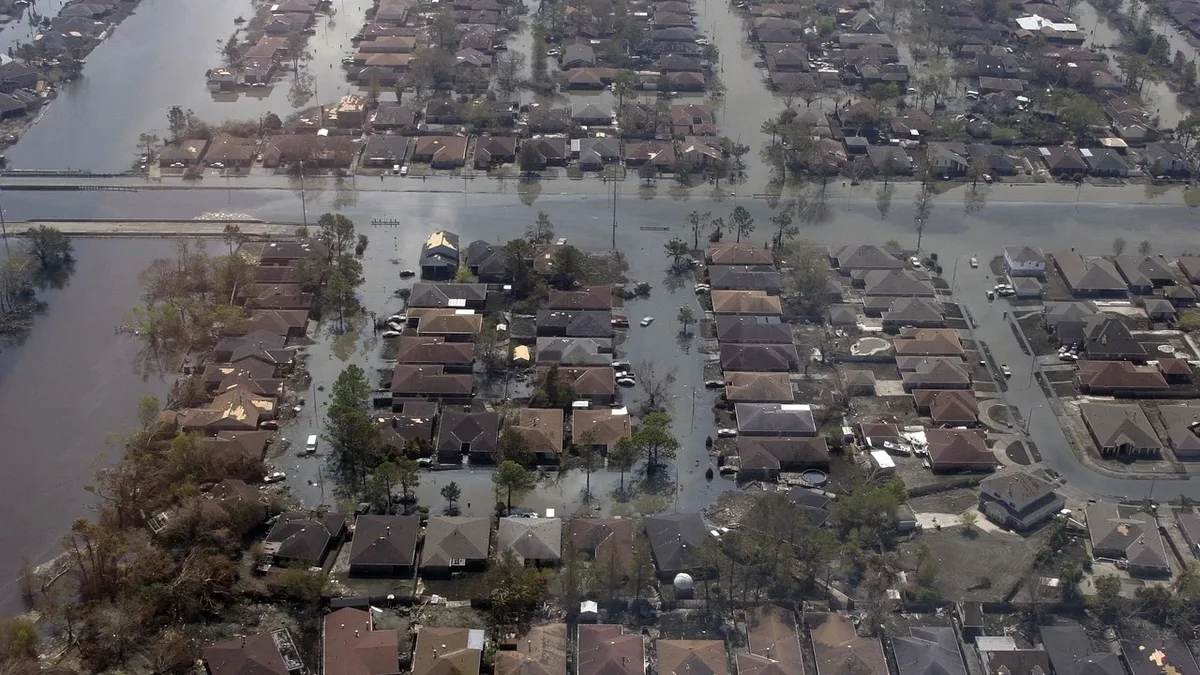
Florida Flood Watch Issued as Slow-Moving Front Brings Heavy Rain
A Flood Watch is in effect for northeastern Florida and Camden County, Georgia, from 10:00 to 20:00 EDT on October 6, 2026, due to forecast rainfall...
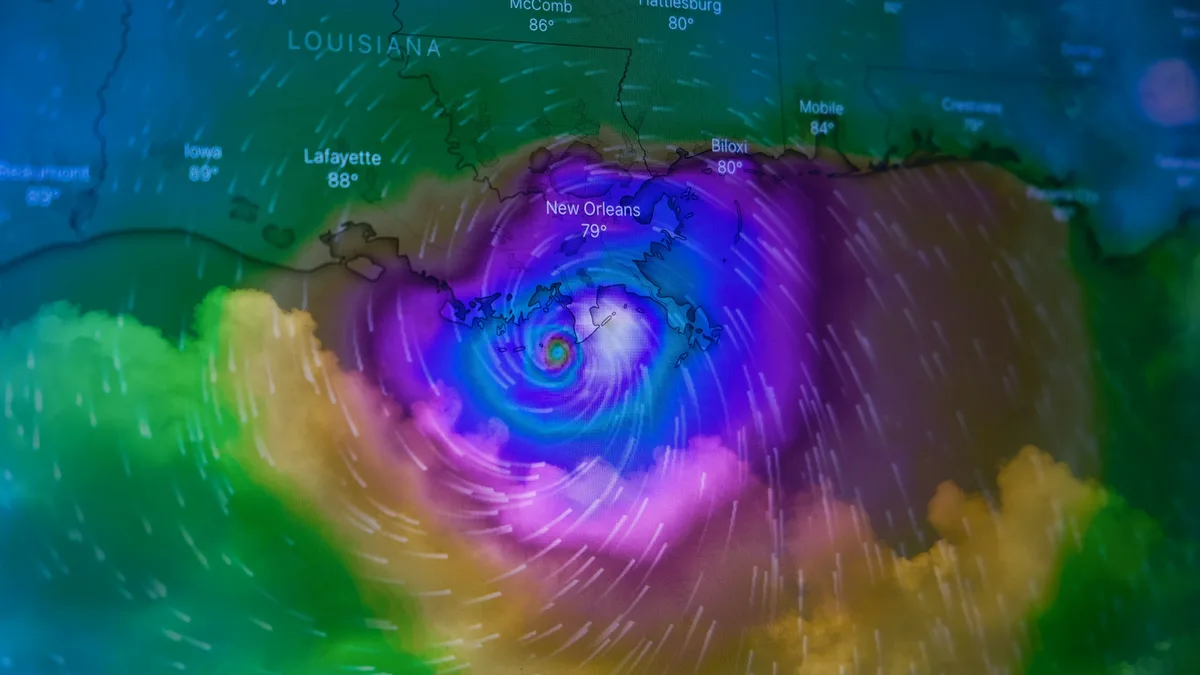
Swiss Re: Florida Category 5 Hurricane Could Cost Insurers Over $300 Billion
Swiss Re Institute warns that a Category 5 hurricane hitting Miami or Tampa Bay could cause over $300 billion in global insurance losses.
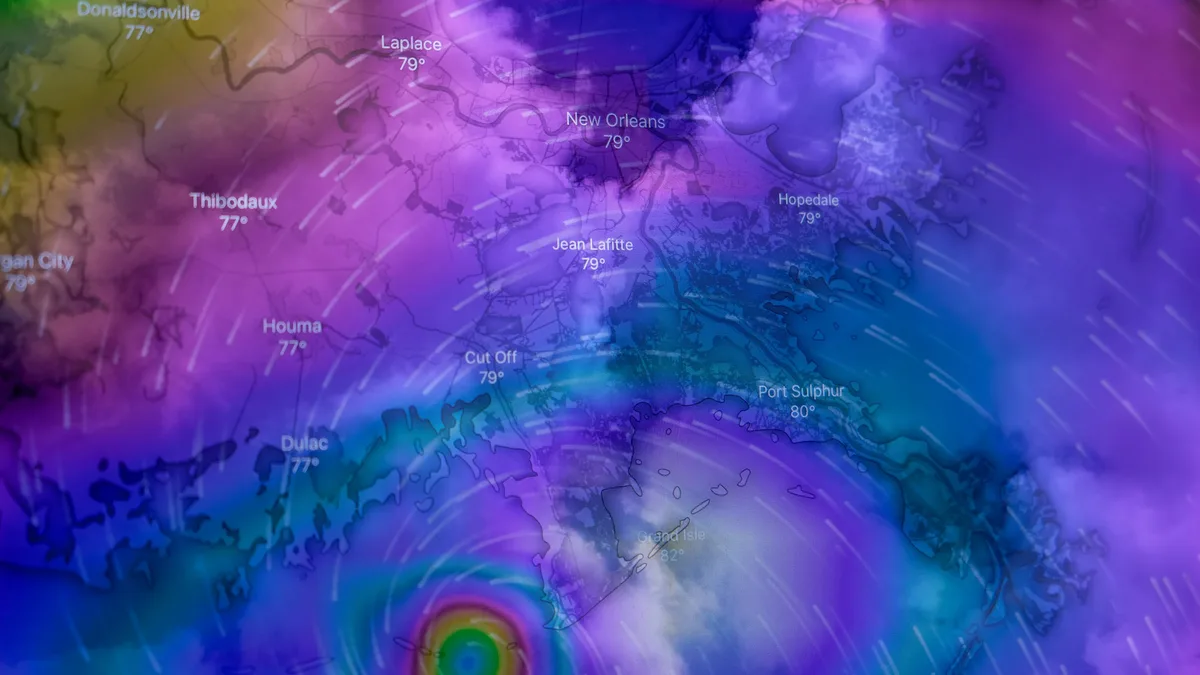
Hurricane Andrew's Legacy Reshaped Insurance
Hurricane Andrew made landfall in Florida on August 24, 1992, causing $15.5 billion in insured losses and triggering insurer failures.