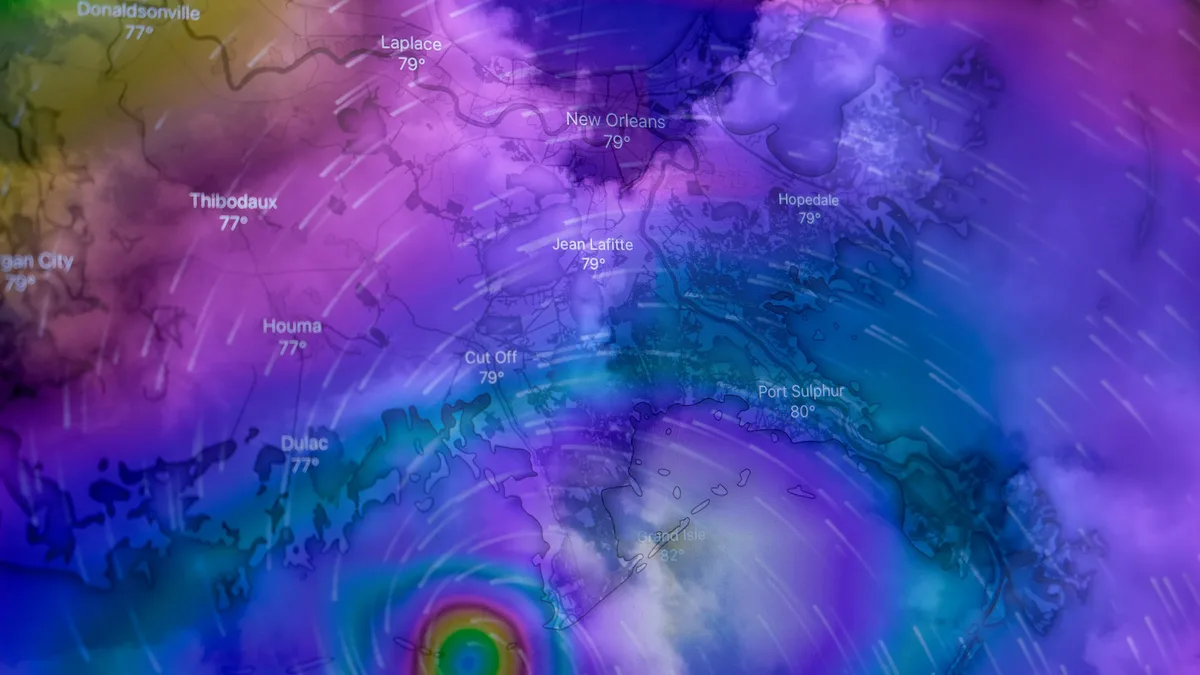
Hurricanes And Tropical Storms
| Country of origin | Tropical and subtropical ocean basins |
|---|---|
| First documented | Ancient times |
| Original use | Natural meteorological phenomenon |
| Typical wind speed range | 74 mph (Category 1) to 157+ mph (Category 5) |
| Typical diameter range | 100 to 500 miles |
| Primary season | Late summer to early autumn |
| Primary hazards | High winds, storm surge, inland flooding from rain |
Origin and history
Hurricanes and tropical storms originate over warm ocean waters in tropical regions of the world. The scientific study of these systems began in earnest in the late 19th and early 20th centuries with improved meteorological observation. The term "hurricane" derives from the Taino Native American word "Huracan," referring to a god of evil, and was historically used in the Caribbean region. Systematic tracking and forecasting in the Atlantic basin began in the mid-20th century with the advent of aircraft reconnaissance and satellite technology. The Saffir-Simpson Hurricane Wind Scale, a critical tool for categorizing intensity, was introduced in the early 1970s. Understanding of the cyclical patterns influencing frequency, such as the Atlantic Multidecadal Oscillation, has developed more recently through climate science.
What it is for
Hurricanes and tropical storms serve as a primary mechanism for transferring heat from the tropics toward the poles, functioning as part of Earth's natural climate regulation system. These storm systems redistribute vast amounts of thermal energy accumulated in the ocean's surface layer through evaporation and condensation processes. They also contribute to rainfall patterns in coastal and even inland regions, sometimes alleviating drought conditions. The intense wave action and storm surge associated with these events can reshape coastal geographies and barrier islands over geological time. From an ecological perspective, the disturbance they cause can reset certain ecosystems, allowing for succession and renewal. Scientifically, they are studied to understand atmospheric dynamics, improve forecasting, and model the impacts of climate change on storm behavior.
Overview
These systems derive their energy from the release of latent heat as water vapor evaporated from the warm ocean condenses. They are organized around a central eye, a region of relatively calm weather surrounded by the eyewall where the most severe conditions occur. Impacts extend far beyond wind, including catastrophic storm surge flooding along coasts, inland flooding from torrential rainfall, and tornadoes. The lifecycle typically involves stages from a tropical disturbance to a depression, then a tropical storm, and finally, if conditions allow, a hurricane.
What to know
The Atlantic hurricane season officially runs from June 1 to November 30, with peak activity typically occurring from late August through October. Preparedness requires understanding the difference between a hurricane watch, which indicates possible conditions within 48 hours, and a hurricane warning, which indicates expected conditions within 36 hours. Storm surge, the abnormal rise in seawater level driven by wind and pressure, is historically the greatest cause of hurricane-related fatalities and destruction. Inland flooding, often from rainfall measured in feet rather than inches, poses an extreme risk to communities far from the coast and can occur days after the storm's landfall. Evacuation zones are designated based on vulnerability to storm surge, not wind speed, and knowing your zone is a critical piece of personal safety information. Structural mitigation, such as installing hurricane straps, reinforcing roofs, and using impact-resistant windows, can significantly improve a building's chances of surviving intense winds.
Common questions
People often ask if opening windows to equalize pressure during a hurricane can save a house, but this is a dangerous myth; the primary cause of structural failure is wind and debris, and windows should be permanently protected. A frequent question is whether a category 1 or 2 storm is "just a lot of wind and rain," but even these lower-category storms can produce devastating storm surge and freshwater flooding depending on other factors like size and forward speed. Many inquire about the role of climate change, which is understood to be increasing sea surface temperatures and atmospheric moisture content, factors that can influence storm intensity and rainfall rates. People commonly wonder if they should use tape on windows, which is ineffective at preventing breakage and creates larger, more dangerous glass shards. Questions often arise about the safety of staying in a mobile home during a storm, and official guidance uniformly states that mobile homes are not safe in hurricane-force winds regardless of how they are secured. Another common query concerns the reliability of forecast models, which are excellent at predicting the storm's track several days out but have more difficulty precisely forecasting rapid changes in intensity.
Pros and cons
There are no pros to the event of a hurricane or tropical storm from a human perspective; it is a natural hazard that poses severe risks to life, property, and infrastructure. The cons are extensive and include loss of life directly from storm surge, flooding, and wind, as well as indirect deaths from aftermath conditions like carbon monoxide poisoning from generators. Economic costs can be catastrophic, running into the hundreds of billions of dollars for a single major event, encompassing immediate damage and long-term business disruption. A common and critical mistake is underestimating the threat based solely on the storm's category, neglecting the risks from water, which causes the majority of fatalities. Many people regret not evacuating when ordered, finding themselves trapped in rapidly deteriorating conditions without access to emergency services. The recovery process can take years, with communities facing prolonged displacement, mental health crises, and complex battles with insurance companies over claims.
Who it suits
This phrasing is not applicable to a natural hazard. Hurricanes and tropical storms do not "suit" any person, demographic, or entity; they are indiscriminate natural phenomena that pose a universal threat. The concept of suitability is relevant only to the management of risk, where comprehensive preparedness and mitigation suit those living in vulnerable coastal and inland floodplain regions. Individuals who are physically and financially able to enact robust hardening measures, secure appropriate insurance, and execute evacuation plans are better positioned to manage the risk. Conversely, the event is particularly unsuited to the elderly, those with disabilities, low-income populations without resources for preparation or evacuation, and individuals in substandard housing. Ultimately, no human activity is suited to the event itself; human effort is instead directed toward prediction, preparation, response, and resilience in the face of this inevitable natural force.
Latest Hurricanes And Tropical Storms news
Latest reporting
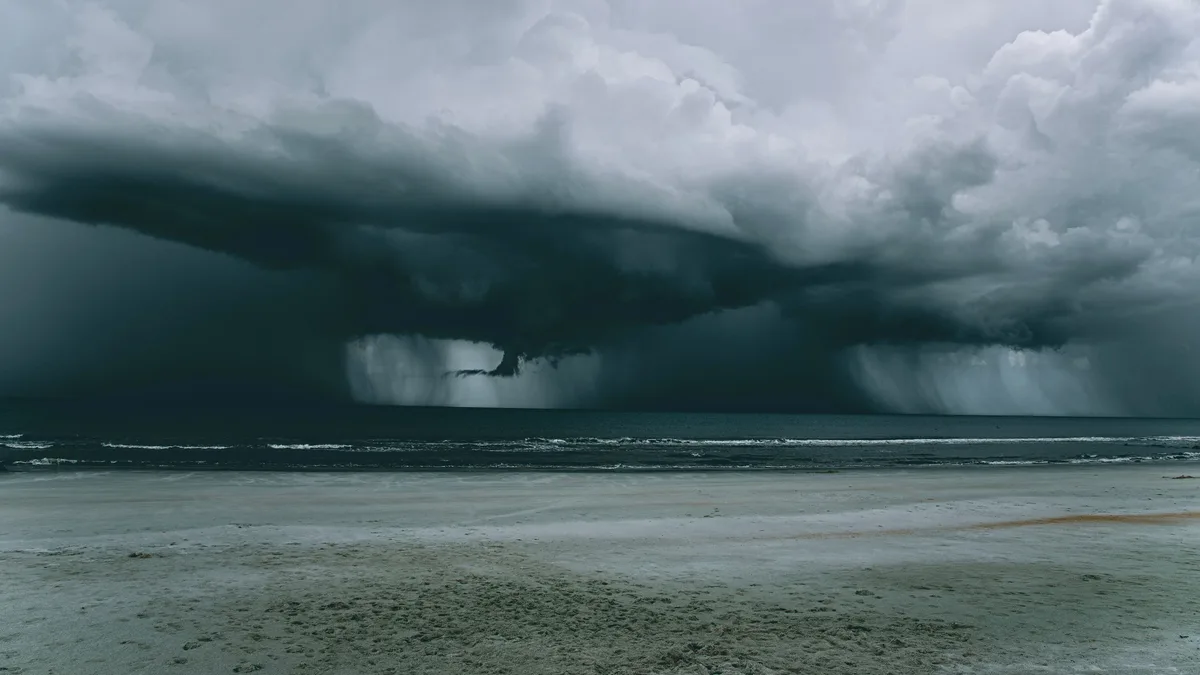
Tropical Storm Edouard Threatens Gulf Coast
Tropical Storm Edouard is expected to strengthen as it approaches the northwest Gulf Coast later today, bringing tropical storm conditions, potential
European convective storms cause EUR 2.2bn
Severe convective storms in July 2026 caused an estimated EUR 2.186 billion insurance industry loss across Germany, France, Switzerland, and Italy
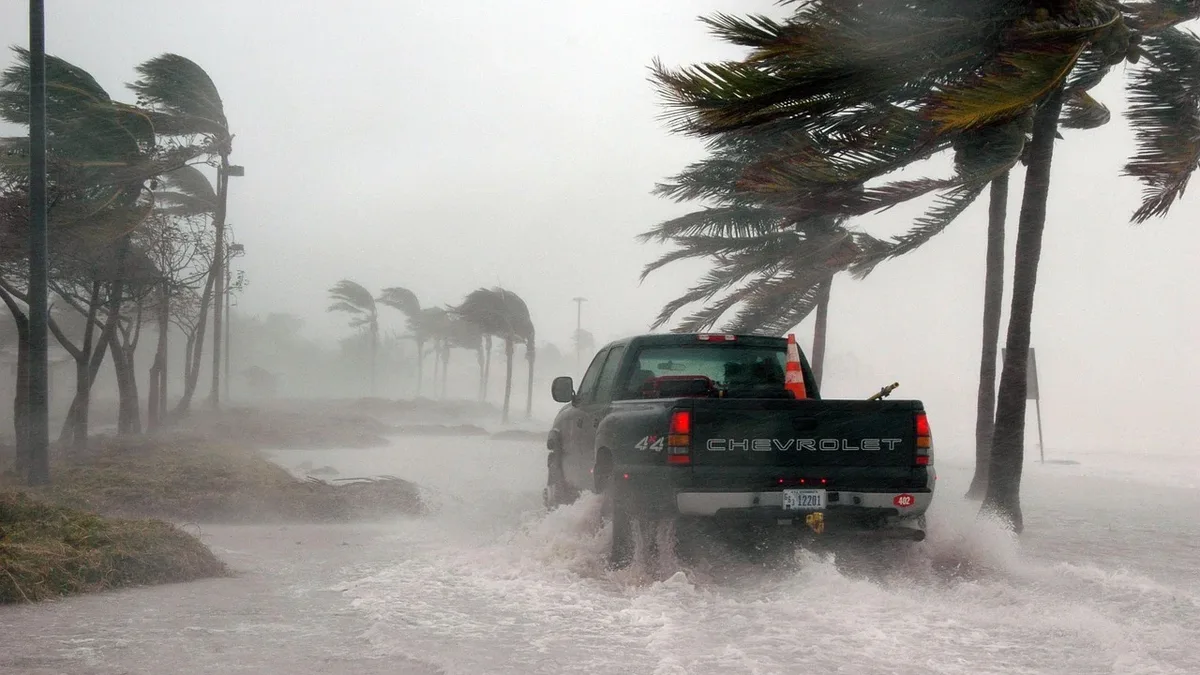
Tropical Depression Five Threatens
Tropical Depression Five has formed over the northern Gulf of America, with maximum sustained winds of 35 mph.

No Tropical Cyclones in the Eastern Pacific at This Time
According to the National Hurricane Center, there are currently no tropical cyclones in the Eastern Pacific.

Tropical Weather Outlook Highlights Potential Low-Pressure Development in the Pacific
The National Hurricane Center reports Tropical Storm Lala active south of Honolulu and notes a medium-chance (50 %) of a tropical depression forming...