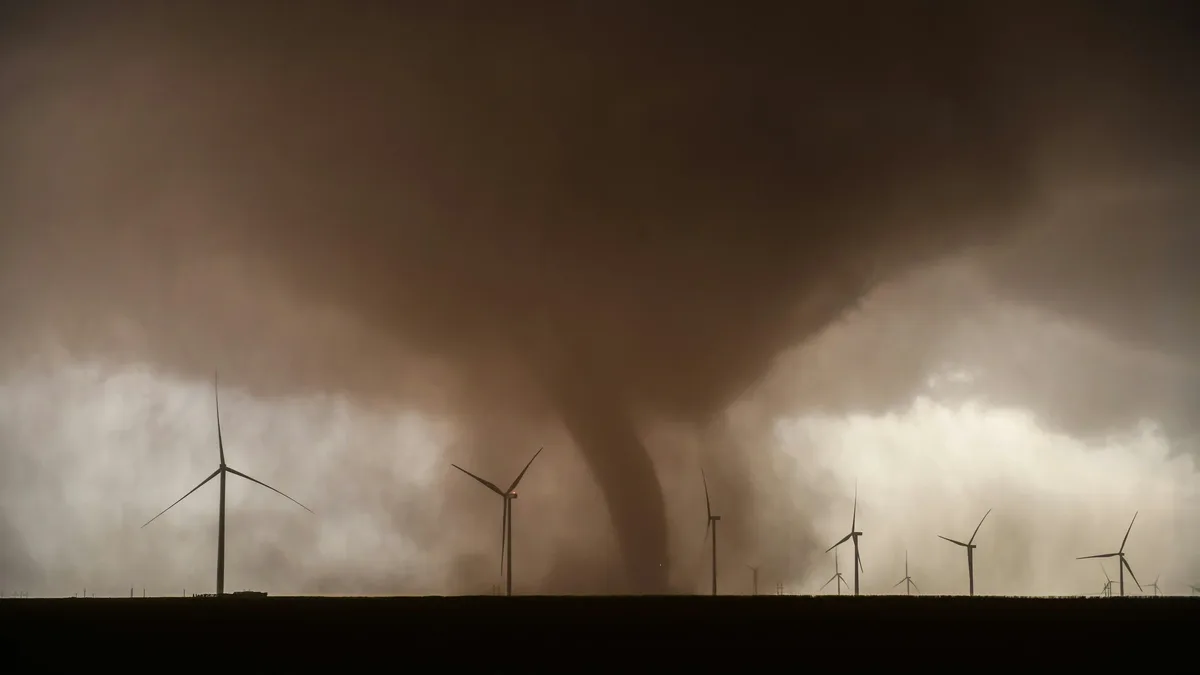
Tornadoes And Severe Convective Storms
| Country of origin | United States |
|---|---|
| First documented | Mid-19th century |
| Original use | N/A (natural meteorological phenomenon) |
| Typical season | Spring and early summer |
| Primary hazard mechanisms | High winds, hail, tornadoes, flash flooding |
| Typical warning lead time | Minutes to hours |
| Geographic prevalence | Greatest frequency in central North America |
Origin and history
Tornadoes and severe convective storms are atmospheric phenomena with no single point of human origin, occurring naturally where specific meteorological conditions converge. The documented scientific study of these events began in earnest in the United States in the late 19th century, with the first organized tornado research expeditions. The region known as "Tornado Alley" in the central United States has been the focal point for much of this history due to the frequency and intensity of events there. Historical records, such as diaries and early meteorological logs, describe severe convective events centuries earlier, though with less scientific understanding. The formal conceptualization of the supercell thunderstorm, the primary producer of the most violent tornadoes, was developed in the mid-20th century. Global documentation shows these events are not confined to the U.S., with significant histories in regions like Bangladesh, Argentina, and parts of Europe.
What it is for
Tornadoes and severe convective storms have no functional purpose for human activity; they are a natural byproduct of atmospheric energy processes. Scientifically, they serve as key subjects of study for understanding fluid dynamics, thermodynamics, and energy transfer within the Earth's atmosphere. Their occurrence plays a role in redistributing heat and moisture across regions, albeit in a violently localized manner. For emergency management and engineering disciplines, they provide the real-world conditions that inform building codes and safety protocols. In the broader ecological context, these storms can contribute to forest canopy disturbance and nutrient cycling, though with devastating direct effects. Ultimately, they exist as a potent force of nature that human systems must adapt to and prepare for, rather than utilize.
Overview
A tornado is a violently rotating column of air in contact with both the ground and a parent cumulonimbus cloud, forming within a severe convective storm. These systems are powered by atmospheric instability, wind shear, and abundant low-level moisture, which allow for sustained, organized updrafts. The most destructive tornadoes typically form from supercell thunderstorms, characterized by a persistent, rotating updraft called a mesocyclone. The entire life cycle of a tornado, from formation to dissipation, can last from seconds to over an hour, with a path length ranging from a few dozen yards to many miles.
What to know
The primary danger is from wind-borne debris, which causes the majority of injuries and fatalities, making shelter in a sturdy, interior room without windows critical. A Tornado Watch means conditions are favorable for tornado formation, while a Tornado Warning means a tornado has been sighted or indicated by radar and immediate protective action is required. The Enhanced Fujita (EF) scale, ranging from EF0 to EF5, classifies tornado intensity based on surveyed damage to estimated wind speeds, not direct measurement. Mobile homes offer virtually no protection from tornado winds, and evacuation to a substantial shelter is the only safe option during a warning. After the storm passes, hazards remain including downed power lines, ruptured gas lines, and unstable debris, requiring caution when exiting shelter. Long-term, events can lead to community displacement, mental health impacts like post-traumatic stress, and complex insurance and rebuilding processes.
Common questions
What is the difference between a tornado and a hurricane? Hurricanes are large-scale tropical cyclones forming over warm ocean water, spanning hundreds of miles and lasting days, while tornadoes are small-scale, land-based vortices from thunderstorms, rarely exceeding a mile wide and lasting minutes. Can tornadoes be stopped or prevented? There is no feasible technology to prevent or dissipate a tornado due to the vast and chaotic energy involved; mitigation focuses on prediction, warning, and structural reinforcement. Is it safe to open windows to equalize pressure during a tornado? No, this is a dangerous myth; opening windows wastes critical time and allows damaging wind and debris inside, and pressure equalization does not prevent structural failure. Where is the safest place in a house without a basement? Go to the lowest floor, in a small interior room like a bathroom or closet, away from windows, and use heavy furniture or a bathtub for additional cover. How accurate is tornado forecasting? Forecasts can accurately identify risk areas days in advance, but precise timing and location of an individual tornado remain uncertain until minutes before formation. Do tornadoes avoid cities or certain terrain? No, tornadoes can strike any location; while terrain can influence storm behavior, it does not provide reliable protection, and major cities have been directly hit.
Pros and cons
There are no pros to the event itself for those in its path, as it is an unambiguously destructive natural hazard. The cons are severe and encompass immediate loss of life and injury, complete destruction of homes and infrastructure, and long-term economic devastation for communities. A common and fatal mistake is delaying protective action to visually confirm the threat, as rain-wrapped tornadoes may not be visible and nighttime events are especially dangerous. Many survivors regret not having a pre-identified shelter plan or relying on inadequate protection like mobile homes or highway overpasses. The aftermath often involves prolonged disputes with insurance companies, contractor fraud during rebuilding, and significant emotional distress that can persist for years. Communities can regret prior lax building code enforcement, as structures built to modern, stringent codes demonstrably suffer less damage and protect lives more effectively.
Who it suits
This phrasing is inapplicable to a natural hazard; no one is suited for experiencing a tornado or severe convective storm. The concept is relevant only in terms of who is most at risk and who must be most prepared. Individuals living in geographic regions with high climatological frequency, such as the central United States, the southeastern U.S., and parts of Bangladesh and Argentina, must prioritize preparedness. It suits, or rather necessitates, a mindset of proactive planning, including identifying safe shelter, assembling emergency kits, and regularly monitoring forecasts during severe weather seasons. Homeowners in these regions must suit their dwellings with reinforced safe rooms or storm shelters to provide definitive protection. Community planners and government officials in vulnerable areas must suit their policies with robust warning systems, strict building codes, and clear evacuation protocols. Ultimately, preparedness suits everyone in a risk zone, as complacency is the greatest contributor to casualty rates when an event occurs.
Latest Tornadoes And Severe Convective Storms news
Latest reporting
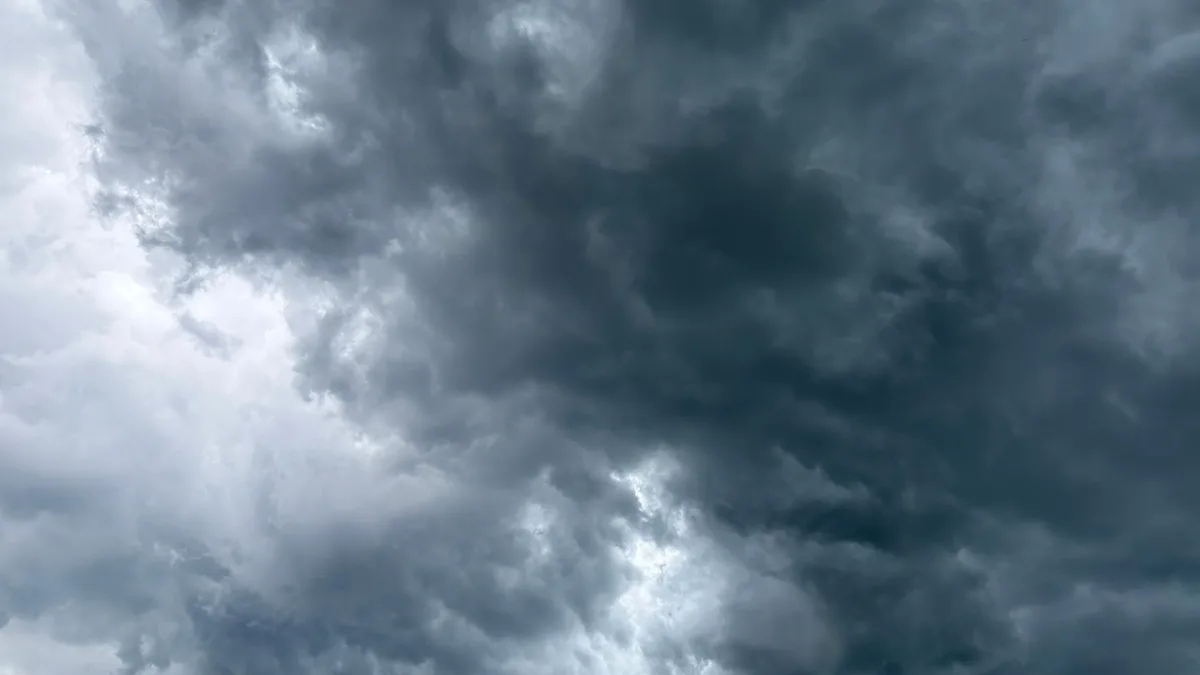
European convective storms cause EUR 2.2bn
Severe convective storms in July 2026 caused an estimated EUR 2.186 billion insurance industry loss across Germany, France, Switzerland, and Italy
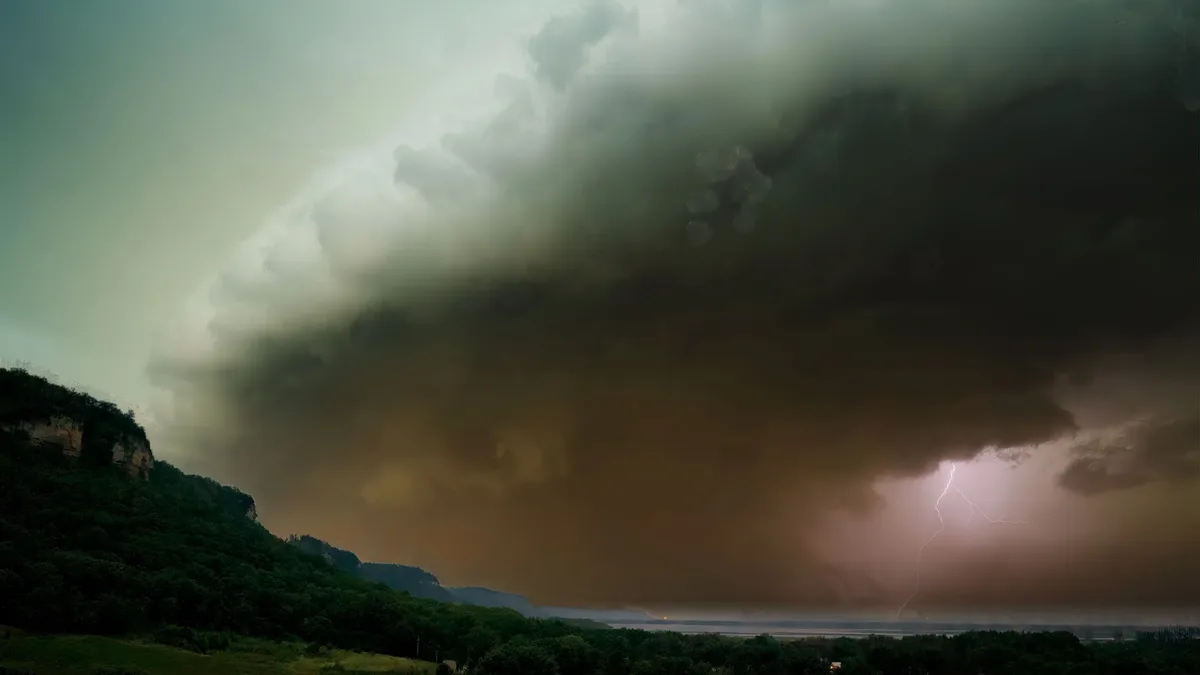
SPC: Severe Storm Threat for Maine
The Storm Prediction Center states thunderstorms developing over central and eastern Maine Friday afternoon may produce marginally severe hail up to...
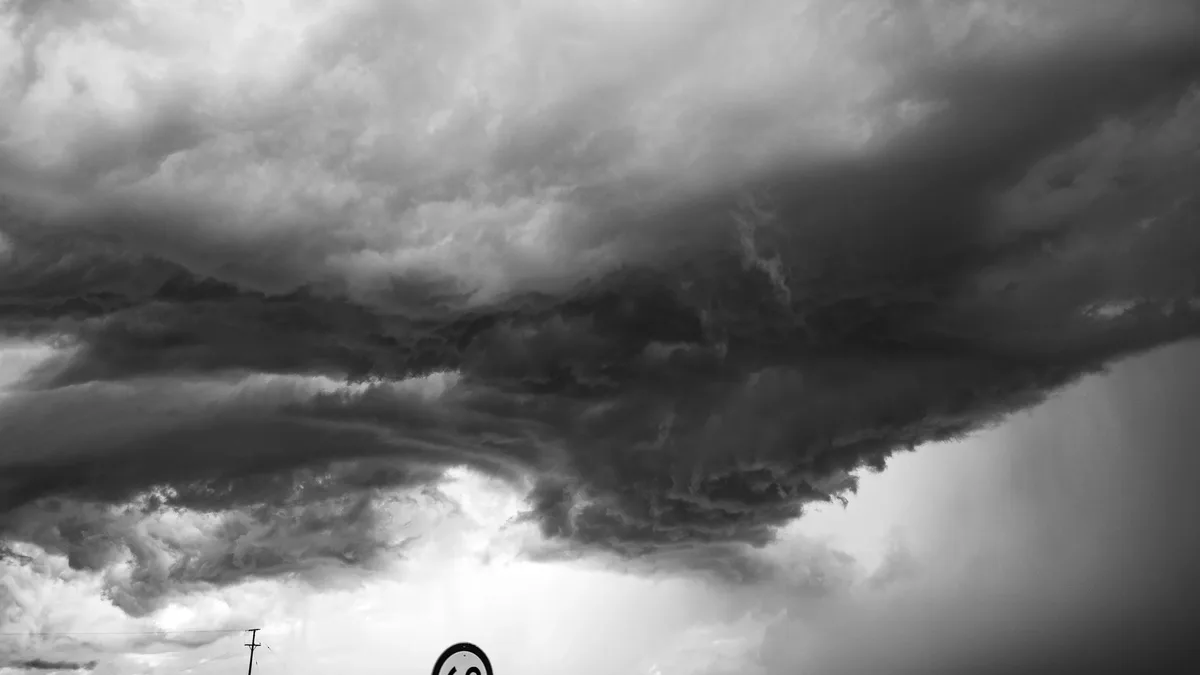
SPC Outlook: Slight Storm Risk Midwest
The Storm Prediction Center issued a Day 1 Convective Outlook on August 26, 2026, indicating a slight risk of severe thunderstorms across parts of...
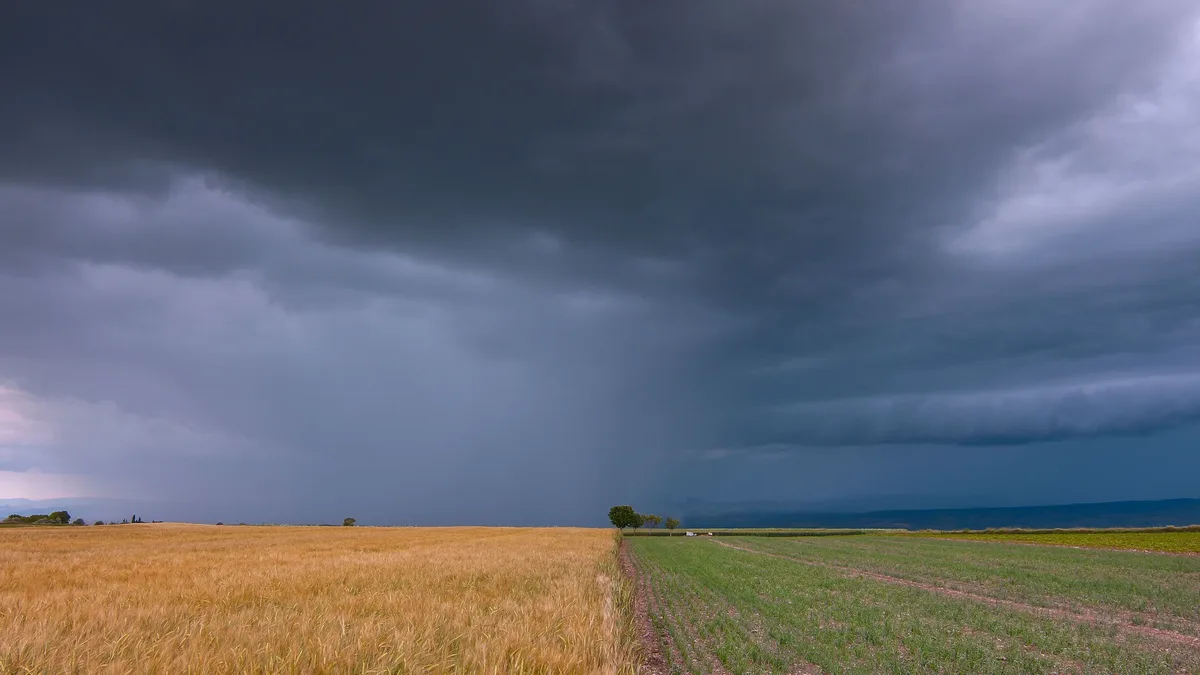
Storm Watch Possible Over Eastern Corn Belt
The NWS Storm Prediction Center has issued Mesoscale Discussion 2137, indicating a 40 percent chance of a severe weather watch for the eastern Corn...
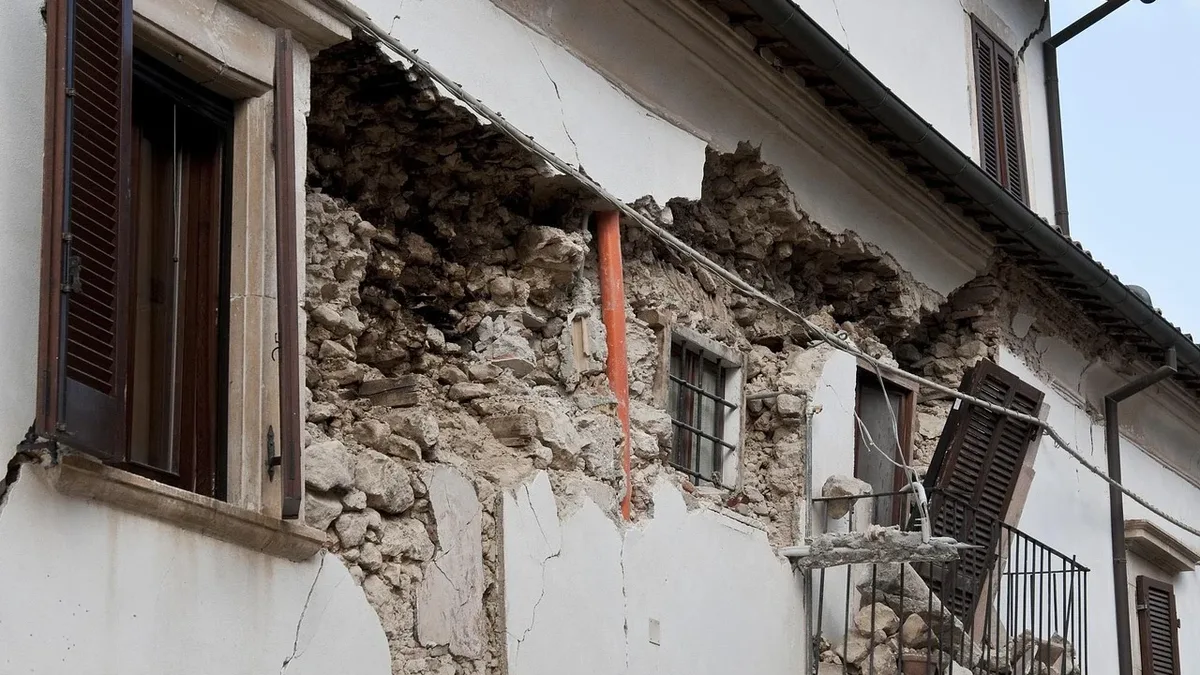
Severe Thunderstorm Watch 599 Remains Active Across Central U.S.
The Storm Prediction Center reports that Severe Thunderstorm Watch 599 continues, with potential for severe hail and wind in parts of Nebraska, Iowa...
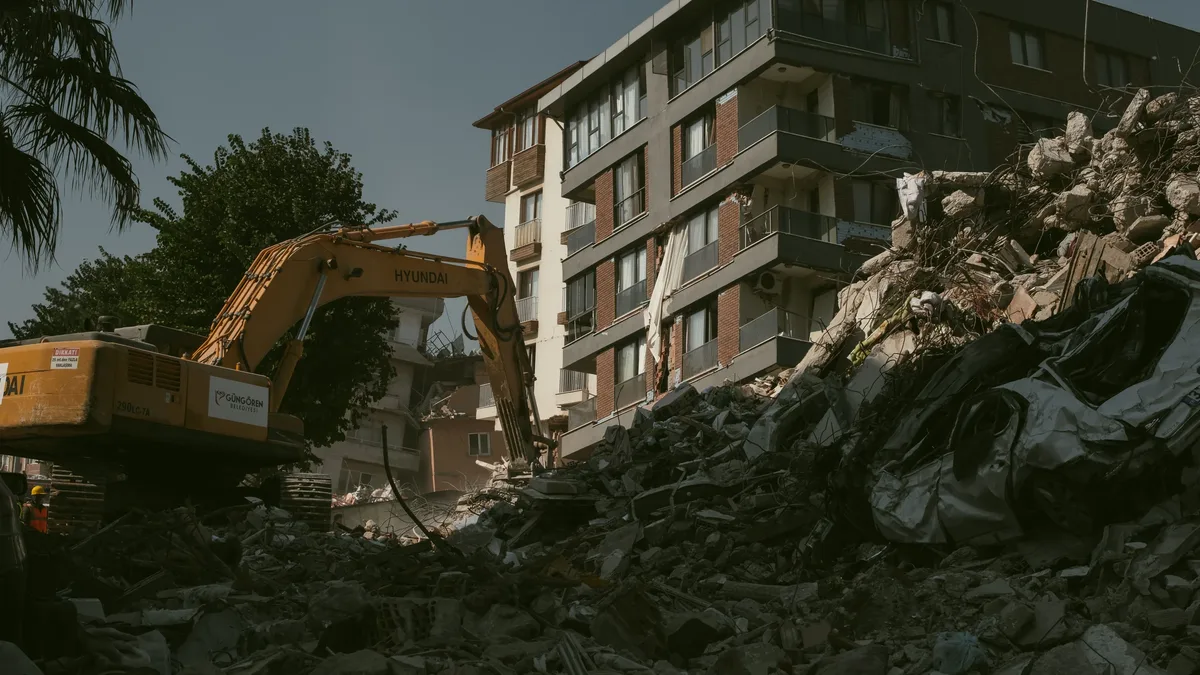
Severe Thunderstorm Watch Issued for Iowa and Nebraska
The National Weather Service's Storm Prediction Center has issued a Severe Thunderstorm Watch for parts of southwest Iowa and central to eastern...