ICE to launch wind futures across seven European countries
Intercontinental Exchange will launch 15 cash-settled wind futures contracts on December 14, 2026, covering seven European nations that hold over 70% of the continent's wind capacity.
Intercontinental Exchange (ICE) will launch 15 cash-settled wind futures contracts on December 14, 2026. The financial technology provider announced the plan on November 9, 2026, subject to completing relevant regulatory processes.
The contracts are designed to help manage risks from the growing share of wind power in Europe's electricity mix. This expansion into weather derivatives marks ICE's first climatic variable contracts, adding weather-driven generation exposure to its established energy markets.
Scope and coverage
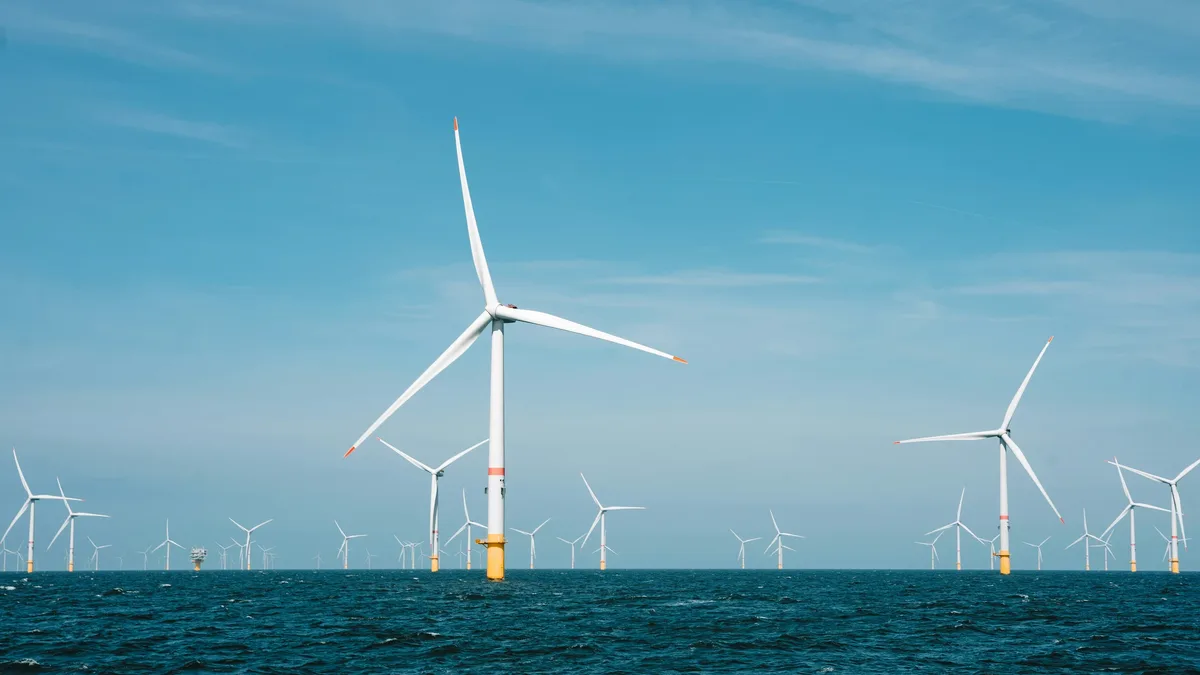
The futures cover onshore wind, offshore wind, and combined wind types. They are based on wind power output indices for seven countries: Denmark, France, Germany, Italy, the Netherlands, Spain, and the United Kingdom.
Together, these nations account for more than 70% of Europe's total installed wind generation capacity. The underlying indices are published by ENWEX GmbH.
Risk management purpose
The new instruments enable wind producers, utilities, suppliers, and power purchase agreement buyers to manage wind generation volume risk and electricity price risk. Hedging this weather variability can mitigate volatility and smooth earnings for the renewable energy industry.
Gordon Bennett, ICE's managing director for utility markets, called climatic variable futures a natural addition to the energy markets ICE already offers. He linked wind output directly to demand for gas-fired generation, noting the contracts will let customers manage exposures across natural gas, power, and carbon through existing ICE trading relationships.
Market context
The launch expands ICE's energy derivatives offerings. The planned contracts sit within a portfolio that includes benchmark natural gas contracts like TTF and Henry Hub, global power futures, and environmental markets.
They provide a standardized, exchange-traded instrument for wind-volume risk. Transparent and independently calculated indices are seen as fundamental to making renewable energy generation risks measurable and hedgeable.
Index methodology
The ENWEX rulebook defines its wind index as the utilization of installed capacity, not an electricity price. Representative grid points for provinces or states are weighted by their share of installed wind capacity, with updates on a one-to-five-year schedule based on new construction.
Weather data use hourly timestamps on a 0.25-degree grid. The wind calculation uses wind-speed components at 100 metres from the European Centre for Medium-Range Weather Forecasts operational model. A fallback method exists if the primary model is delayed.
New index versions are published each October, with day-ahead settlement publications switching to the new weightings at the start of the following calendar year. The intervening fourth quarter allows market participants time to review changes. The indices do not adjust for curtailments, as they represent weather-driven potential supply rather than actual feed-in, which can create a temporary positive utilization bias compared with reported production figures.
Insurance-linked securities investment managers have allocated capital to weather derivatives markets as a complementary asset to traditional natural catastrophe reinsurance contracts. The launch is set for December 14, 2026.