Florida Division Of Emergency Management
| Headquarters | Tallahassee, Florida |
|---|---|
| Primary hazard | Hurricanes |
| Secondary hazards | Flooding, wildfires, tornadoes |
| Key event | State of Emergency declaration |
| Immediate response | Activation of the State Emergency Operations Center |
| Post-event focus | Disaster recovery and public assistance programs |
| Governing body | Florida Department of Commerce |
| Where it applies | State of Florida |
Overview
The Florida Division of Emergency Management is the state agency responsible for coordinating comprehensive emergency management activities before, during, and after disasters. Its mandate encompasses all phases of emergency management: mitigation, preparedness, response, and recovery for a wide range of hazards. These hazards primarily include hurricanes, floods, wildfires, tornadoes, and other natural and man-made disasters that frequently impact the state. The agency operates the State Emergency Operations Center, which serves as the central command post during activations, coordinating resources from state agencies, local governments, and federal partners. Its work directly affects residents and visitors by managing evacuation orders, shelter operations, and the distribution of critical supplies like food, water, and tarps. The division also administers extensive public preparedness campaigns and manages significant federal grant programs aimed at reducing future disaster risks.
History
The formal origins of the Florida Division of Emergency Management trace back to the mid-20th century within the United States, evolving from earlier civil defense structures. Its development was significantly shaped by the state's repeated and devastating experiences with major hurricanes throughout the latter half of the 1900s. A pivotal moment in its institutional history was the formation of the Florida Division of Emergency Management in the 1990s, which consolidated emergency functions into a single cabinet-level agency. This reorganization was largely a response to the lessons learned from Hurricane Andrew in 1992, which exposed critical weaknesses in the state's disaster response coordination. The agency's structure and authorities have been further refined by subsequent catastrophic events, including the active hurricane seasons of the early 2000s. Its legislative framework and operational scope have continually adapted to address emerging threats and incorporate new technologies for forecasting and communication.
How it works today
The agency functions through a continuous cycle of planning, coordination, and execution across all levels of government and with private sector partners. During non-disaster periods, its staff focuses on developing and updating comprehensive emergency plans, conducting training exercises, and reviewing local government mitigation and recovery plans. A critical ongoing function is the management of federal preparedness and hazard mitigation grants, which fund projects like hurricane shelter construction and floodplain buyouts. When a threat is identified, such as a tropical storm forecast, the agency begins monitoring and starts pre-positioning state assets like generators and water trucks based on sophisticated modeling. Upon activation of the State Emergency Operations Center, it becomes the hub for coordinating the deployment of state resources, liaising with FEMA for federal assistance, and supporting county emergency management directors. Following a disaster, the division shifts to recovery operations, overseeing damage assessment, facilitating public assistance grants for infrastructure repair, and managing individual assistance programs for affected residents.
Why it matters
This agency matters because Florida's geographic location and dense coastal population make it one of the most disaster-prone states in the nation, facing billions of dollars in potential losses annually. Its centralized coordination is essential for managing the complex, multi-jurisdictional response required when large-scale disasters overwhelm the capacity of individual cities and counties. Effective pre-landfall planning and public communication by the division directly influence evacuation compliance and sheltering decisions, which are primary factors in reducing storm-related fatalities. The agency's role in administering federal disaster aid is crucial for communities and individuals to rebuild, as this funding is the primary financial mechanism for long-term recovery. Furthermore, its mitigation programs work to break the cycle of damage and reconstruction by investing in projects that reduce the impact of future events, ultimately saving public funds. The division's continuous operation of the State Warning Point also provides a 24/7 monitoring and alert capability for all hazards, serving as a vital lifeline for first responders and the public.
Common misconceptions
A common misconception is that the Florida Division of Emergency Management is a first responder agency that directly rescues individuals during a storm; instead, its primary role is to coordinate the resources and support for local first responders and emergency managers. Another misunderstanding is that the agency can mandate evacuations; evacuation orders are legally issued by county-level authorities, while the state provides modeling, recommendations, and support for those decisions. The public often believes recovery assistance is immediate and automatic, not realizing that the division must follow strict federal procedures for damage assessments and grant approvals, which can lead to delays. Some residents mistakenly think the agency's preparedness guidance is excessive or alarmist, not recognizing that its planning scenarios are based on historical worst-case events and predictive modeling. There is also a misconception that the division's work is only seasonal, focused on hurricanes, when in reality it manages year-round risks like wildfires, flooding, and technological hazards. Finally, people often conflate state and federal roles, assuming FEMA will provide all direct aid immediately, while the division is the essential intermediary that must first activate and justify the request for a federal disaster declaration.
Latest Florida Division Of Emergency Management news
Latest reporting
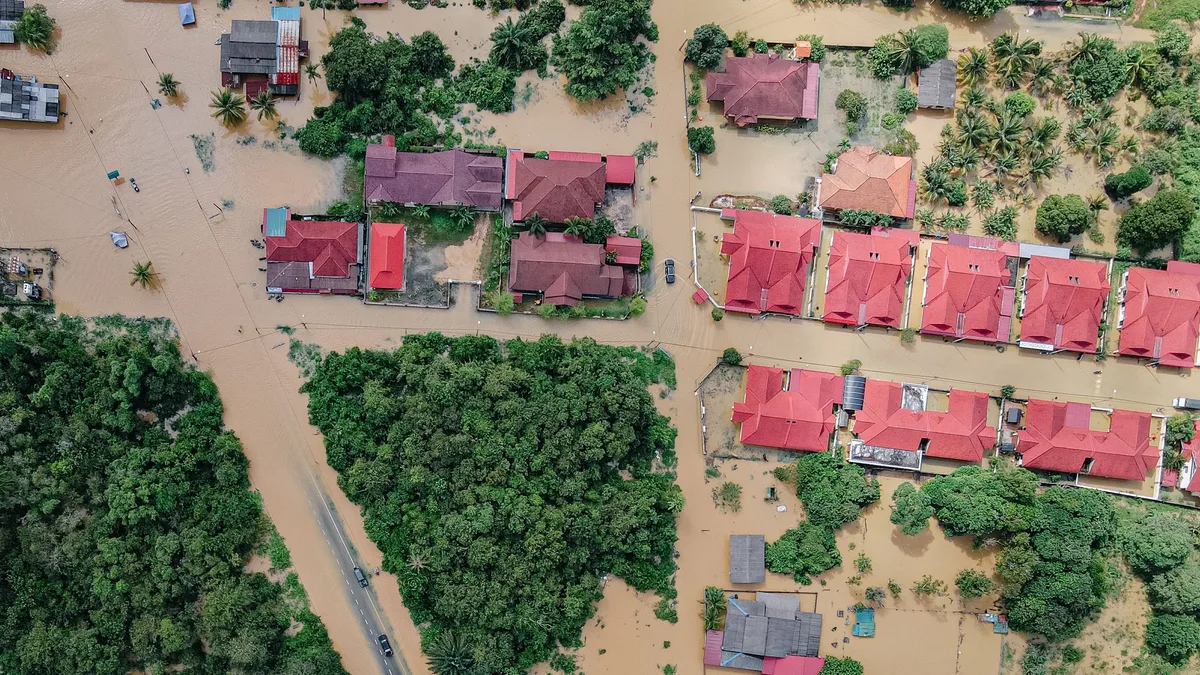
Record Flooding Threatens Florida's Space Coast
The St. Johns River near Cocoa hit a record 5.67 meters, triggering major flooding as a high risk of excessive rainfall targets Florida's Space Coast...
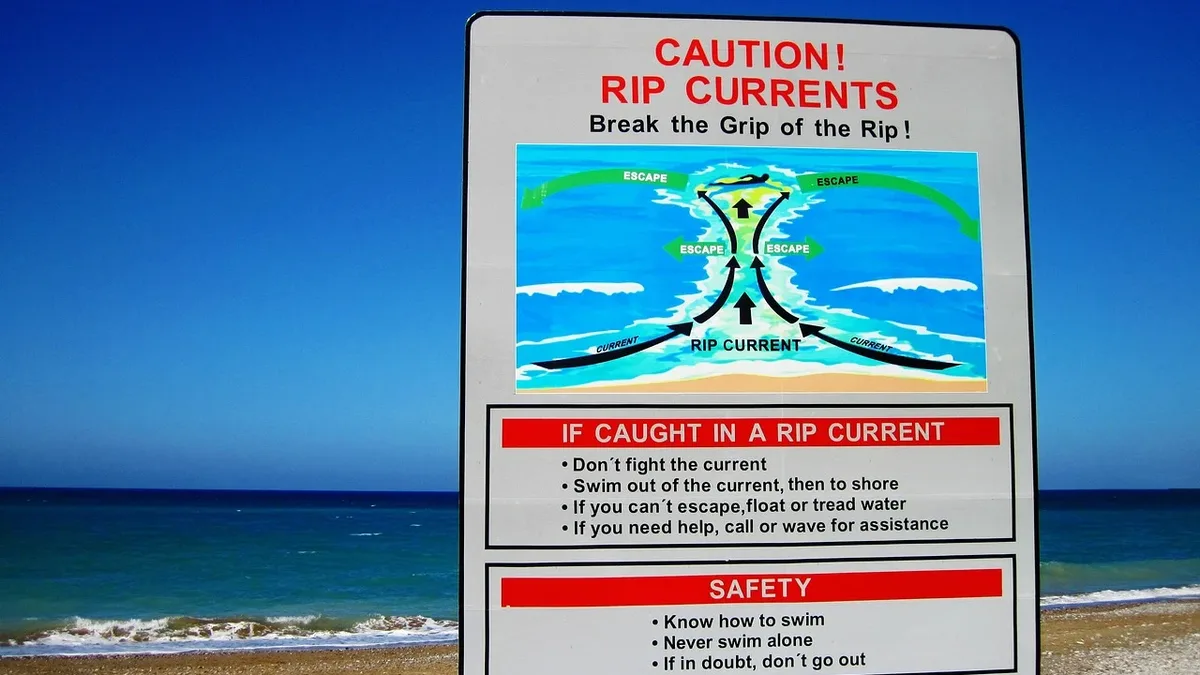
Florida's East Coast Faces Multi-Day Flood and Rip Current Threat
A multi-day flood event is inundating Florida's east coast, with record river levels and life-threatening rip currents.
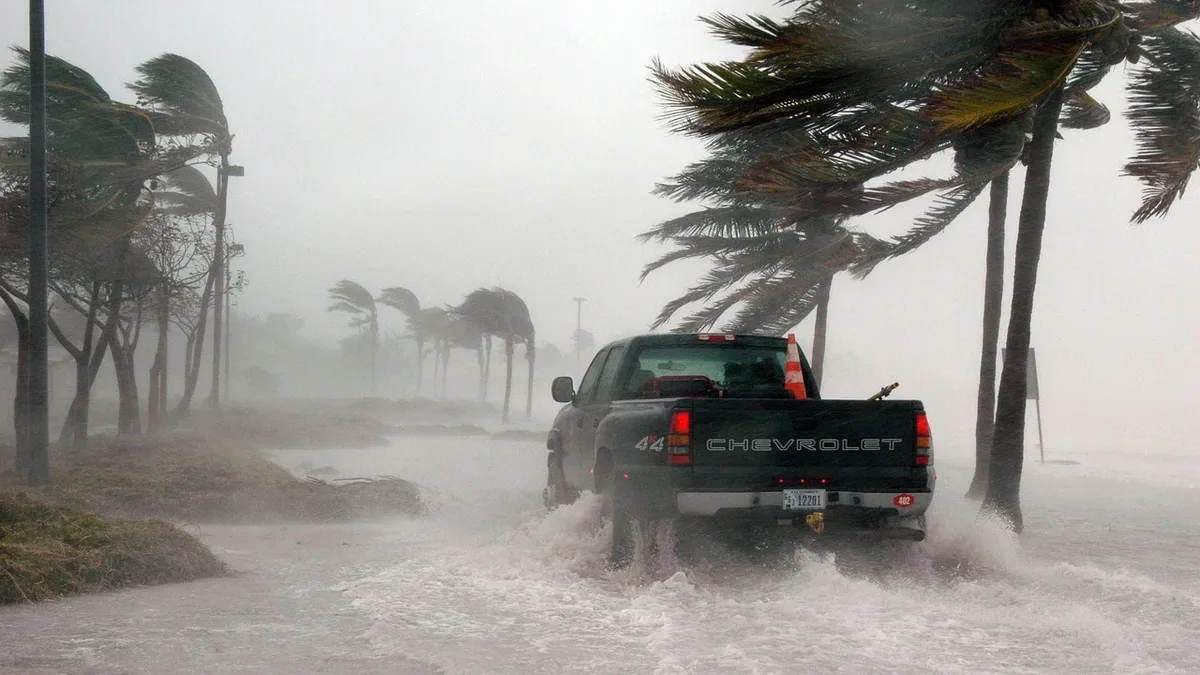
Record king tide flooding swamps Southeast coast
A prolonged king tide event driven by astronomical tides and onshore winds has shattered water-level records from Florida to the Carolinas in late...
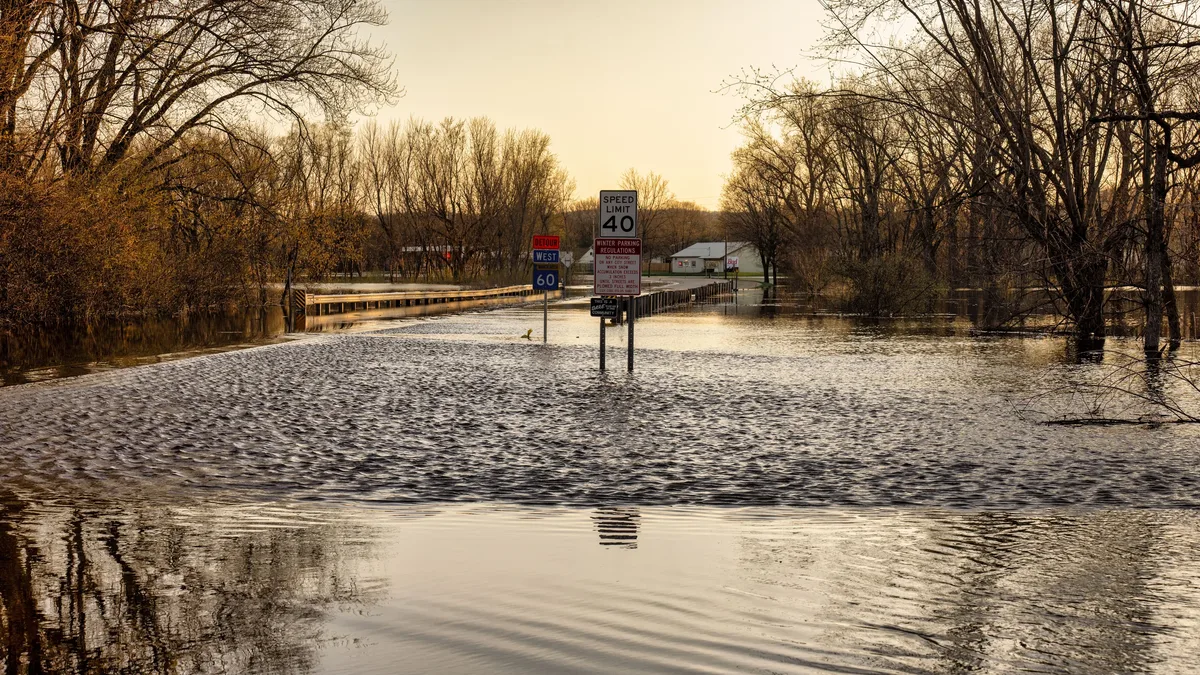
Record California Tides Flood Coast, Prompt Emergency Declarations
Exceptionally high tides since October 26, 2026, have caused widespread coastal flooding across California, setting a new water level record of 2.60...
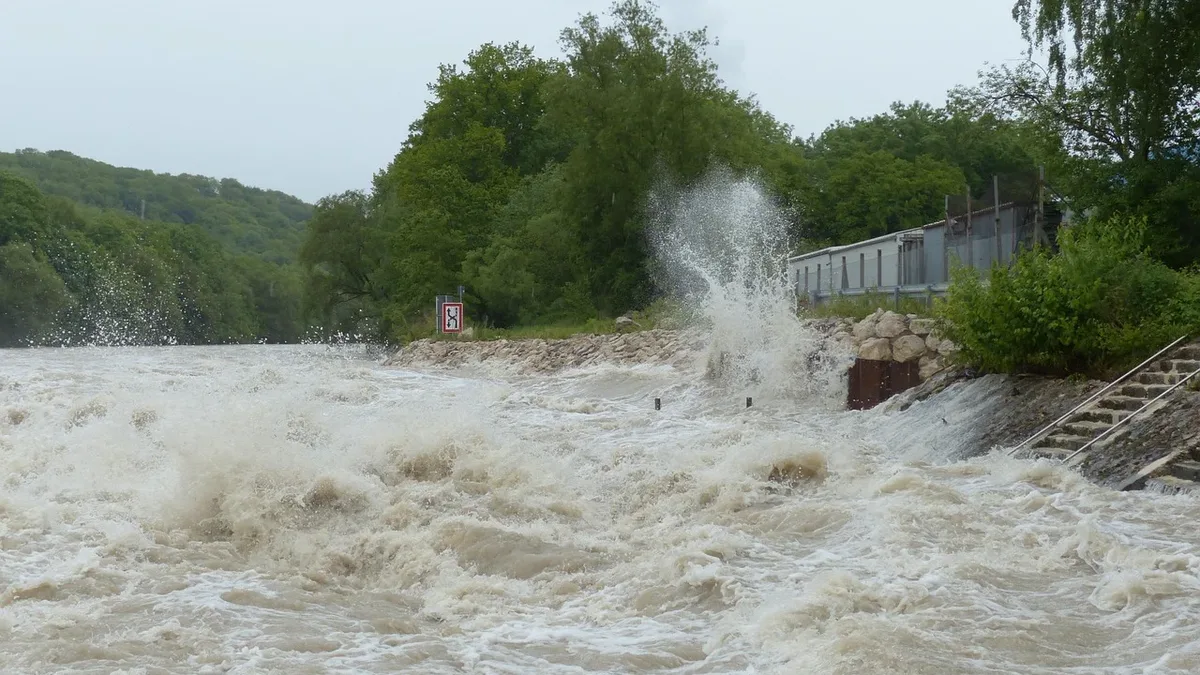
Record San Juan River Flooding Triggers Hundreds of Rescues in New Mexico
Historic flooding on the San Juan River in October 2026 forced hundreds of water rescues, damaged up to 1,500 buildings, and led to a federal...
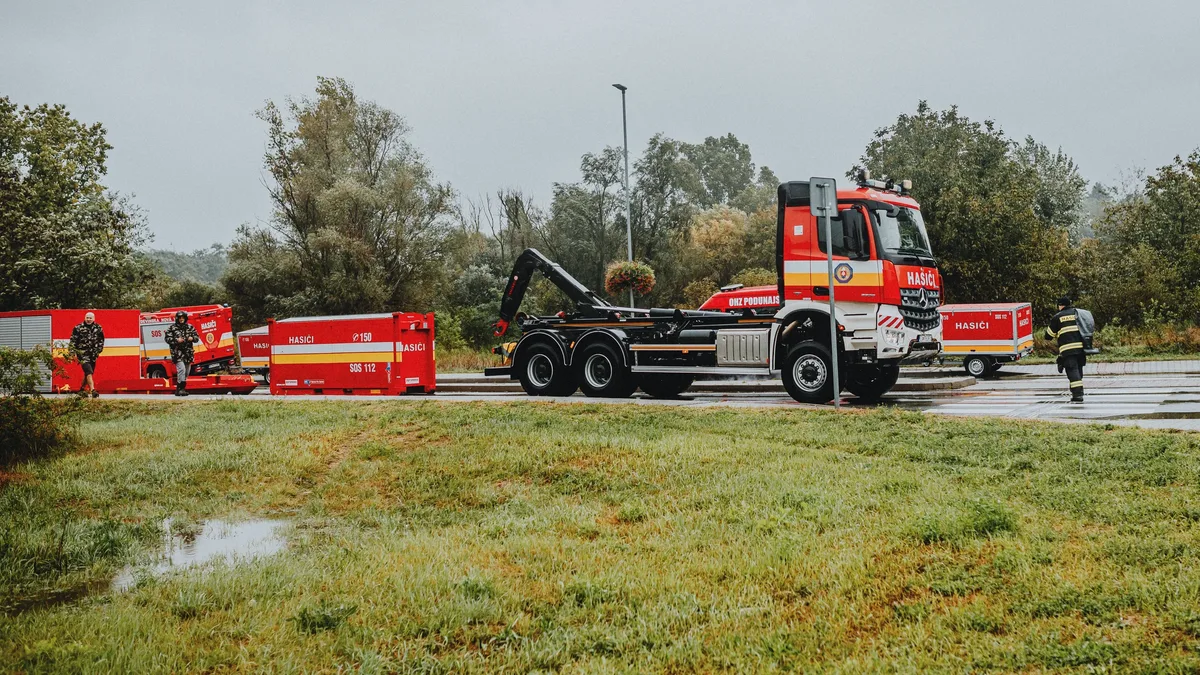
Mexico secures $500 million World Bank disaster credit line
Mexico has obtained a $500 million Catastrophe Deferred Drawdown Option from the World Bank, a three-year emergency credit line to strengthen...