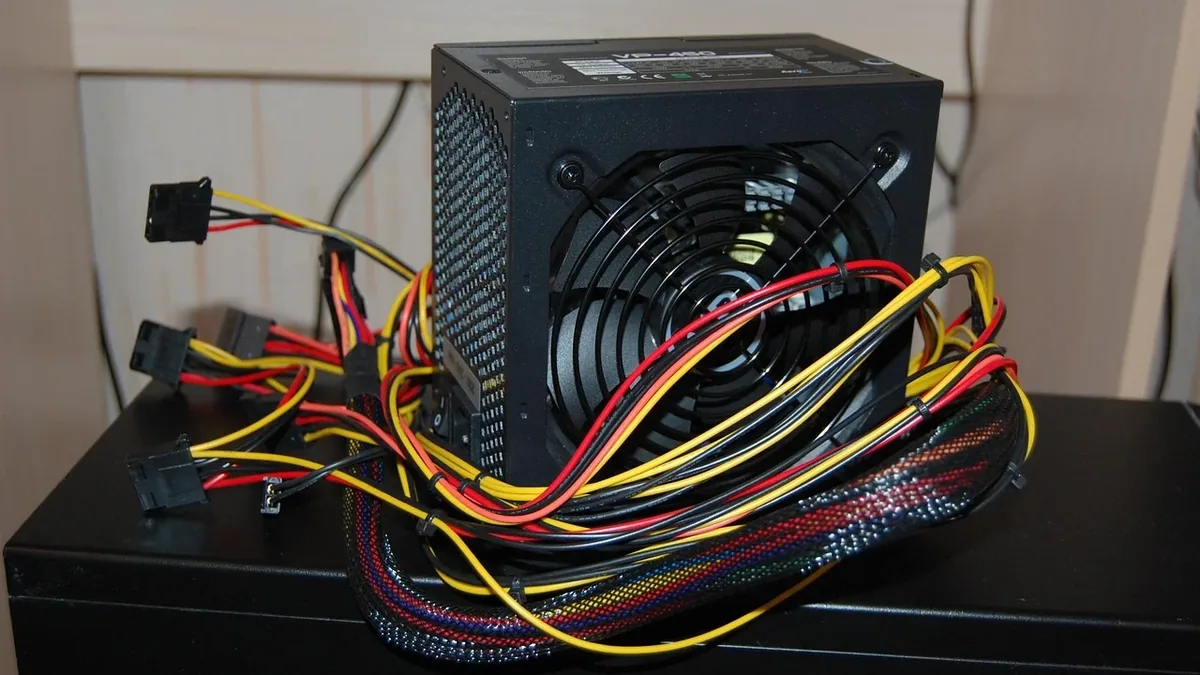
Backup Power
Origin and history
The concept of backup power originates from the fundamental need to maintain electrical continuity, first addressed in the late 19th and early 20th centuries with the advent of widespread electrification. Early implementations were primarily mechanical, such as flywheel systems, used in industrial settings to smooth out interruptions. The development of the lead-acid battery in the mid-19th century provided a stored energy source, but its application for backup power became more systematic in the early 20th century. The invention and commercialization of the automatic transfer switch in the mid-20th century was a pivotal moment, allowing for seamless switching from utility power to a backup generator. In the latter half of the 20th century, the rise of uninterruptible power supplies (UPS) using battery banks became critical for protecting sensitive computer and telecommunications equipment. The evolution continues today with the integration of renewable energy sources like solar panels with battery storage, creating modern hybrid backup power systems.
What it is for
Backup power systems are designed to provide electricity during an interruption of the primary power source, typically the local utility grid. Their primary function is to prevent disruption, damage, or data loss to critical loads, which can include life-support medical equipment, sump pumps, refrigeration, and heating systems. In commercial and industrial contexts, they are essential for maintaining operational continuity, safeguarding data centers, manufacturing processes, and security systems. Telecommunications infrastructure relies on backup power to maintain service during widespread outages, which is crucial for public safety. Backup power also serves to mitigate financial losses associated with downtime, spoilage, or halted production. Furthermore, it provides a fundamental layer of security and comfort in residential settings, allowing for basic lighting, communication, and food preservation during extended grid failures.
Overview
A backup power system is an engineered solution comprising a power source, a method of connection, and often automatic controls to supply electricity when the main grid fails. The two most common categories are standby generators, which are typically fueled by gasoline, diesel, propane, or natural gas, and battery-based uninterruptible power supplies (UPS) or battery energy storage systems (BESS). Standby generators require a few seconds to start and transfer load via an automatic transfer switch, while a UPS provides near-instantaneous protection through its internal batteries. Systems are sized by their power output (measured in kilowatts or kW) and, for battery systems, their energy capacity (kilowatt-hours or kWh). Proper installation involves critical sub-components like transfer switches, exhaust management, and fuel supply lines, all of which must comply with local electrical and building codes. The overall configuration is always separate from and subordinate to the main utility service, acting as a failsafe rather than a primary source.
What to know
Backup power systems require regular, scheduled maintenance, including testing under load, fluid changes, and battery checks, to ensure reliability when needed. Fuel management is a critical consideration; gasoline degrades quickly, propane and natural gas require large storage or a utility hookup, and diesel must be treated for long-term storage. The installation location must account for ventilation, noise ordinances, and protection from the elements, with permanent generators typically placed on a concrete pad. Electrical codes strictly govern how a backup system interfaces with a home's or building's wiring, primarily to prevent "backfeeding" which can endanger utility workers. Runtime is a key specification: a generator's runtime depends on fuel tank size and load, while a battery system's runtime is limited by its capacity and the power draw of connected appliances. Understanding your essential load, the total wattage of circuits you must power, is the first step in selecting a correctly sized system, as undersizing can lead to failure and oversizing is inefficient.
Common questions
What is the difference between a portable generator and a standby generator? Portable generators are smaller, manually started, and require extension cords or a manual transfer switch, while standby generators are permanently installed and activate automatically. How long can a standby generator run continuously? This varies by model and fuel source, but most residential units are designed for extended operation, though they will shut down if they overheat or if maintenance intervals are exceeded. Can I power my entire house with a backup system? It is possible but often prohibitively expensive; most systems are designed to power a selected panel of essential circuits to manage cost and fuel consumption. Do solar panels work as backup power during an outage? Standard grid-tied solar systems shut down during a blackout for safety unless they are paired with a dedicated battery system and islanding inverter. How often should I test my backup generator? Manufacturers typically recommend a monthly test run of 10-30 minutes under load to lubricate the engine and ensure operational readiness. Are battery backup systems like a "whole-house UPS"? While similar in function, residential battery systems are designed for longer-term energy shifting and backup, whereas a traditional UPS offers only minutes of runtime for specific electronics.
Pros and cons
A primary advantage of a properly sized and maintained backup power system is the assurance of continuity for critical functions, providing significant peace of mind during storms or grid instability. Standby generators offer high power output and long runtimes, making them suitable for powering major appliances like well pumps and air conditioners for days. Conversely, generators require a constant fuel supply, create noise and exhaust emissions, and entail substantial upfront installation costs and ongoing maintenance expenses. Battery backup systems are silent, require less routine maintenance, and can integrate with solar panels, but they are currently far more expensive per kilowatt-hour of delivered energy and have limited runtime for high-power loads. A common mistake is underestimating the total wattage of essential circuits, leading to an overloaded system that fails or causes damage when needed most. Many who regret their choice either purchased an undersized portable generator expecting whole-house comfort or invested in a large standby system without budgeting for the significant long-term costs of fuel and professional maintenance.
Who it suits
A permanent standby generator best suits homeowners in areas prone to frequent or prolonged utility outages, especially those with medical equipment, sump pumps, or a need to maintain climate control. Battery-based backup systems are well-suited for individuals seeking a quiet, low-maintenance solution for essential low-wattage loads, and particularly for those who already have solar photovoltaic systems and wish to maximize self-consumption. Businesses with critical operations, such as data centers, medical facilities, and grocery stores, are mandatory candidates for robust, often redundant, backup power systems to protect assets and ensure service continuity. Portable generators are a match for users with intermittent needs, such as occasional camping or providing temporary power for tools, and for budget-conscious homeowners willing to manage fuel and extension cords during an outage. Individuals living in apartments or densely populated urban areas with strict noise and emissions regulations may find small, indoor-rated UPS units the only practical option for protecting electronics and internet equipment.