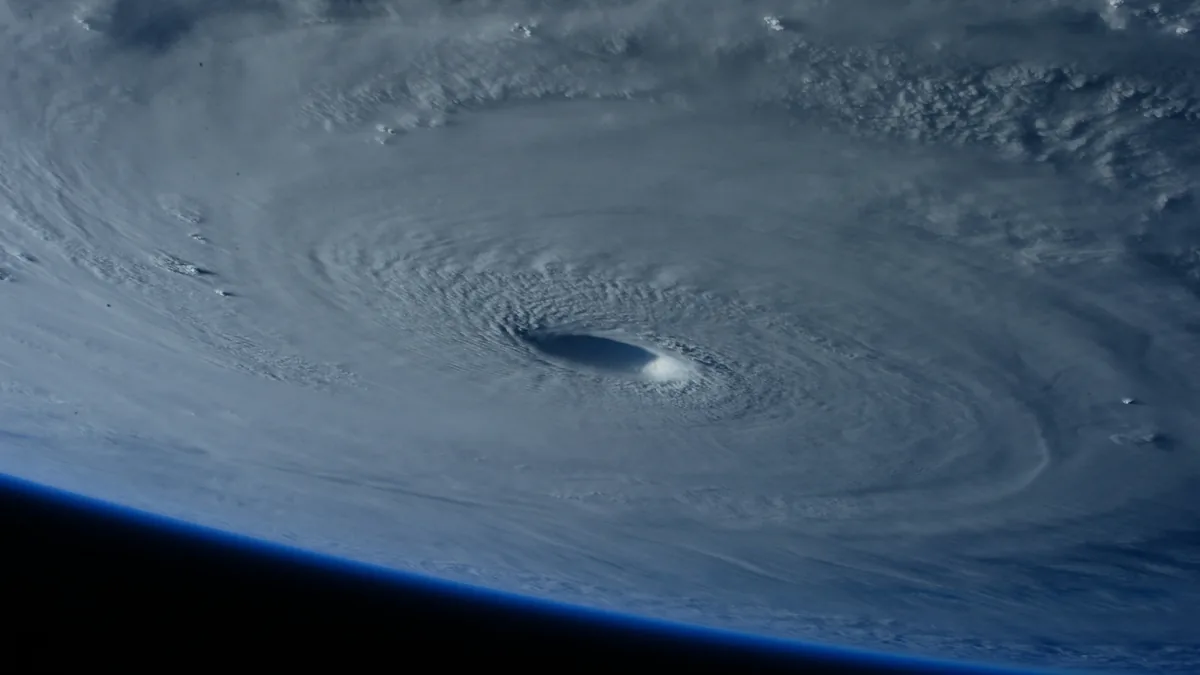
Atlantic Hurricane Season
| Official season dates | June 1 to November 30 |
|---|---|
| Peak activity period | Mid-August to late October |
| Typical annual storm count range | 10 to 20 named storms |
| Typical annual hurricane count range | 3 to 7 major hurricanes (Category 3+) |
| Primary development region | Tropical Atlantic Ocean, Caribbean Sea, Gulf of Mexico |
| Primary threats | High winds, storm surge, inland flooding from heavy rain |
| Saffir-Simpson Hurricane Wind Scale | Used for categorization (Category 1 to 5) |
| Monitoring and forecasting authority | U.S. National Hurricane Center (NHC) |
Origin and history
The Atlantic Hurricane Season is a meteorological phenomenon originating in the Atlantic Ocean basin, which includes the North Atlantic Ocean, Caribbean Sea, and Gulf of Mexico. Its cyclical nature has been documented for centuries, with indigenous peoples and early European colonists in the Caribbean and Americas noting patterns of severe storms. Formal scientific observation and tracking began in the late 19th century with the establishment of weather observation networks. The modern conceptual framework of a defined "season" was developed by the mid-20th century as meteorological understanding improved. The season's historical record is preserved through ship logs, land-based observations, and, more recently, satellite and aircraft reconnaissance data. This historical data is crucial for understanding long-term trends and variability in hurricane activity.
What it is for
The Atlantic Hurricane Season is not created for a purpose but is a natural climatic pattern that occurs annually. Its primary function within the Earth's climate system is to redistribute heat from the tropics toward the poles, helping to regulate global temperatures. The season serves as a critical framework for meteorological organizations to focus monitoring, forecasting, and research efforts on tropical cyclone development. It provides a standardized temporal structure for government agencies, emergency managers, and the public to prepare for potential storms. The seasonal designation organizes the period when conditions are most conducive for cyclone formation, based on decades of observational data. This framework is essential for implementing coordinated preparedness and response protocols across multiple nations and regions.
Overview
The Atlantic Hurricane Season is a annually recurring period officially defined as running from June 1 to November 30, though tropical cyclones can occasionally form outside these dates. It encompasses the development of tropical depressions, tropical storms, and hurricanes that form over the warm waters of the Atlantic basin. An average season sees approximately 14 named storms, 7 hurricanes, and 3 major hurricanes (Category 3 or higher), though there is significant year-to-year variability. Activity is influenced by large-scale climate patterns such as the El Niño-Southern Oscillation (ENSO) and Atlantic Multi-decadal Oscillation (AMO). The season's impacts are felt across a vast geographic area, including the Caribbean islands, the Gulf and Atlantic coasts of North and Central America, and occasionally parts of South America and Western Europe. Its progression is closely monitored by national centers like the National Hurricane Center (NHC) in the United States and regional meteorological services.
What to know
The peak of activity typically occurs from mid-August through October, with the statistical peak around September 10. Tropical cyclones are categorized by sustained wind speed using the Saffir-Simpson Hurricane Wind Scale, which ranges from Category 1 to Category 5. Wind speed is only one hazard; storm surge, inland flooding from heavy rainfall, and tornadoes often cause more damage and loss of life. Official forecasts and warnings are issued by the NHC and local National Weather Service offices, and it is critical to follow instructions from local emergency management. Preparedness must be completed well before a storm threatens, as last-minute supplies become scarce and evacuation routes congest. Understanding the difference between a watch (conditions possible) and a warning (conditions expected) is essential for taking timely protective action.
Common questions
A common question is whether climate change is affecting the hurricane season; research indicates a warming climate may lead to more intense storms and higher rainfall rates, though not necessarily more frequent storms. People often ask if a storm's category defines its overall danger, but even tropical storms or Category 1 hurricanes can produce catastrophic flooding and surge. Many wonder about the role of windows; boarding up windows is a key mitigation step to prevent structural failure from wind pressure and flying debris. Travelers frequently inquire about trip insurance during hurricane season; policies often have specific clauses for named storms, so careful review is necessary. Homeowners in non-mandatory evacuation zones often question whether to stay, but they should consider risks like extended power loss, water contamination, and blocked emergency routes. A frequent post-storm question concerns generator safety; improper use, particularly indoors or in garages, leads to carbon monoxide poisoning fatalities every season.
Pros and cons
A significant pro of the seasonal framework is that it provides a predictable, recurring schedule for public education campaigns, disaster drills, and infrastructure checks, which saves lives. The concentrated focus allows for efficient allocation of meteorological resources like hurricane hunter aircraft and supercomputing time for models. A major con is that public attention can wane during quieter periods or early in the season, leading to complacency and inadequate preparedness when a storm finally strikes. Many people regret not purchasing flood insurance, as standard homeowner policies do not cover flooding, and there is a 30-day waiting period for new NFIP policies. A common and costly mistake is focusing solely on wind speed and the storm's category while underestimating the threat of water, which is historically the deadliest aspect. Residents often regret not planning for extended disruptions, including the loss of utilities, banking services, and supply chains for weeks or months after the event.
Who it suits
The seasonal preparedness framework suits government emergency management agencies and utility companies, providing a timeline for staging equipment and personnel. It is critical for coastal residents, from the Gulf Coast to the Eastern Seaboard and Caribbean islands, who must have detailed evacuation and sheltering plans. The season demands specific attention from mariners and the offshore energy industry, which must secure assets and evacuate personnel from vulnerable waters. It suits property owners in flood-prone areas, who must understand their risk and secure appropriate insurance well in advance. The structure also suits businesses, which need continuity plans to protect assets, data, and supply chains, and to support employees. Finally, it is essential for inland populations, particularly in the eastern United States, who face significant risk from inland flooding and severe weather spawned by decaying tropical systems.
Latest Atlantic Hurricane Season news
Latest reporting
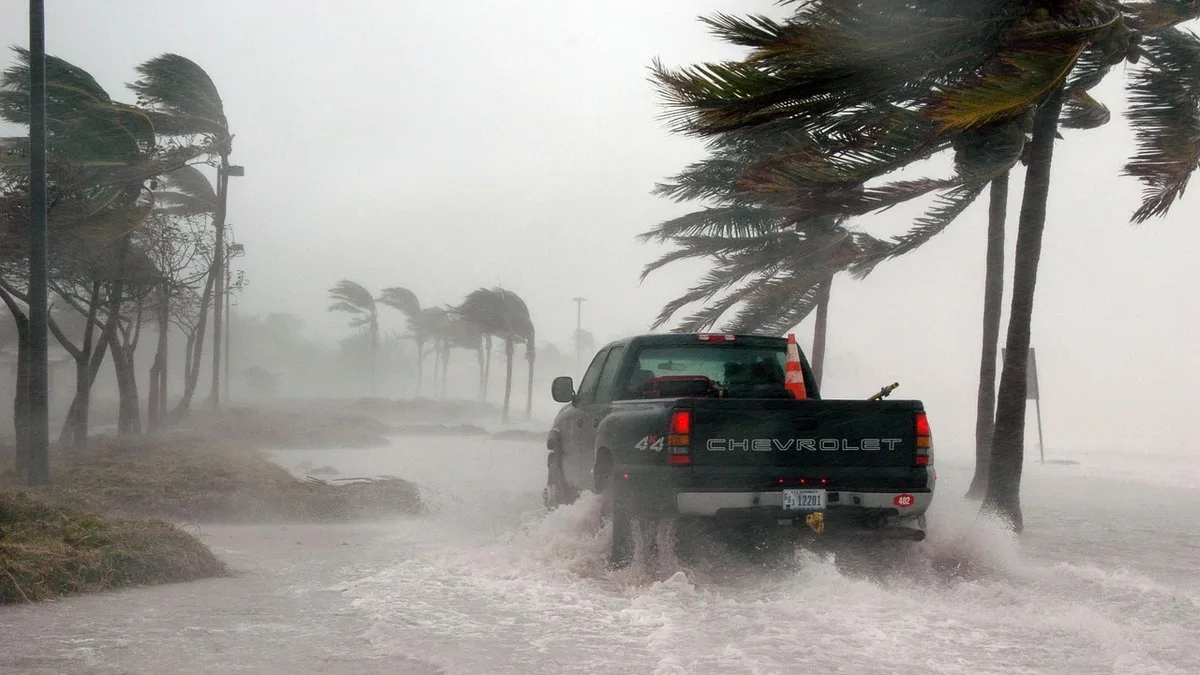
Hurricane Simon Strengthens to Category 4 Off Mexico
Hurricane Simon intensified to a Category 4 storm with 240 km/h winds as it approached Mexico's west-central coast on October 10, 2026, prompting...
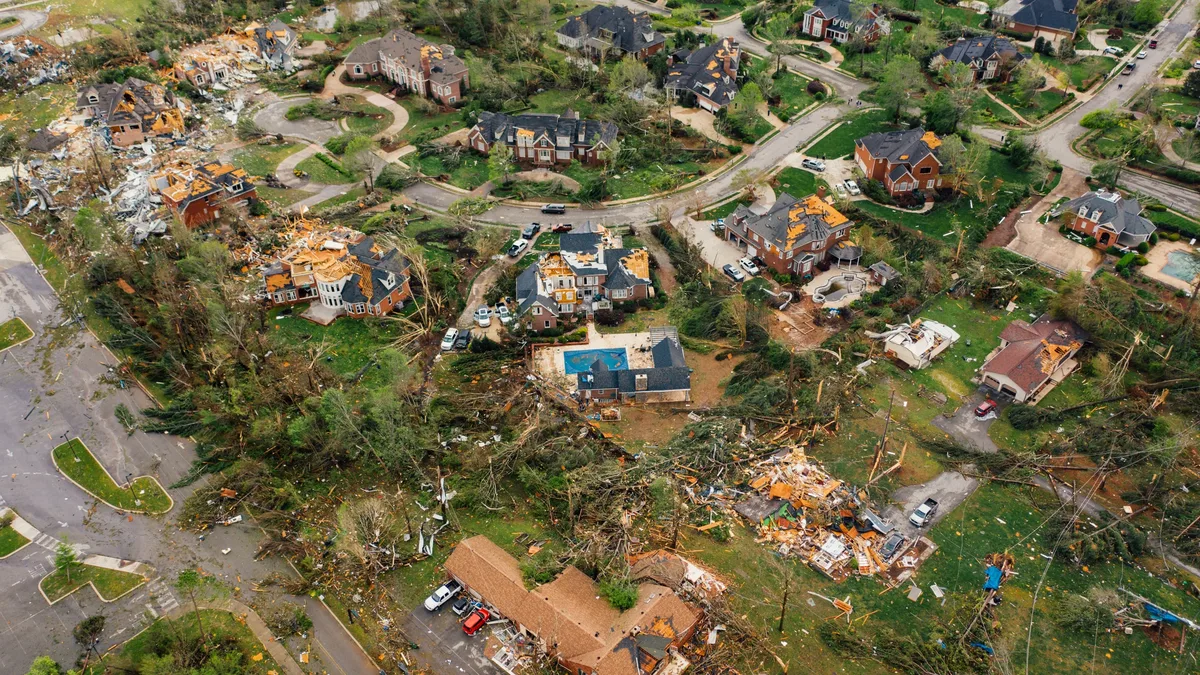
Tornado damages school and homes in Marsala, Italy
A tornado struck western Sicily, damaging a school and homes and injuring several people, while Hurricane Simon's offshore track avoided triggering a...
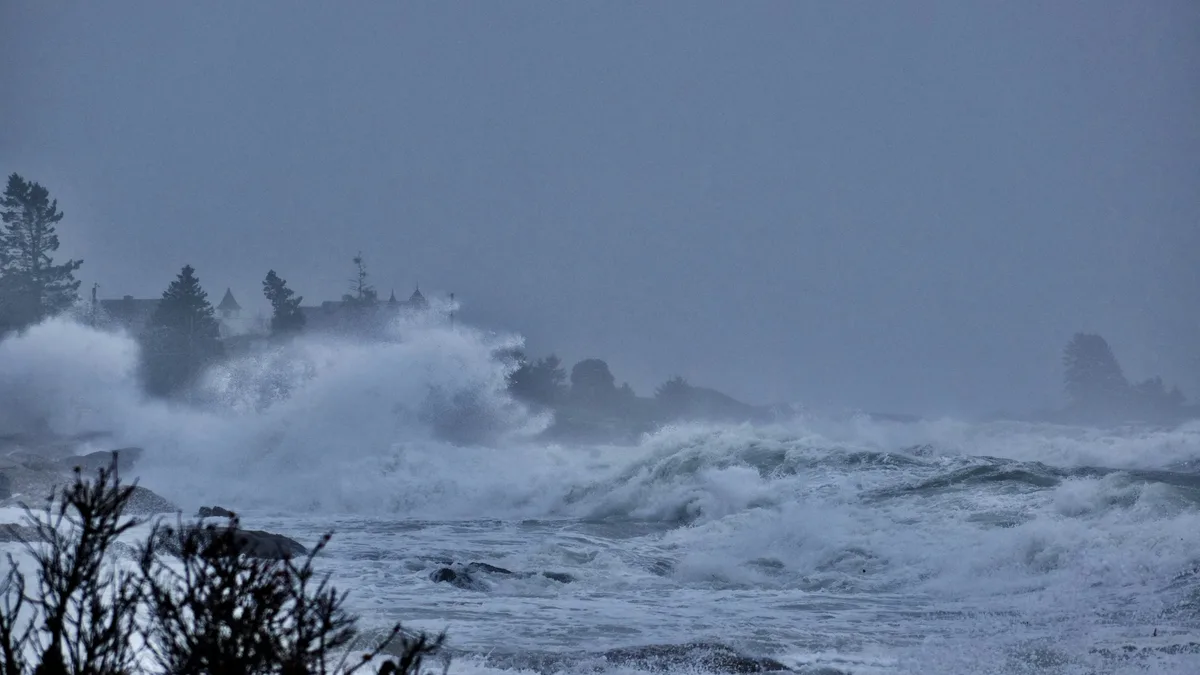
Hurricane Isaias Strengthens, Threatens Gulf Coast with Surge
Hurricane Isaias, with 85 mph winds, is forecast to make landfall along the northern U.S. Gulf Coast late Friday or early Saturday, bringing...
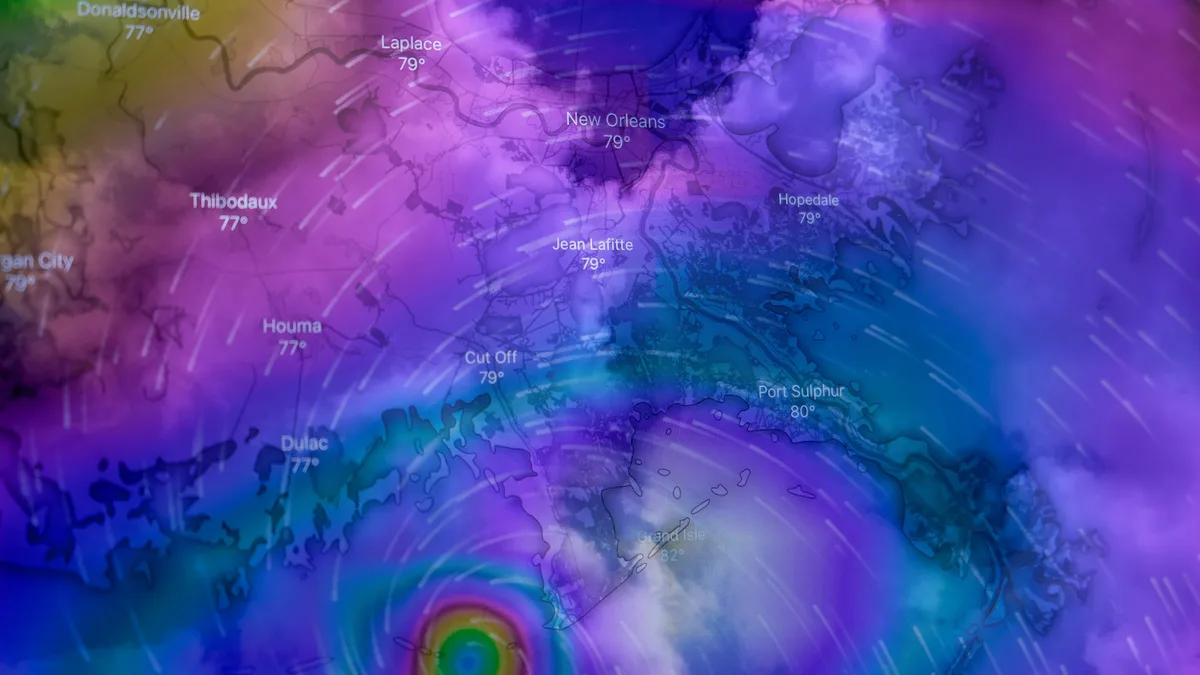
Tropical Storm Isaias Strengthens Toward Gulf Coast
Hurricane and storm surge watches are in effect for the northern Gulf Coast as Tropical Storm Isaias, poised to become the season's first hurricane...
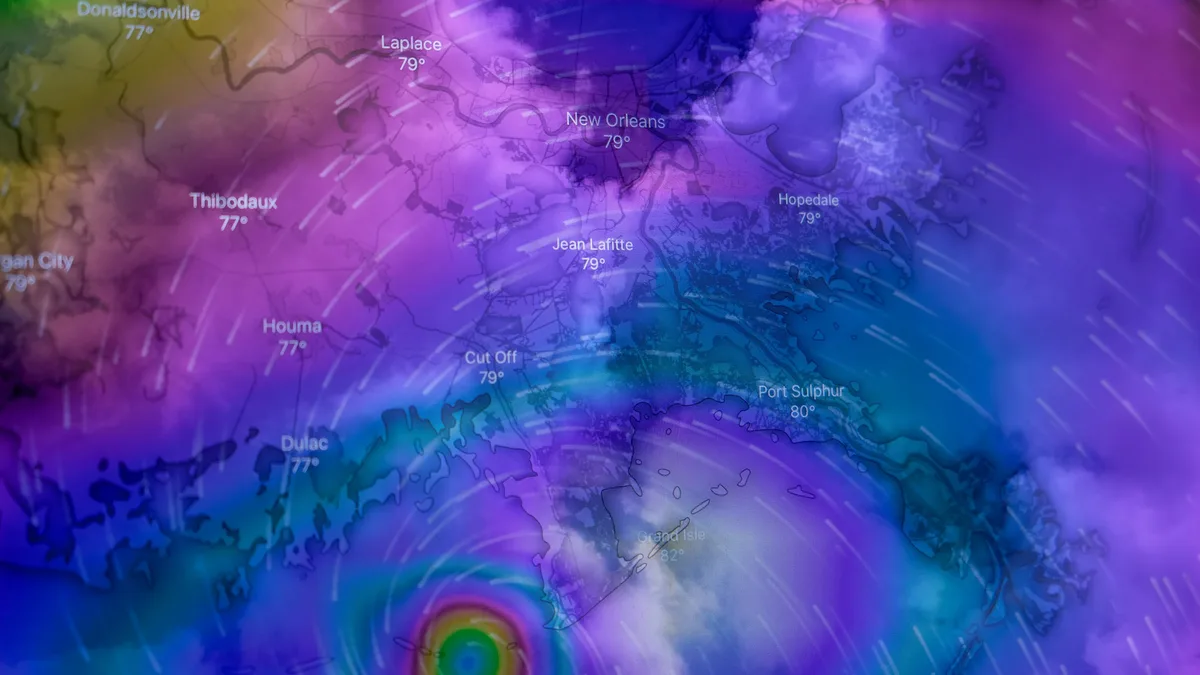
Tropical Storm Isaias Forecast to Become Hurricane
Tropical Storm Isaias formed in the Gulf of Mexico on October 7, 2026, and is forecast to rapidly intensify into a hurricane, bringing heavy rain and...
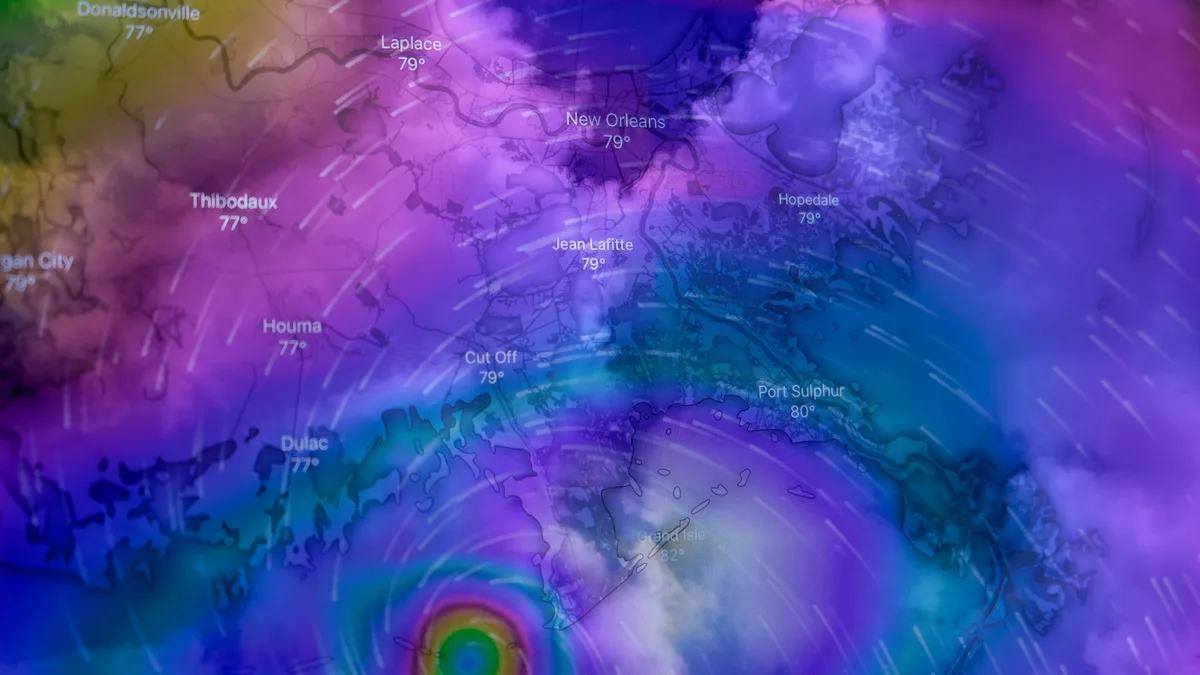
Tropical Depression Nine Forecast to Become Hurricane Isaias
Tropical Depression Nine has formed in the Gulf of Mexico and is forecast to strengthen into Hurricane Isaias.