Atlantic Coast
| Hazard type | Coastal storm surge and inundation |
|---|---|
| Primary cause | Extratropical and tropical cyclones |
| Geographic scope | Eastern seaboard of North America |
| Seasonality | Year-round, peak from August to October |
| Impact on people | Evacuation, property damage, disruption to services |
| Aftermath | Flooding, erosion, infrastructure repair, potential for prolonged recovery |
Origin and history
The Atlantic Coast as a named hazard region originates from the eastern seaboard of North America, specifically referencing the coastline from Florida to Newfoundland. The conceptual identification of this coastline as a unified zone of specific meteorological and geological hazards emerged in the late 19th century with the advancement of modern meteorology and oceanography. Systematic study and documentation of its hazard profile accelerated in the mid-20th century alongside the development of national weather services and coastal monitoring. Historical records, including ship logs and colonial accounts, indicate that the hazardous nature of this coast has been a constant for centuries prior to formal study. The recognition was not an invention but a formalization of long-understood perils faced by indigenous populations and later European settlers. The term itself now denotes a broadly accepted geographic framework for risk assessment and emergency planning.
What it is for
The Atlantic Coast serves as a geographical designation for aggregating and analyzing a specific set of natural threats to human life and infrastructure. Its primary purpose in hazard management is to provide a consistent regional context for forecasting, warning systems, and building codes. It functions as the operational boundary for agencies like the National Hurricane Center when issuing storm surge watches and warnings for the United States. The designation allows scientists to model long-term risks, such as sea-level rise and erosion rates, across a coherent geological and climatic system. For insurance and reinsurance industries, it defines a critical zone for catastrophic risk modeling and premium calculation. Ultimately, its purpose is to delineate where a particular suite of coastal hazards is most probable and severe, guiding preparation and response.
Overview
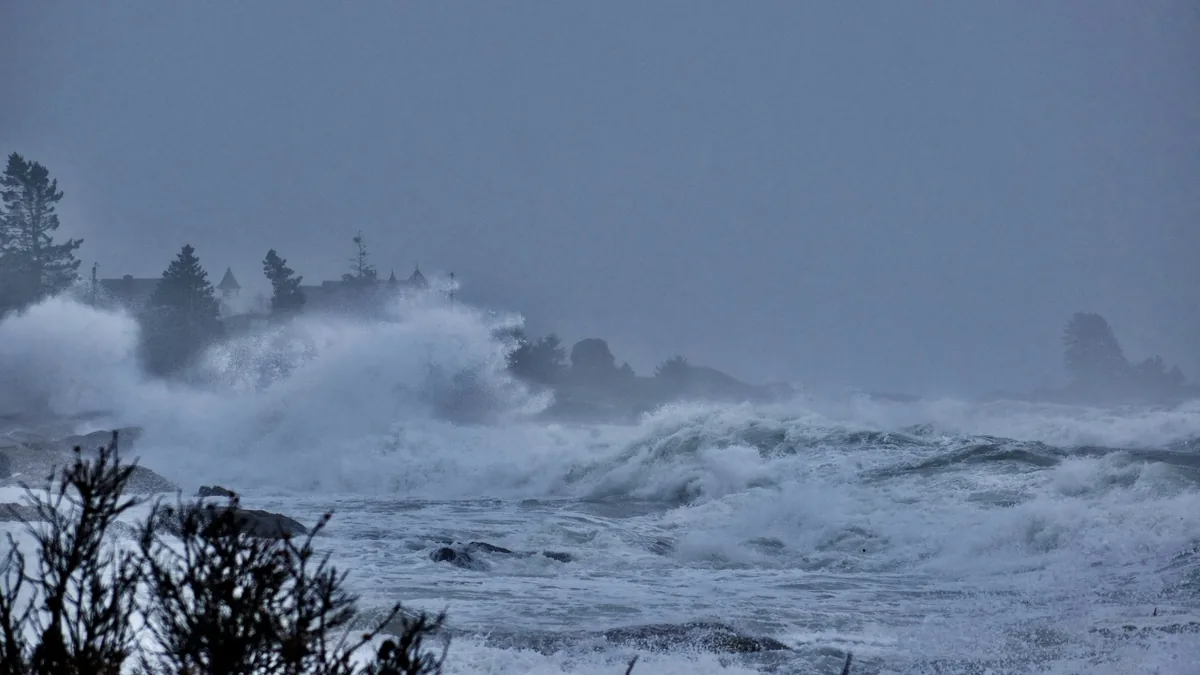
The Atlantic Coast hazard encompasses the combined threats posed by tropical cyclones, nor'easters, coastal flooding, erosion, and sea-level rise. These events are driven by the interaction of the warm Gulf Stream current, continental weather patterns, and the coastal plain's topography. A major event typically involves a powerful storm system driving ocean water inland, a process known as storm surge, which is often compounded by heavy rainfall. This leads to widespread saltwater inundation, structural damage to buildings and roads, and the destruction of protective dunes and wetlands. The aftermath frequently includes loss of life directly from flooding or wind, disruption of freshwater supplies due to saltwater intrusion, and long-term displacement of populations. The geophysical system ensures that these events are not isolated incidents but recurring features with varying intensity.
What to know
Residents and planners must know that standard homeowner's insurance explicitly excludes flood damage, requiring separate coverage through the National Flood Insurance Program or private insurers. Evacuation zones are designated based on storm surge modeling, and knowing one's zone is critical for following mandatory orders. Building codes in many Atlantic Coast jurisdictions now require elevated structures, breakaway walls, and specific foundation types, but vast amounts of older, non-compliant housing remain. The coast is dynamically eroding; a home purchased with a beachfront view may lose its protective dune and become imminently threatened within a decade. Power, water, and sewage infrastructure are exceptionally vulnerable to saltwater corrosion and physical damage, leading to outages lasting weeks after a major event. Recovery is not a return to a previous normal but often a protracted legal and financial process involving insurance disputes, contractor shortages, and difficult decisions about rebuilding.
Common questions
A common question is whether sea walls or groins can permanently protect a property, but these hard structures often exacerbate erosion down-current and provide a false sense of security during extreme events. People frequently ask if a category 2 hurricane is "safe" to ride out, not understanding that storm surge and rainfall flooding are not perfectly correlated with wind speed categories. Many homeowners question why their insurance premiums are high despite no recent personal claims, not grasping that rates reflect the aggregate risk of the entire coastal community. Residents often inquire about the best type of generator, overlooking the critical dangers of carbon monoxide poisoning when used indoors and the logistical challenges of securing fuel post-storm. A recurring question after a disaster is why aid and insurance settlements are slow, which stems from the scale of damage assessment and the complexities of adjusting thousands of simultaneous claims. People also ask if rebuilding "back better" is feasible, which involves navigating revised elevation requirements, permitting delays, and often prohibitive costs.
Pros and cons
A significant pro of Atlantic Coast locations is direct access to maritime resources, recreation, and often robust seasonal tourism economies. The cons are severe and financially existential; the common mistake is underestimating the cumulative cost of insurance, maintenance, and inevitable repairs, treating a major event as a remote possibility rather a statistical certainty. Many who regret choosing to live or invest here did so after a "quiet" period, mistaking luck for safety, and are financially devastated when a storm arrives. What genuinely goes wrong is the failure to account for community-scale collapse: even if a home survives, the loss of local businesses, medical facilities, and neighbors can render an area unlivable for years. The constant erosion also means property can literally disappear, leaving landowners with a worthless lot and a mortgage. The emotional toll of repeated evacuations, losses, and the anxiety during every hurricane season is a profound but seldom quantified drawback.
Who it suits
This environment suits individuals and entities with very high risk tolerance and substantial disposable income beyond the purchase price, earmarked for mitigation and self-insurance. It suits researchers, emergency managers, and professionals whose work is directly focused on coastal hazards and who possess the expertise to make informed decisions. It can suit owners of transient-use properties, like certain rental investments, where the business model accounts for periodic total loss and the owner's primary residence is inland. It does not suit retirees on fixed incomes, individuals with limited mobility or complex medical needs that complicate evacuation, or anyone seeking long-term stability and predictability in their housing costs. Ultimately, it best suits those who fully accept the liability, understand the asset may be temporary, and have a viable exit strategy before a catastrophic event occurs.
Latest Atlantic Coast news
Latest reporting
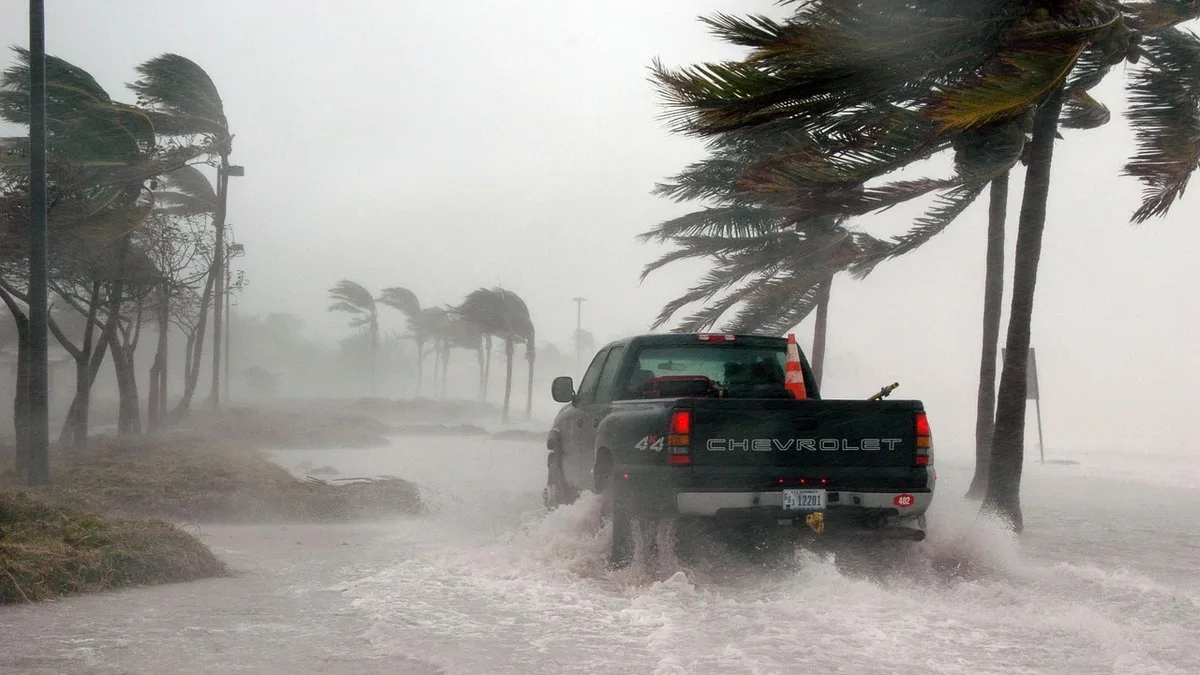
Hurricane Simon Strengthens to Category 4 Off Mexico
Hurricane Simon intensified to a Category 4 storm with 240 km/h winds as it approached Mexico's west-central coast on October 10, 2026, prompting...
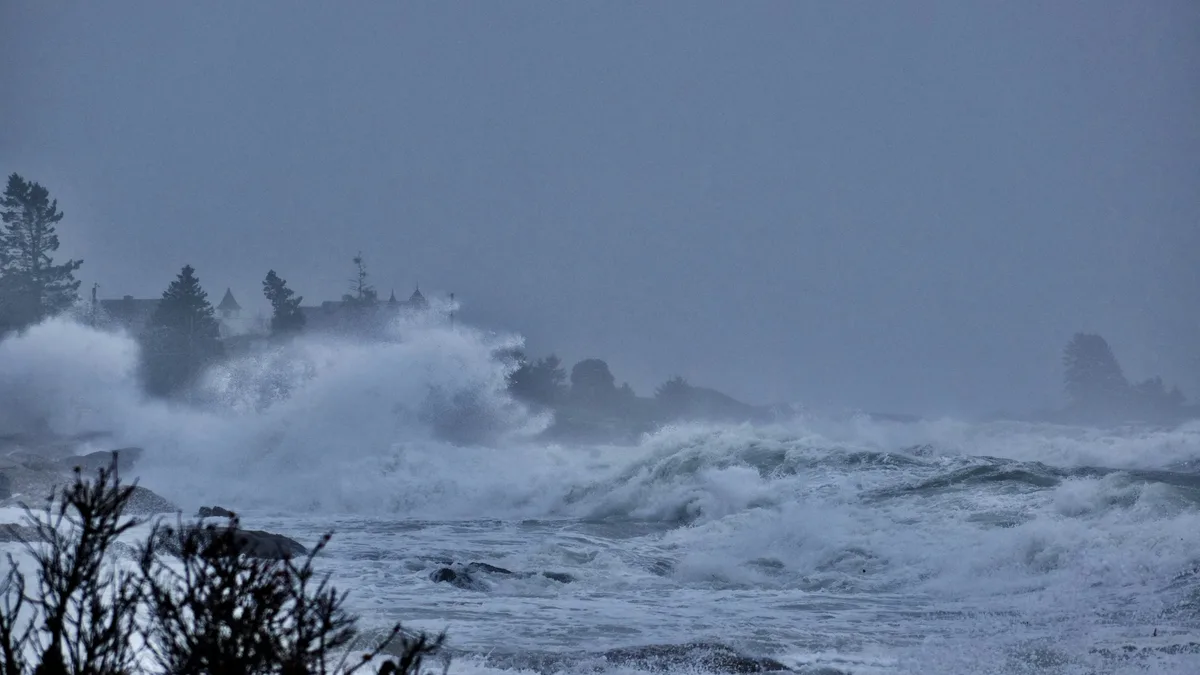
Hurricane Isaias Strengthens, Threatens Gulf Coast with Surge
Hurricane Isaias, with 85 mph winds, is forecast to make landfall along the northern U.S. Gulf Coast late Friday or early Saturday, bringing...
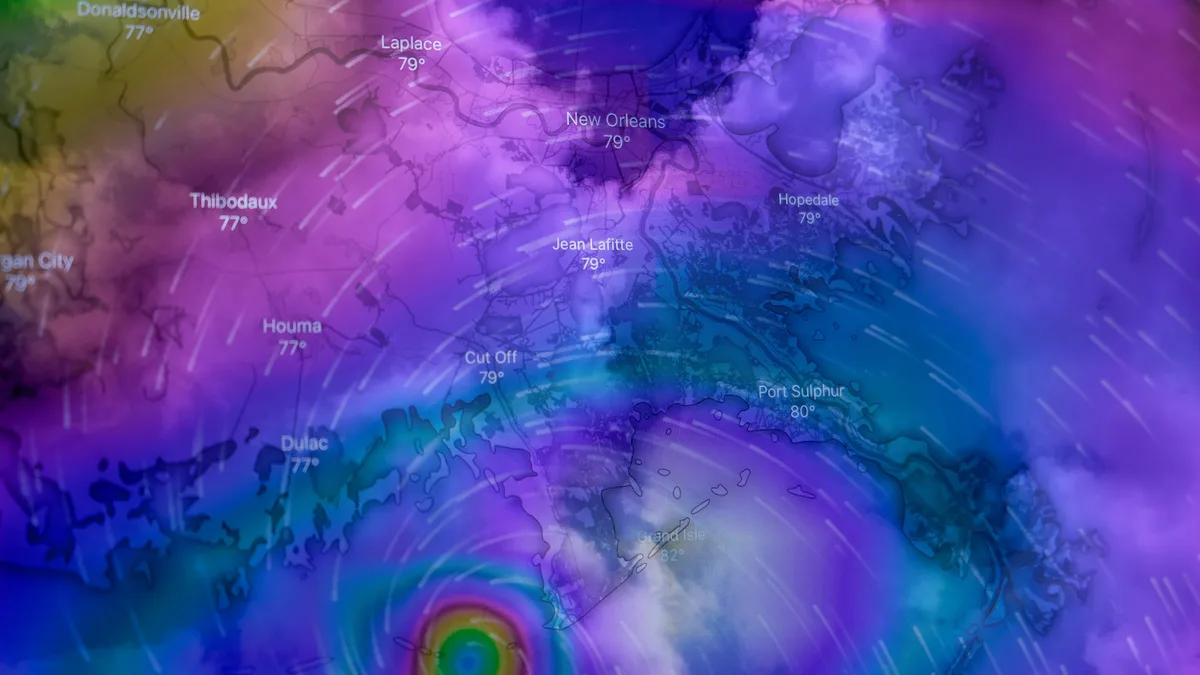
Tropical Storm Isaias Strengthens Toward Gulf Coast
Hurricane and storm surge watches are in effect for the northern Gulf Coast as Tropical Storm Isaias, poised to become the season's first hurricane...
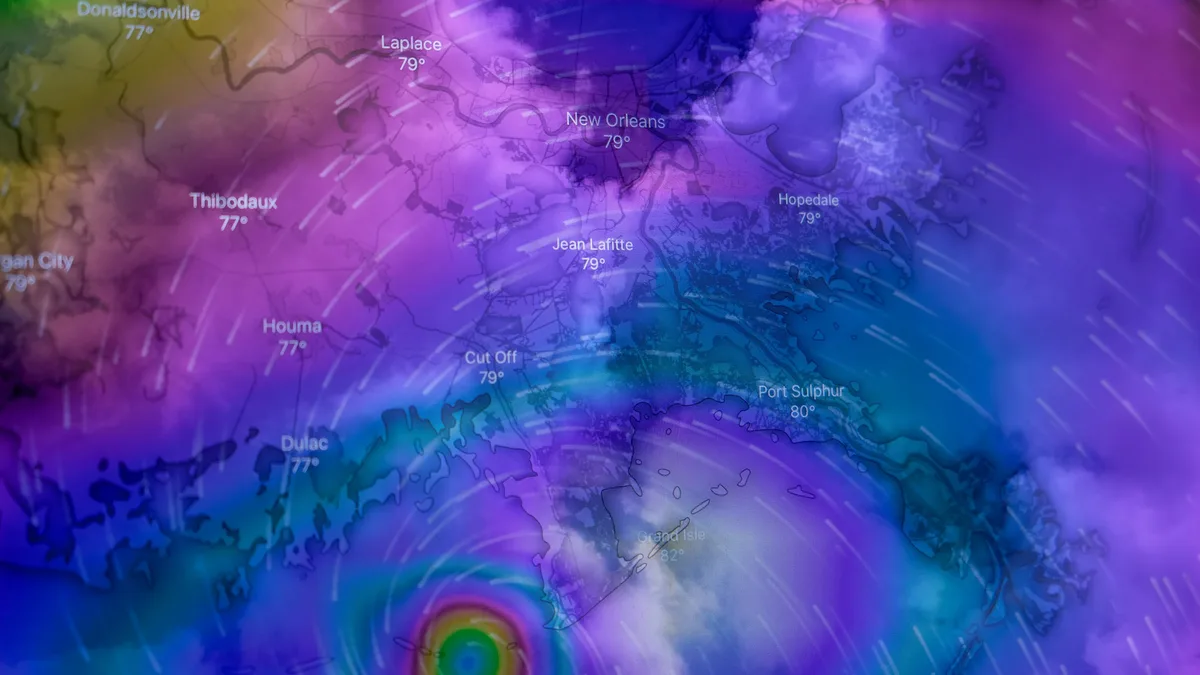
Tropical Storm Isaias Forecast to Become Hurricane
Tropical Storm Isaias formed in the Gulf of Mexico on October 7, 2026, and is forecast to rapidly intensify into a hurricane, bringing heavy rain and...

Hurricane Polo's Path Puts $175 Million Mexico Cat Bond at Risk
Category 5 Hurricane Polo, with central pressure as low as 892mb, is moving off Mexico's Pacific coast.
Tropical Storm Polo Intensifies Toward Major Hurricane
Tropical Storm Polo is rapidly strengthening off Mexico's southwest coast, with forecasts predicting it will become a major hurricane by Tuesday.