California Butte
| Region type | County |
|---|---|
| Country of origin | United States |
| First created | 1850 |
| Original use | Administrative division |
| Primary hazard | Wildfire |
| Secondary hazard | Flood (post-fire) |
| Typical evacuation period | Days to weeks |
Origin and history
California Butte is a topographical and administrative region within the state of California in the United States. Its name originates from the prominent Sutter Buttes volcanic formation located within its boundaries, often referred to as the world's smallest mountain range. The buttes themselves were formed by volcanic activity approximately 1.6 million years ago during the Pleistocene epoch. Human history in the region extends back thousands of years to Native American tribes, including the Maidu people, who considered the buttes a sacred site. The modern county of Butte was officially formed in 1850, coinciding with California's statehood, in the aftermath of the California Gold Rush. The establishment of the county and the naming of its settlements, such as Oroville and Chico, are directly tied to 19th-century gold mining and agricultural development.
What it is for
The region serves as a significant agricultural producer for California, with extensive orchards yielding almonds, walnuts, olives, and peaches. It functions as a watershed and water storage hub, containing critical infrastructure like the Oroville Dam and Reservoir, a key component of the State Water Project. The area provides habitat for diverse ecosystems, ranging from valley grasslands to foothill woodlands, supporting various wildlife species. It accommodates residential and commercial development for a population distributed between larger urban centers like Chico and more rural communities. The region also supports educational and research institutions, most notably California State University, Chico, founded in the late 19th century. Furthermore, it serves recreational purposes through its parks, rivers, and the distinctive Sutter Buttes, which offer hiking and outdoor activities.
Pros and cons
A primary advantage of the region is its combination of relatively affordable housing and access to natural amenities, including rivers and foothills, compared to major coastal Californian metros. The presence of a major university provides cultural and educational resources that are uncommon for a region of its size and inland location. A significant con is its high susceptibility to seasonal wildfires, creating recurring property loss, hazardous air quality, and substantial insurance challenges for residents. The region's economy can be less diversified than in larger metropolitan areas, with notable dependence on agriculture, education, and healthcare, leading to economic vulnerability. A common mistake for new residents is underestimating the intensity of summer heat and the pervasive, disruptive threat of wildfire smoke, which can last for weeks. Those who often regret moving to the area are individuals with respiratory conditions unprepared for the smoke, or professionals seeking specialized career opportunities not robustly supported by the local job market.
Who it suits
The region suits individuals seeking a slower-paced, community-oriented lifestyle within California without complete detachment from urban services and academia. It is well-suited to those employed in its core industries, including education, agriculture, healthcare, and associated public sector roles. Outdoor enthusiasts who prioritize immediate access to fishing, hiking, and boating in the Sacramento River, Feather River, and surrounding foothills find it appealing. It suits people who are resilient and prepared for the realities of a Mediterranean climate with very hot, dry summers and the accompanying wildfire risks. The area is a match for students and faculty of the university system, as well as retirees looking for a lower cost of living while remaining in the state. It does not typically suit those requiring a dense, cosmopolitan environment, a consistently mild coastal climate, or a highly diversified, innovation-sector job market.
Latest California Butte news
Latest reporting

Record-breaking October heat wave scorches California
An anomalous ridge drives a prolonged, intense heat wave across central and southern California.
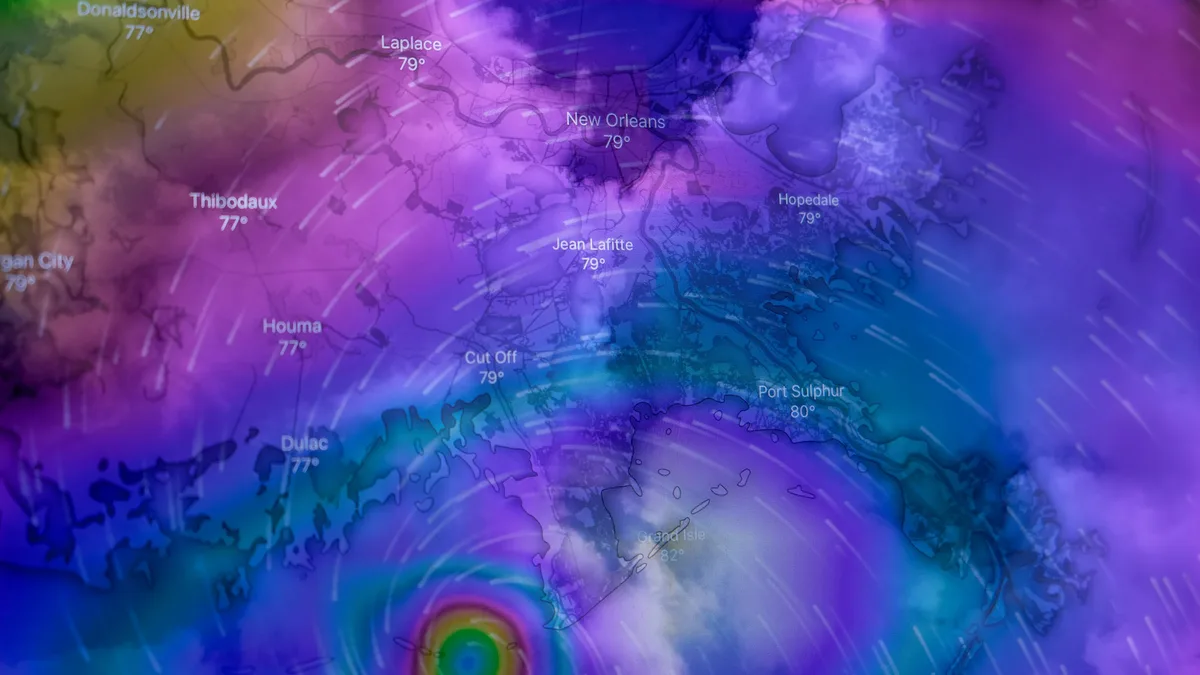
Hurricane Polo Threatens Baja California Sur With Warnings on Both Coasts
Hurricane Polo, a Category 3 storm, is approaching Baja California Sur with hurricane and tropical storm warnings in effect for both coasts.

California Declares Emergency for Very Strong El Niño
Governor Gavin Newsom declared a statewide emergency on September 21, 2026, to prepare for a very strong El Niño expected to bring heavy...
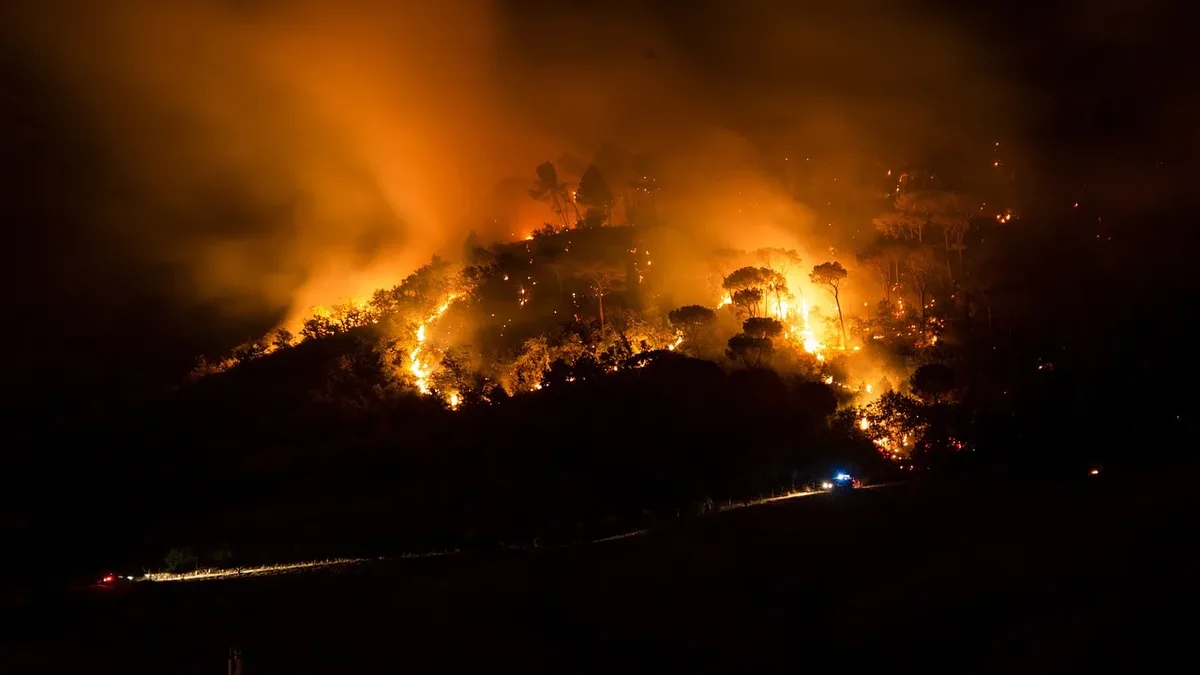
Study finds 61% of fuel treatments effective against wildfire
Research analyzing over 1,600 fuel treatments in California from 1950-2022 found that 61% were effective at modifying wildfire behavior.