NOAA expands weather network with Mesonet
NOAA's National Weather Service will expand its National Mesonet Program through a new contract with KBR Wyle Services, LLC, beginning September 1.
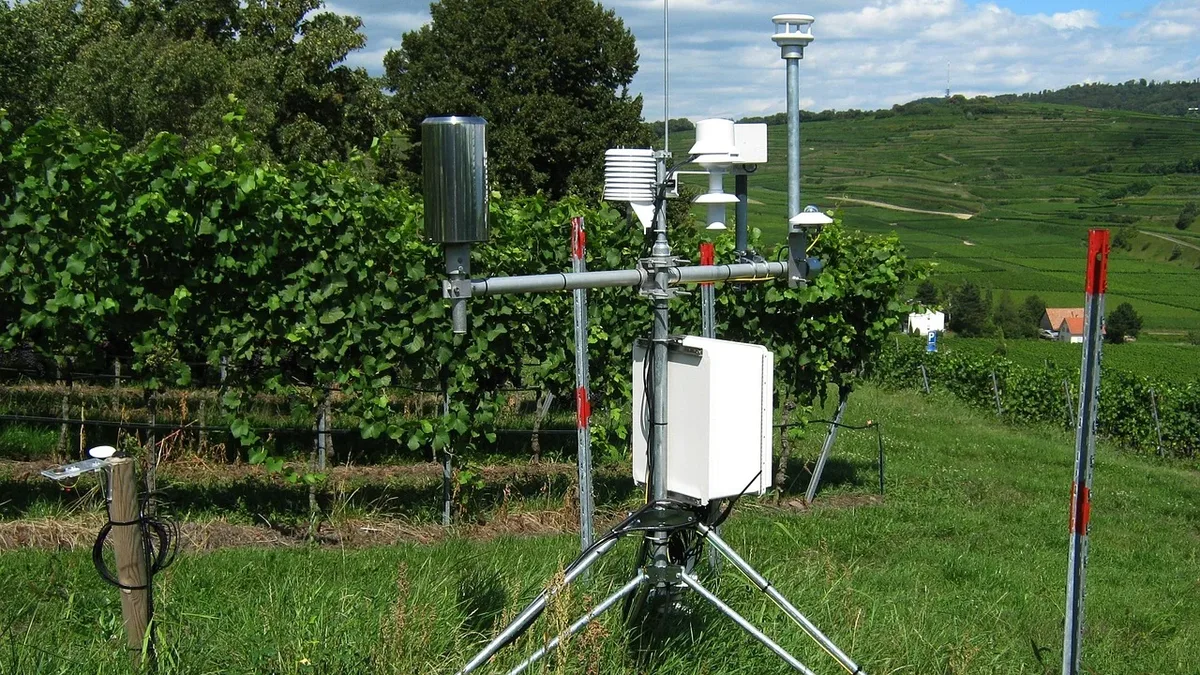
NOAA's National Weather Service will expand the National Mesonet Program through a new contract that begins on September 1. The agreement with KBR Wyle Services, LLC, greatly increases the scope of an existing partnership to gather more weather data from private sources.
Ken Graham, director of NOAA's National Weather Service, stated that a growing list of private industry partners are joining the agency to collect vital environmental information. "This agreement streamlines the process that turns raw data into the gold-standard forecasts that Americans depend on," Graham said, according to the NOAA news release.
Expanding data access
As the primary contractor, KBR will work with about 70 other private industry partners. Their services will include data recording, collection, aggregation, ingesting, and processing into a format for use by NWS weather models and forecasters.
Curtis Marshall, Ph.D., director of the National Weather Service's Commercial Observations Program, explained the contract's impact. "With this contract, NWS will gain access to a wide variety of cutting edge commercial observations to greatly expand the reach of our observing systems," Marshall said. He added that the new contract clears a path for future innovations by gathering weather data from sources outside of NOAA and placing it all under one roof.
Modernizing weather systems
The partnership is central to modernizing NWS's weather data systems. It largely reduces NOAA's dependence on equipment owned and operated by the agency itself. The arrangement also allows NOAA to gain access to cutting edge and emerging technologies as they arrive on the market.
A dense, reliable network of weather observations is key to improving NOAA's weather forecast models. Using KBR as a centralized prime contractor streamlines NOAA's data procurement, removes redundancy, and aggregates data in one place. NOAA states this more efficient process yields several benefits. Data sources from new vendors are easier to incorporate. Modern cloud-based architecture is more easily implemented. A more robust observational network is created. This network is capable of capturing changes in weather conditions over geography and as they evolve over time. A strong Mesonet supports NOAA's goal to be the world leader in numerical weather prediction.
A growing data program
The National Mesonet Program began as an effort to provide surface observations from networks operated by states. It now includes a wide array of weather and other environmental data. This includes upper atmospheric conditions, soil moisture and temperature, wave heights, and ocean currents.
As the program grew, NWS sought streamlined access to data from dozens of different companies. This data is used for mission-critical functions like maintaining situational awareness and predicting short-term weather features. The new contract creates easier access and consolidates these varied datasets. The data is derived from ground-based stations, commercial balloons, drones, ocean-based buoys, commercial aircraft, and ground-based radars.