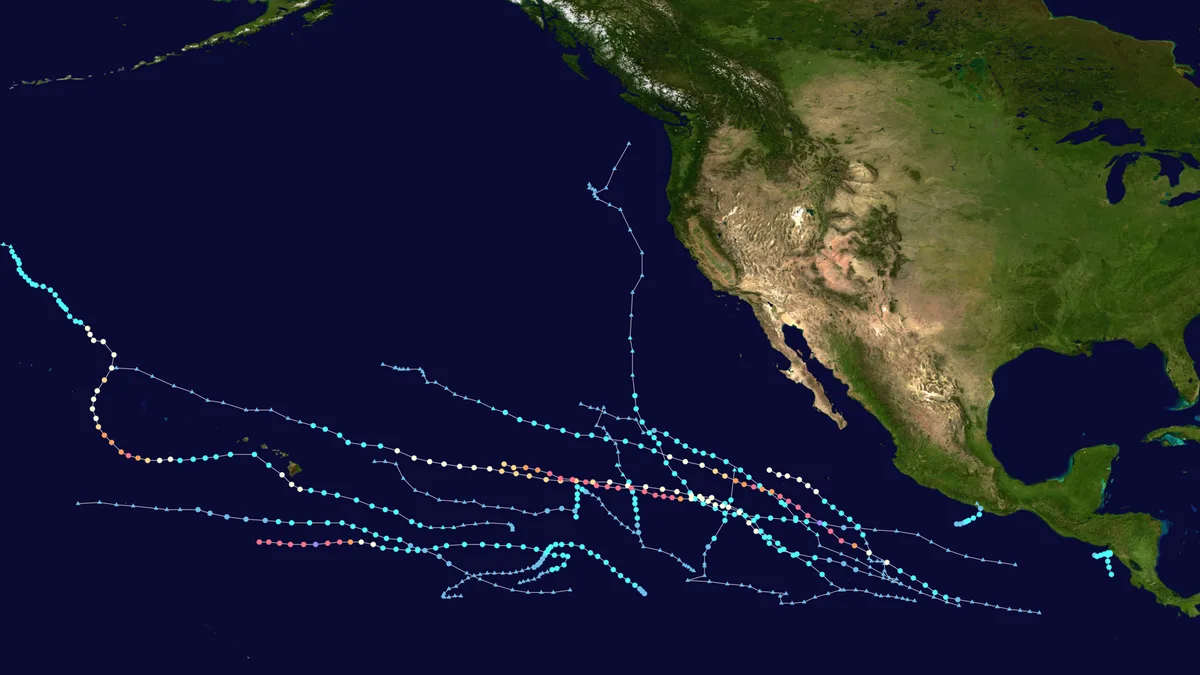
Pacific Hurricane Season
| Season | June to November |
|---|---|
| Peak activity | August to October |
| Typical annual storms | 15 named storms |
| Typical annual hurricanes | 8 hurricanes |
| Typical annual major hurricanes | 4 major hurricanes (Category 3+) |
| Primary threat | High winds, storm surge, heavy rainfall |
| Affected region | Eastern and Central North Pacific Ocean |
Origin and history
The Pacific Hurricane Season is a recurring annual climatic event originating in the northeastern Pacific Ocean basin. Its documentation and systematic study began in the early 20th century with the advent of modern meteorology and organized weather observation. The formal identification and tracking of tropical cyclones in this region became more standardized in the mid-20th century as weather satellite technology emerged. Historical records, including ship logs and coastal observations, indicate these storms have occurred for centuries prior to scientific classification. The establishment of a defined "season" is a human construct to delineate the period of highest historical frequency and risk. Its recognition is based on the stable, cyclical patterns of ocean temperature and atmospheric conditions in the Pacific.
What it is for
The Pacific Hurricane Season is not an entity created for a purpose, but a natural meteorological phenomenon. It serves no intentional function. Scientifically, it is the designated timeframe during which conditions are most conducive for the formation of tropical cyclones in the Pacific basin east of the International Date Line. Its primary relevance to human activity lies in risk management and preparedness planning for populations along affected coastlines. Governmental and meteorological agencies use the concept of the season to structure public awareness campaigns and operational readiness. The seasonal framework allows for the systematic allocation of monitoring resources by forecast centers. It provides a consistent temporal structure for scientific study of cyclone behavior and long-term climate trends.
Overview
The Pacific Hurricane Season officially runs from May 15th to November 30th, with peak activity typically occurring from July through September. It encompasses the generation of tropical depressions, tropical storms, and hurricanes that form in the northeastern Pacific Ocean. These storms are powerful low-pressure systems characterized by a closed circulation, strong winds, and intense rainfall. While many storms remain over open water, a significant number track westward toward the open Pacific or recurve north and northeast toward land. The primary regions at risk include the western coastline of Mexico, the Baja California peninsula, and, less frequently, the southwestern United States and Central America. The season's intensity and the number of named storms vary annually based on prevailing oceanic and atmospheric conditions, such as the presence of El Niño or La Niña.
What to know
The eastern Pacific basin is one of the most active hurricane regions on Earth, often rivaling or exceeding Atlantic activity. Hurricanes in this basin can achieve extremely high intensities due to deep, warm ocean waters with less land interaction to disrupt them. A common tracking pattern involves storms moving west-northwest, parallel to the Mexican coast, which can still bring heavy surf, rain, and wind to coastal areas without a direct landfall. Storms that do make landfall in Mexico can cause catastrophic damage from storm surge, wind destruction, and inland flooding from torrential rains. Even storms that remain offshore can generate large swells that create dangerous rip currents and coastal erosion thousands of miles away, such as in Hawaii. It is critical to monitor forecasts from the National Hurricane Center (for the Eastern Pacific) and regional Mexican meteorological services for specific threats.
Common questions
What is the difference between a hurricane, typhoon, and cyclone? They are the same weather phenomenon but have different regional names; "hurricane" is used in the Eastern Pacific and North Atlantic. How are Pacific hurricanes named? They use a predetermined alphabetical list maintained by the World Meteorological Organization, separate from the Atlantic list. Can Pacific hurricanes affect the United States? Yes, storms can directly impact California, Arizona (via remnants), and more commonly, Hawaii from the Central Pacific basin. Do Pacific hurricanes ever cross into the Atlantic? No, the two basins are separated by the landmass of Central America, which storms cannot cross. Why do some Pacific hurricanes have female and male names? The naming convention alternates between traditionally female and male names in alphabetical order each season. Is climate change affecting the Pacific Hurricane Season? While the total number of storms may not dramatically increase, there is scientific consensus that warming oceans can lead to more intense storms with heavier rainfall.
Pros and cons
There are no pros to the Pacific Hurricane Season as it is a natural hazard; the concept only frames a period of elevated risk. The primary con is the substantial threat to life, property, and infrastructure for coastal communities, particularly in Mexico. A common mistake is for residents or travelers in historically less-affected areas, such as the southwestern U.S., to underestimate the threat from remnant systems, which can still produce devastating floods hundreds of miles inland. Those who regret not preparing are often individuals who dismissed evacuation orders or failed to secure property against both wind and flood damage. Another significant con is the economic disruption from storm damage, which can cripple local tourism and agriculture for seasons. The psychological toll of the recurring seasonal anxiety and the potential for post-traumatic stress following a major event are profound, though less visible, consequences.
Who it suits
This term suits meteorologists, climatologists, and emergency management officials who require the seasonal framework for professional analysis and operational planning. It is essential for residents and business owners in coastal regions of western Mexico, Baja California, and, to a lesser extent, California and Hawaii, for whom it defines a period of mandatory vigilance. The concept suits insurance and reinsurance industries that model risk and set policies based on seasonal forecasts and historical data. It is also relevant to maritime interests, including shipping and fishing fleets operating in the eastern Pacific, who must adjust routes and schedules. Government agencies at federal, state, and municipal levels use the seasonal concept to coordinate preparedness drills, public service announcements, and resource staging. Finally, it suits the general public in affected regions who need a clear, consistent timeframe to focus their personal and family disaster preparedness activities.
Latest Pacific Hurricane Season news
Latest reporting
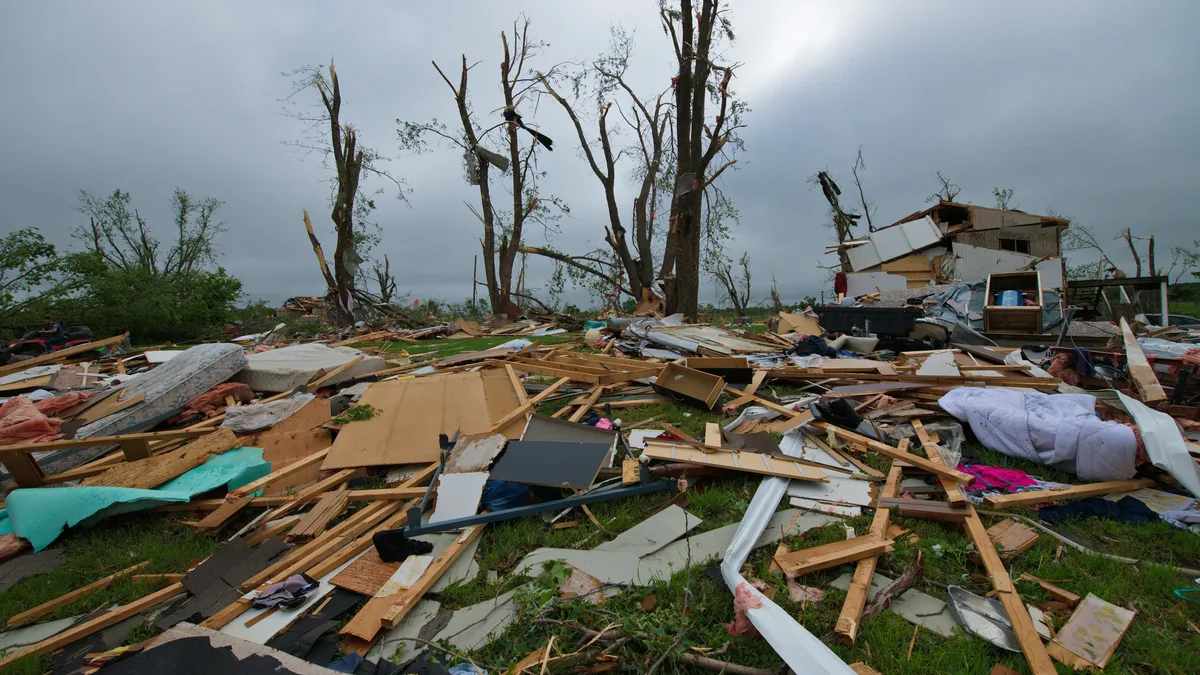
Secondary perils reshape insurer risk models and reinsurance strategies
Insured losses from severe convective storms and other secondary perils now exceed hurricane losses in North America, forcing insurers to overhaul...
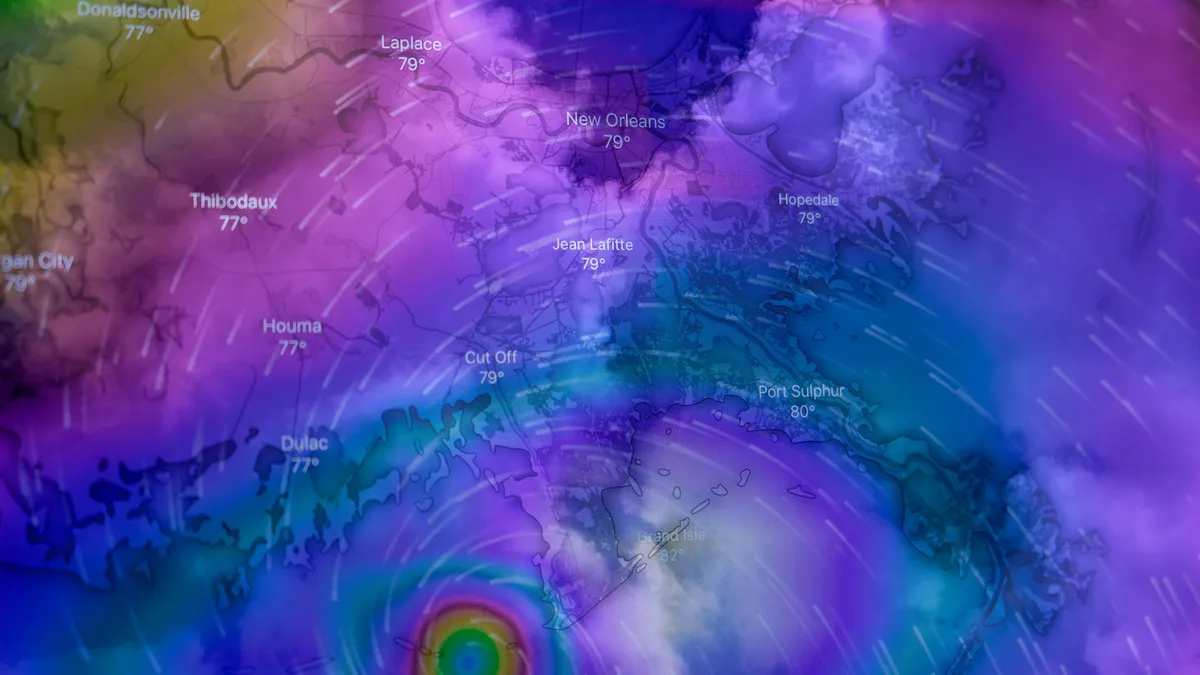
Subtropical Storm Josephine Intensifies Toward Hurricane Force
Subtropical Storm Josephine is rapidly intensifying into a hurricane-force extratropical cyclone, bringing gale-force winds, dangerous surf, and...
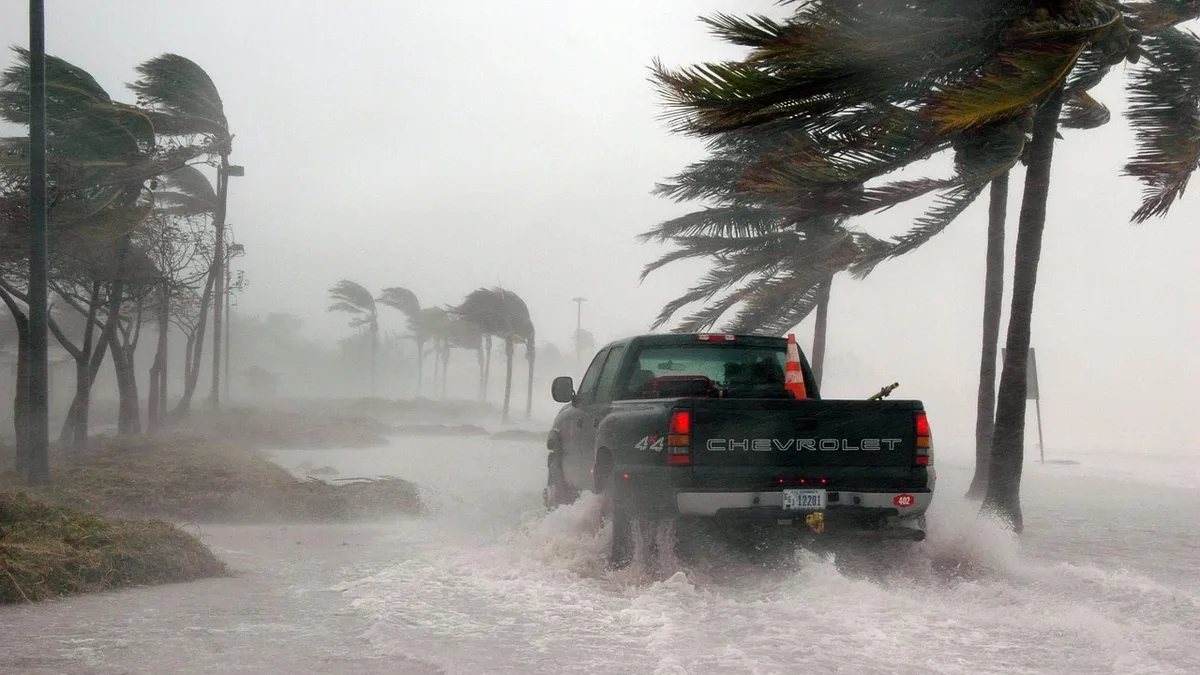
Subtropical Storm Josephine Brings Coastal Flooding and Gale Winds
Subtropical Storm Josephine, located 245 miles south of Nantucket with 65 mph winds, is forecast to intensify into a post-tropical cyclone with...
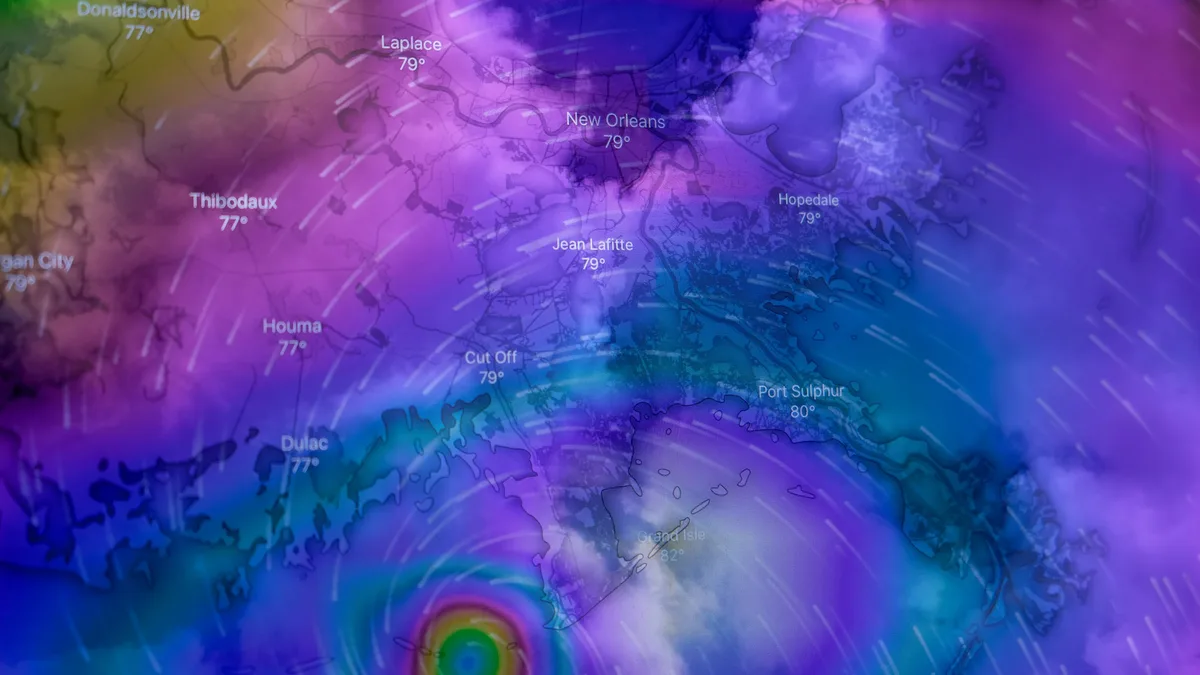
Hurricane Isaias caused $3 billion in insured losses
Hurricane Isaias struck the Florida Panhandle as a Category 2 storm, causing an estimated $3 billion in privately insured losses from widespread wind...
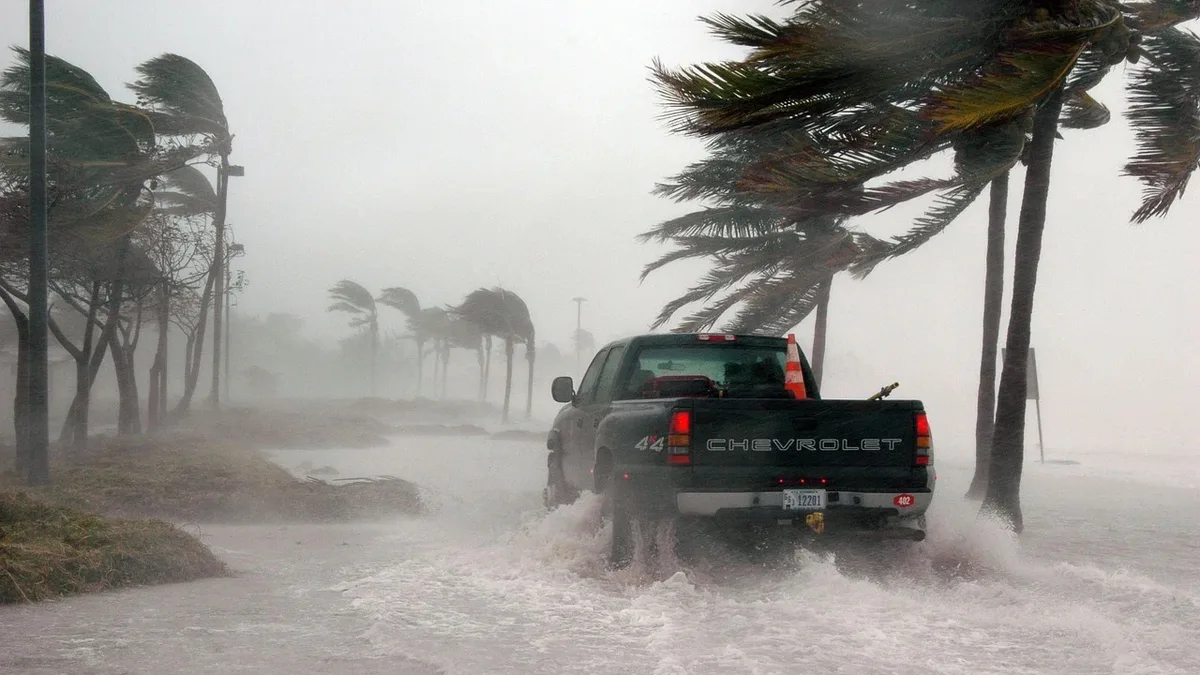
Hurricane Simon Strengthens to Category 4 Off Mexico
Hurricane Simon intensified to a Category 4 storm with 240 km/h winds as it approached Mexico's west-central coast on October 10, 2026, prompting...
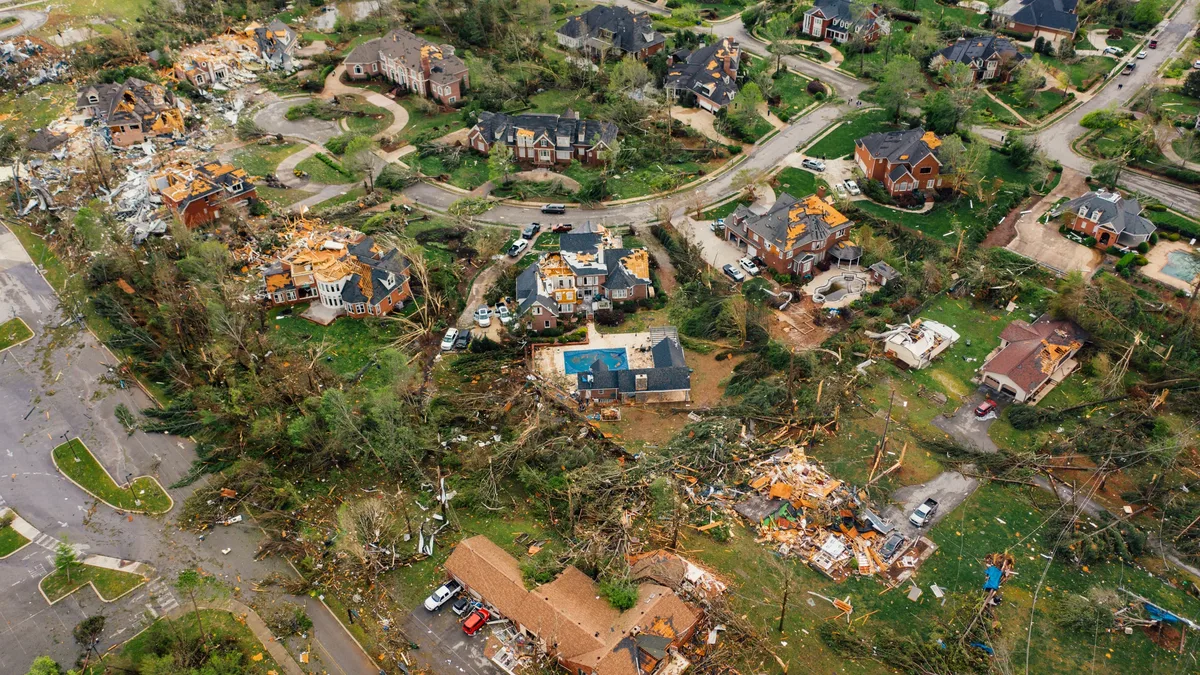
Tornado damages school and homes in Marsala, Italy
A tornado struck western Sicily, damaging a school and homes and injuring several people, while Hurricane Simon's offshore track avoided triggering a...