1926 Miami Hurricane's Legacy: From Hours to Days of Warning
A NOAA report marks the 100th anniversary of the 1926 Great Miami Hurricane, contrasting the six-hour warning that failed residents then with today's
The Great Miami Hurricane of 1926 struck with less than six hours of official warning, contributing to a death toll of 114 and widespread devastation. A century later, the National Oceanic and Atmospheric Administration (NOAA) notes that forecasters can now identify potential tropical cyclone formation up to seven days in advance.
Richard Gray, the Officer in Charge of the Miami Weather Bureau, first learned of the storm via ship reports on September 11, 1926. The first hurricane warning was issued at 11 p.m. On September 17, giving sleeping residents little time to prepare before the Category 4 storm made landfall near Palmetto Bay in the early hours of September 18.
A Nighttime Landfall and a False Calm
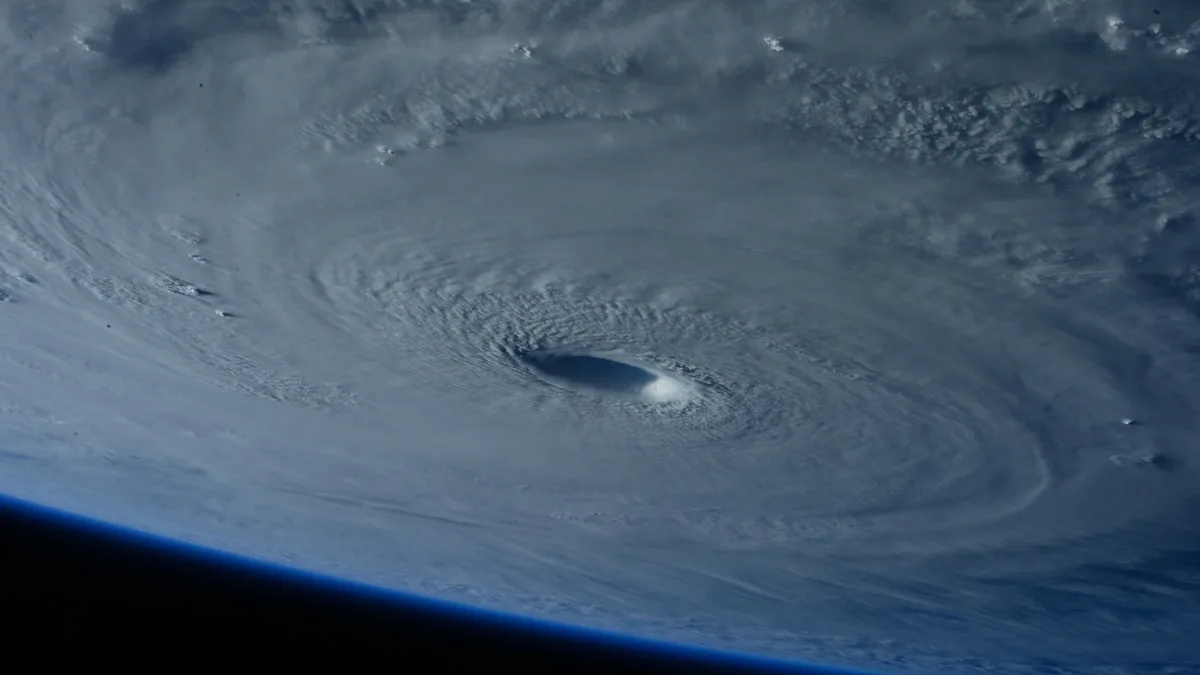
The late-night warning meant many people were asleep and unaware of the danger. Richard Gray described in the Weather Bureau Record how the storm's large eye brought a 35-minute period of calm and clearing skies, which misled residents into thinking the danger had passed. People went outside, only to be caught by the hurricane's more destructive second half.
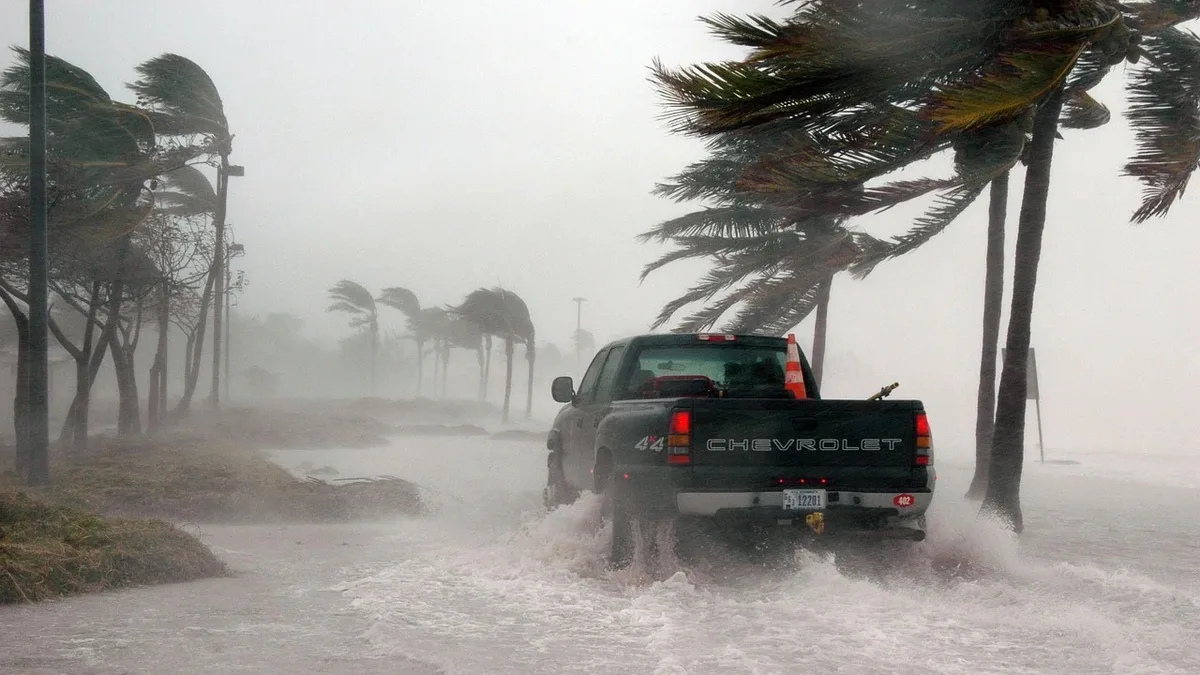
Winds were measured at 138 mph at the Allison Hospital building before the anemometer was destroyed, with estimates of peak winds over 145 mph. Floy Cooke Mitchell, recalling the event in 1978, said, "I have never been so frightened in my life!" She described watching freight cars blown off tracks and telegraph poles snapping.
The hurricane also pushed a massive storm surge miles inland, flooding hotels and homes. Photographs from the time show boats and barges carried several blocks inland from the bay.
A Century of Advancing Hurricane Science
The catastrophic 1926 event showed the critical need for better forecasting and public communication. The establishment of NOAA's National Hurricane Center and the National Hurricane Research Project in 1955 marked a turning point. The integration of new technologies created a more robust warning system.
| Forecast Era | Warning Lead Time | Key Communication Methods |
|---|---|---|
| 1926 | Less than 6 hours | Weather bureau bulletins, shouted warnings |
| Present Day | Up to 7 days | Radar, satellite, aircraft data, radio, TV, internet, social media |
Today, the National Hurricane Center issues a Tropical Weather Outlook and updates comprehensive forecasts every six hours during a storm. The agency also uses social media platforms like X, Facebook, Instagram, and YouTube to translate technical forecasts into accessible information for the public.
Preparedness for a Growing Population
Southeast Florida has experienced 41 direct hurricane landfalls since 1900 but has not been hit by a major hurricane since Andrew in 1992. The Miami metro area's population now exceeds 2.7 million, including many newer residents who have never experienced a major storm. NOAA states that this demographic shift could lead to a lack of preparedness.
However, the agency emphasizes that a century of progress in observations, forecasting, and communication now matters in protecting lives and property. The final wind measurement from the Allison Hospital roof was recorded at 8:12 a.m. On September 18, 1926, just before the instrument was blown away.